Shorts
Islam establishes four fundamental pillars of faith and practice. Two are related to belief – the declaration of faith – and two are acts of worship: prayer and fasting, which are obligatory for all Muslims regardless of wealth or status. Zakat is required of those with financial means, while pilgrimage to Mecca is an obligation for those who possess the ability to undertake it. This lecture clarifies the scope and requirements of each pillar, differentiating between universally mandated acts and those dependent on individual capacity.

77
This lecture addresses the complex situation when parental demands conflict with divine commands in Islam. It clarifies that while parents hold a significant position of respect and obedience immediately after God, God’s commands take precedence. The speaker emphasizes that a son or daughter should respectfully but firmly explain their limitations, drawing parallels to the example of Prophet Ibrahim (Abraham), and avoid yielding to demands that involve disobedience to God. Maintaining respectful communication and soft persuasion are encouraged, but unwavering adherence to God’s commands is paramount.
54
This lecture explores the barriers between humanity and its Creator, emphasizing a reciprocal relationship based on remembrance and gratitude. It asserts that God hears all calls, but responds through acceptance of supplication, contingent upon obedience. The lecture highlights a two-way covenant: remembrance begets remembrance, gratitude invites appreciation, and approaching God leads to divine response. Ultimately, repentance and turning towards God are met with His mercy and acceptance.
65
The speaker asserts that Pakistan remains systemically and politically subservient to non-Islamic forces, questioning the validity of celebrating independence in such circumstances. He contrasts true Islamic observances – Eid al-Fitr and Eid al-Adha – with celebrations he deems extraneous. He emphasizes that freedom is a significant blessing, yet one that has been largely unappreciated. The speaker urges repentance, seeking forgiveness, and dedicating one’s life to establishing Islam within Pakistan as a genuine expression of gratitude to God for the gift of independence.
69
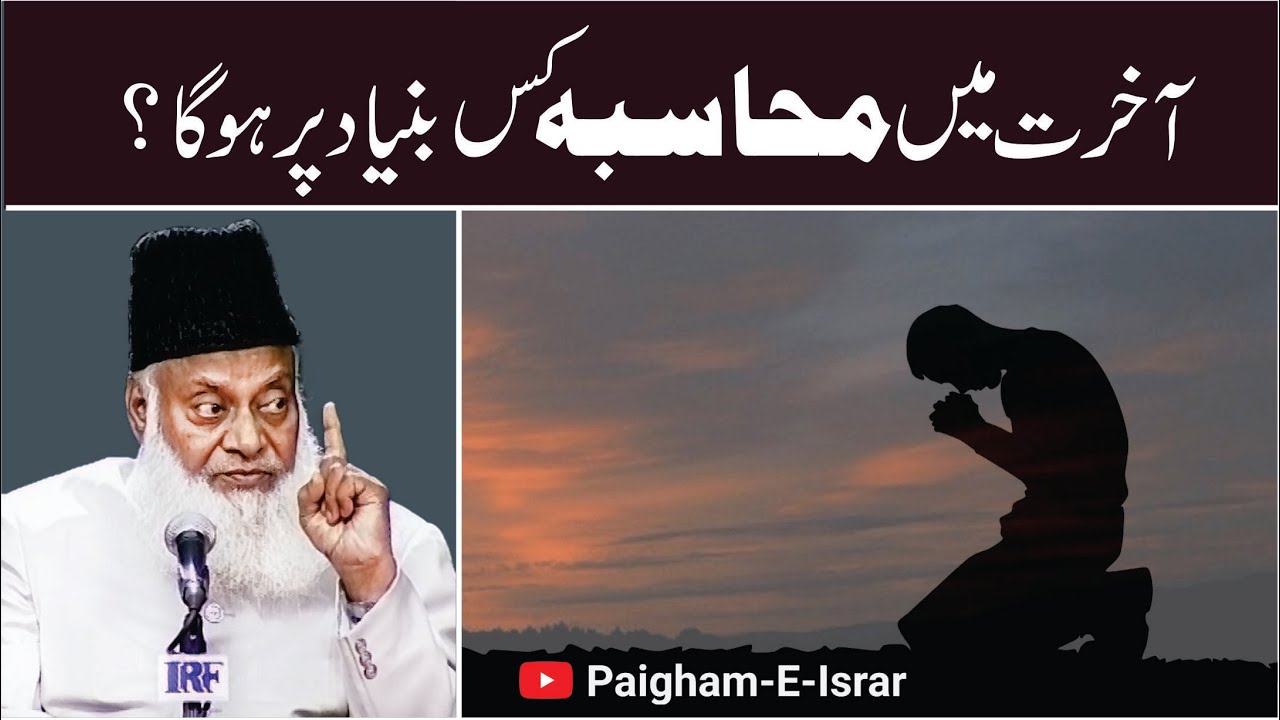
This lecture explains that accountability in the hereafter is based on inherent human faculties: intellect, discernment, the capacity for good and evil, divine knowledge within the soul, and the love of God. Even those who never received a prophetic message will be judged based on these innate qualities. God has provided humanity with the tools for moral reasoning and spiritual awakening, and this internal guidance forms the basis of divine judgment. The sending of prophets and scriptures served to complete the argument and provide clear guidance, making the test of life easier. The soul possesses inherent knowledge of and love for God, which is awakened by divine revelation.
64
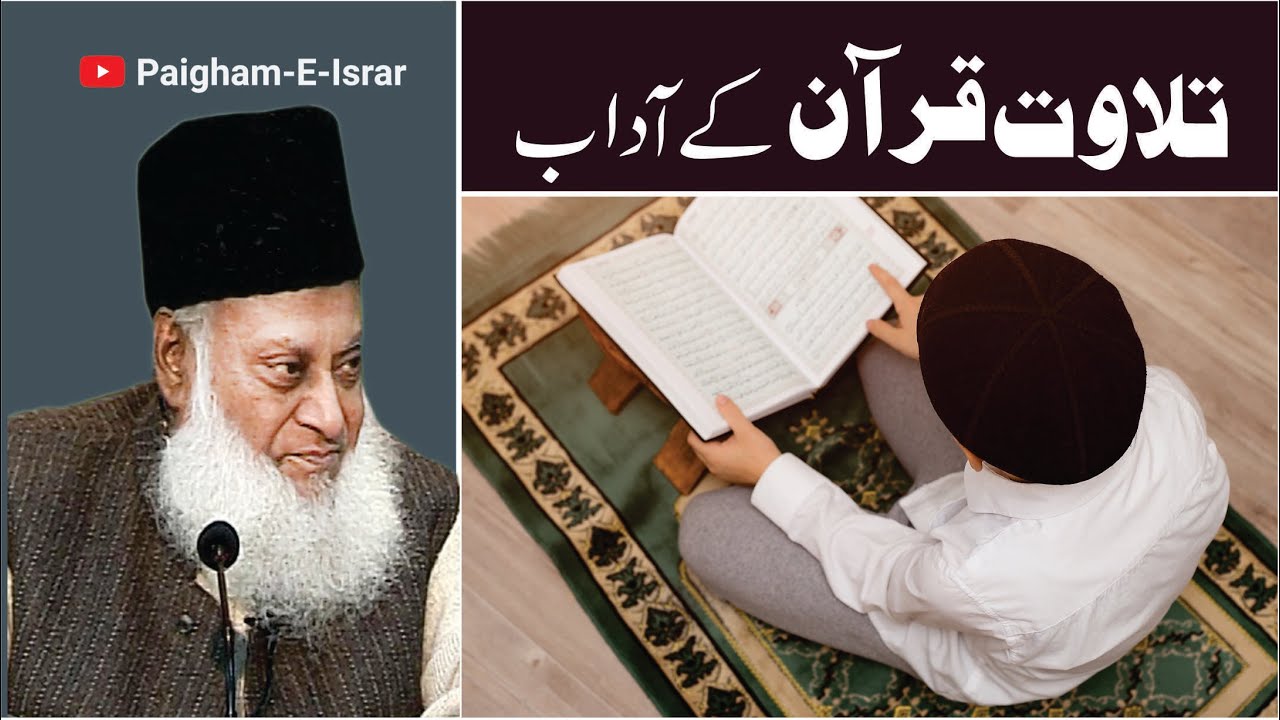
Dr. Israr Ahmad discusses the proper method of Quran recitation, emphasizing the importance of correct pronunciation (tajweed), understanding the meaning, and avoiding superficial artistic displays. He contrasts true Quranic recitation with competitive performances, highlighting that the Quran should enter the heart, not just be a vocal exercise. He warns against reciting Quran while engaging in sinful activities, and stresses that a sincere connection with the Quran strengthens faith and resilience. He also clarifies the difference between *tilawat* (recitation) and *tartil* (rhythmic, meaningful recitation). He cautions against relying solely on eloquent recitation without comprehension, and advocates for learning from qualified teachers to ensure accurate pronunciation and understanding.
125
