短裤
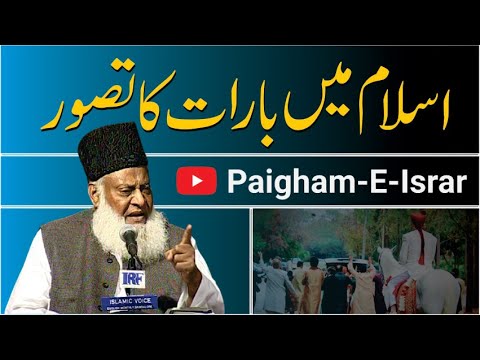
This lecture clarifies that the practice of *barat* (a wedding procession) is not an Islamic tradition. The *nikah* (marriage contract) in Islam is performed in the mosque, without lavish feasts or processions. The historical context reveals that the custom originated from pre-Islamic Hindu traditions, stemming from the need to protect the bride and her dowry during travel between villages. It was a protective measure against bandits, evolving into a large, extravagant procession with feasting and displays of wealth at the groom's home. The example of Prophet Muhammad's daughter, Fatima, demonstrates that even in her marriage to Hazrat Ali, there was no such elaborate procession; rather, a few women accompanied her after the *nikah*. The lecture emphasizes that this practice is a cultural addition, not a religious requirement.

97
This lecture addresses the grave sin of associating partners with God, specifically the pre-Islamic Arabian practice of assigning gender to God and believing in divine offspring. It highlights how attributing progeny to Allah is the most egregious form of *shirk*. The discussion condemns the notion of God having sons and daughters, referencing the verse about God's displeasure with angels who assigned gender to Him. The lecture emphasizes the immense audacity of such a claim and warns against its consequences.
42
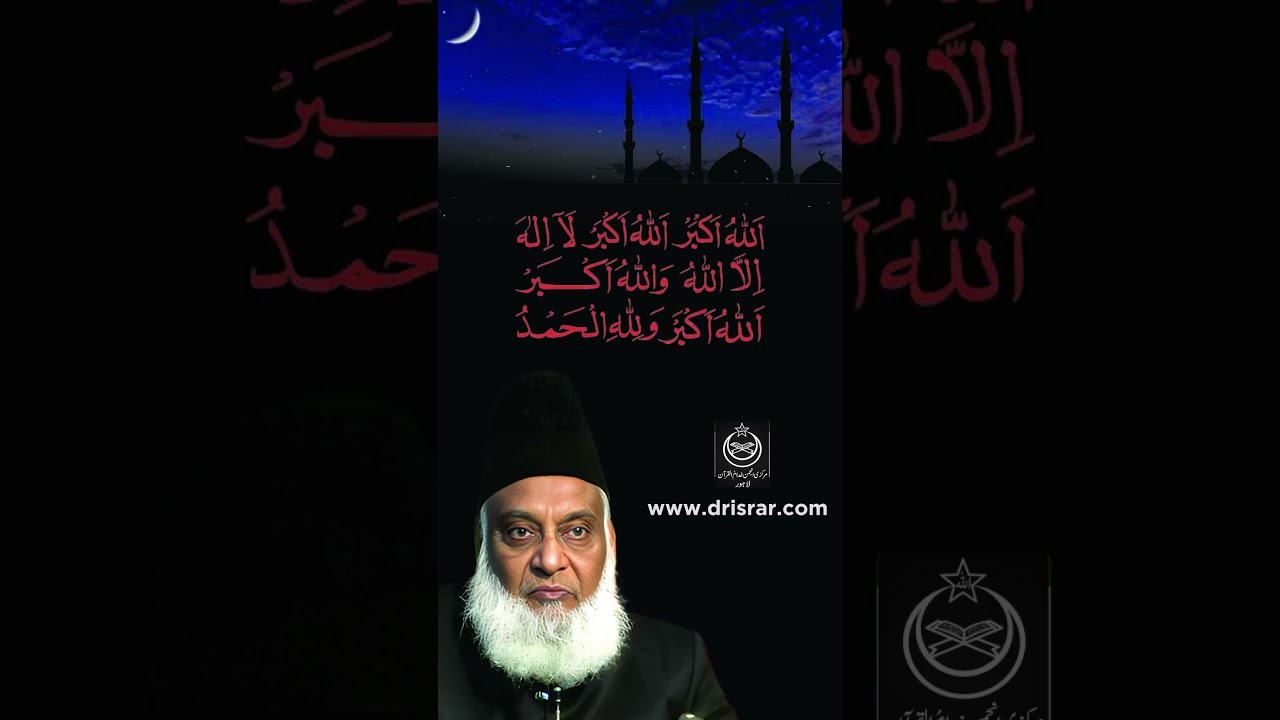
This lecture focuses on the profound meaning and spiritual significance of the phrase "Allah Akbar." Dr. Israr Ahmad elaborates on its implications for a believer’s life, emphasizing its connection to gratitude, humility, and the recognition of God’s greatness. He explains how the consistent remembrance of God through this declaration can transform one’s perspective and lead to inner peace. The discourse underscores the importance of aligning one’s actions with the acknowledgment of God’s supreme power and mercy, fostering a deeper spiritual connection and a life guided by faith.
59
This lecture emphasizes the certainty of meeting God and the rewards awaiting those who remain steadfast in faith and patience. It addresses the unseen struggles and sacrifices made for others, often without recognition, and highlights the importance of enduring hardship with the promise of eventual reward in paradise. The speaker reassures listeners that God is aware of their trials and has prepared a welcoming reception for them in the afterlife. It also touches upon the whispers of doubt and the importance of remaining firm in belief, remembering that God is the All-Hearing and All-Knowing.
64
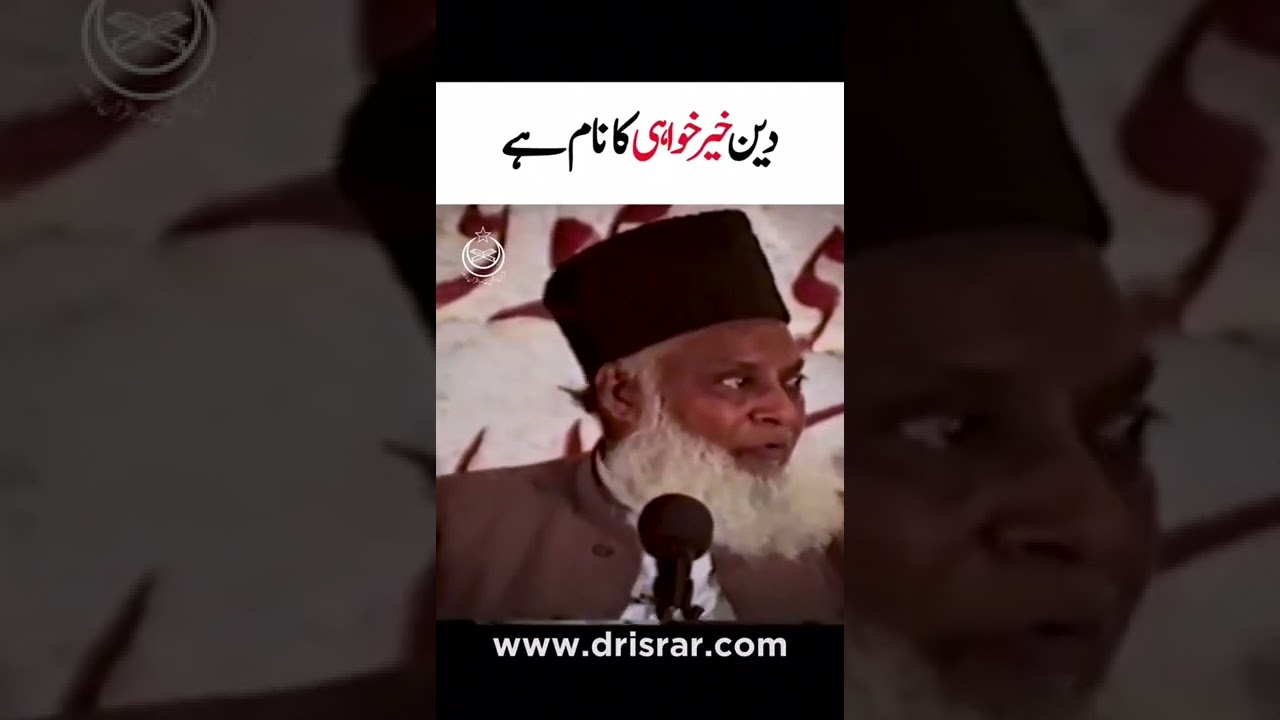
The Prophet Muhammad (peace be upon him) defined religion as sincere advice and goodwill. He emphasized that this goodwill should be extended to God, the Quran, the Prophet himself, the leaders of the Muslim community, and the general populace. This includes offering sound counsel and preventing wrongdoing. The Prophet also stressed the importance of helping others, even those who are wrongdoers. He clarified that assisting a wrongdoer does not mean supporting their injustice, but rather restraining them from their harmful actions. This act of preventing injustice is itself a form of assistance. It is an act of *enjoining good and forbidding evil*.
63
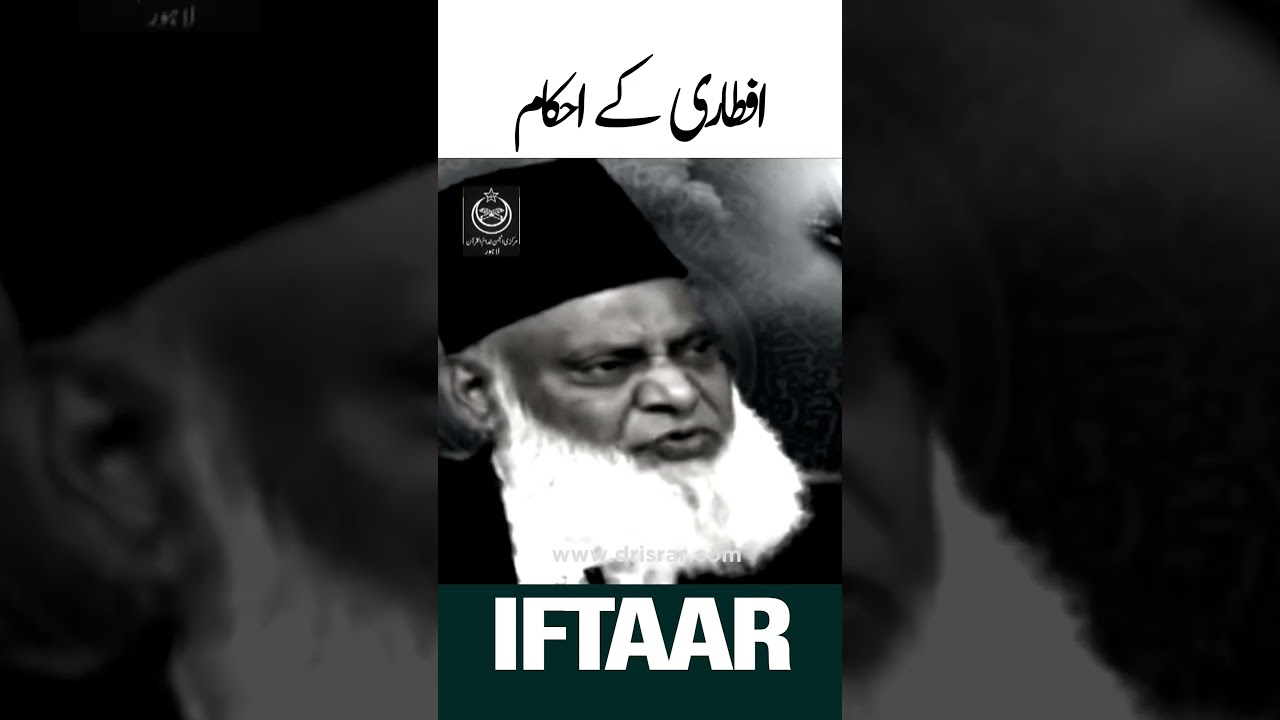
This lecture discusses the proper timing for ending the daily fast (iftar) according to different Islamic schools of thought. It clarifies the disagreement between Shia and Sunni perspectives, with Shia scholars advocating for waiting until complete darkness and Sunni scholars linking it to sunset. The discussion extends to the importance of avoiding extremes – neither rushing the pre-dawn meal (sehri) nor excessively delaying iftar. It emphasizes adhering to established timings and completing the fast correctly, without unnecessary hardship or innovation. The lecture stresses the need for practical application of religious principles and cautions against unnecessary complications in observing religious rituals.
77
