Kurze Hose

This lecture clarifies the Islamic concepts of *israf* (wastefulness) and *tabzir* (extravagance). *Israf* is exceeding necessity when fulfilling a need, while *tabzir* is spending wealth unnecessarily for show and ostentation. The Quran condemns *tabzir* more severely than *israf*, equating those who practice it with the brothers of Satan. The speaker emphasizes the importance of moderation and fulfilling needs without excess, contrasting essential spending with wasteful displays of wealth. This discussion highlights the spiritual consequences of extravagance and promotes a mindful approach to resource utilization.

47
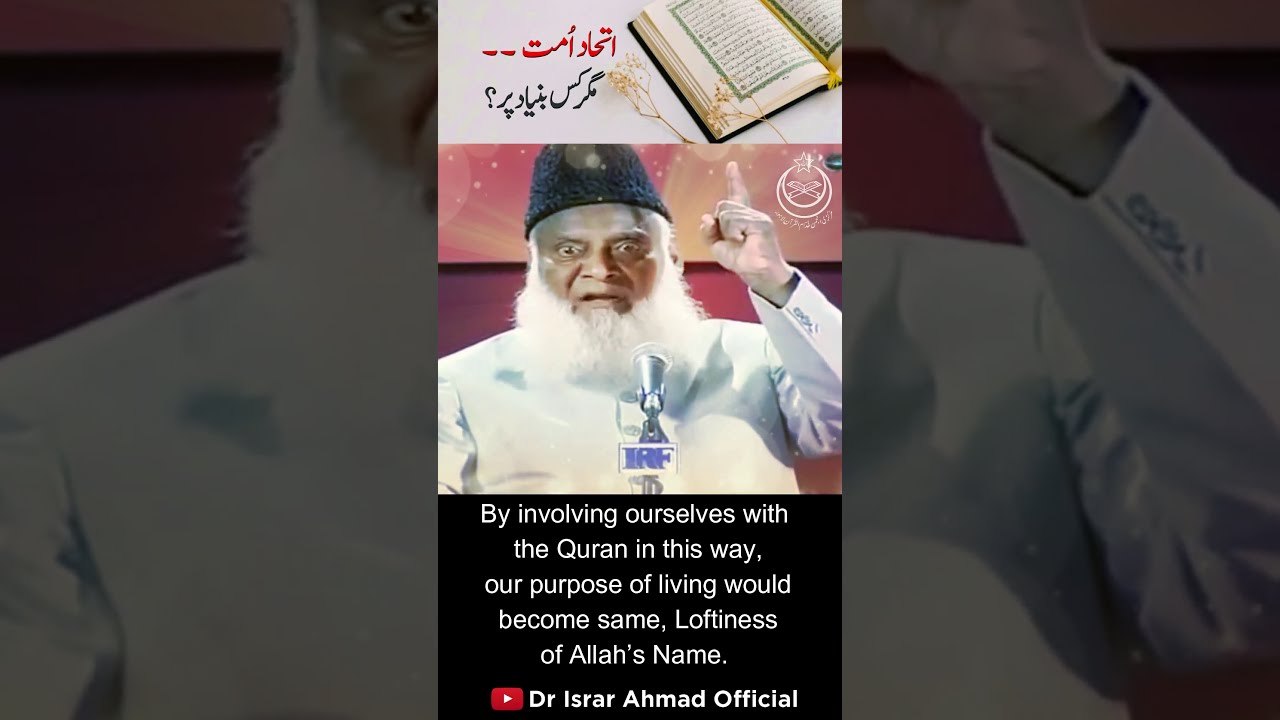
True unity within the Muslim community requires more than just superficial calls for togetherness. It necessitates a fundamental alignment of thought, ideology, objectives, and methodology. Mere gatherings, like a herd of animals, are insufficient. The Quran serves as the sole unifying force, fostering intellectual and ideological harmony not merely through recitation, but through comprehension and mindful study. When individuals share a common purpose – the elevation of the word of God – they truly become a community. This shared objective is the foundation for genuine unity.
67
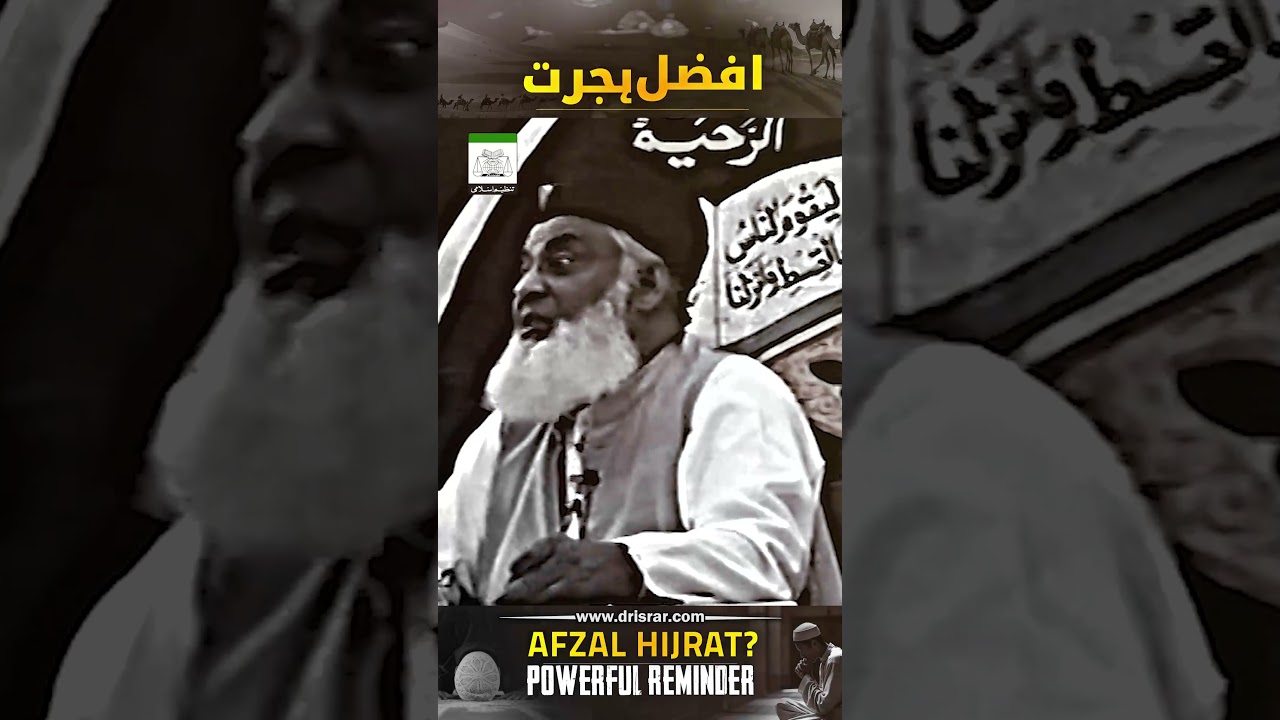
This lecture explains that true migration (Hijrat) isn’t necessarily physical relocation, but rather abandoning disobedience and striving for obedience to God. It's a continuous internal struggle (Jihad) against base desires and harmful habits. The most superior migration is renouncing everything displeasing to God, even while remaining in one’s home and among family. This internal shift, a detachment from the prohibited, constitutes genuine Hijrat.
62

Pride, or *takabbur*, is presented as a grave sin in Islam, likened to attempting to strip a divine covering from God. This lecture explains that arrogance isolates individuals from divine grace, referencing a hadith stating that no one with even a speck of pride in their heart will enter Paradise. The act of removing someone’s shawl is described as a profound dishonor in Arab and Pashtun cultures, and pride is similarly presented as a transgression against God. It’s emphasized that God alone deserves such grandeur, and arrogance is a rejection of divine majesty. The lecture highlights that true humility is essential for spiritual growth and acceptance by God.
100

The natural progression of love shifts throughout life. Initially, a child's love is wholly focused on their parents due to dependence. As individuals mature, marry, and have children, the sphere of their affection expands, inevitably diminishing the exclusivity of parental love. Maintaining a strong connection with parents requires conscious effort and is considered a divine command. This lecture explains that prioritizing parental affection isn't automatic; it's a deliberate act of obedience to God’s will and a demonstration of gratitude for their sacrifices. It is a reminder to treat parents with kindness and respect, recognizing that fulfilling this obligation is not merely a natural impulse but a religious duty.
52
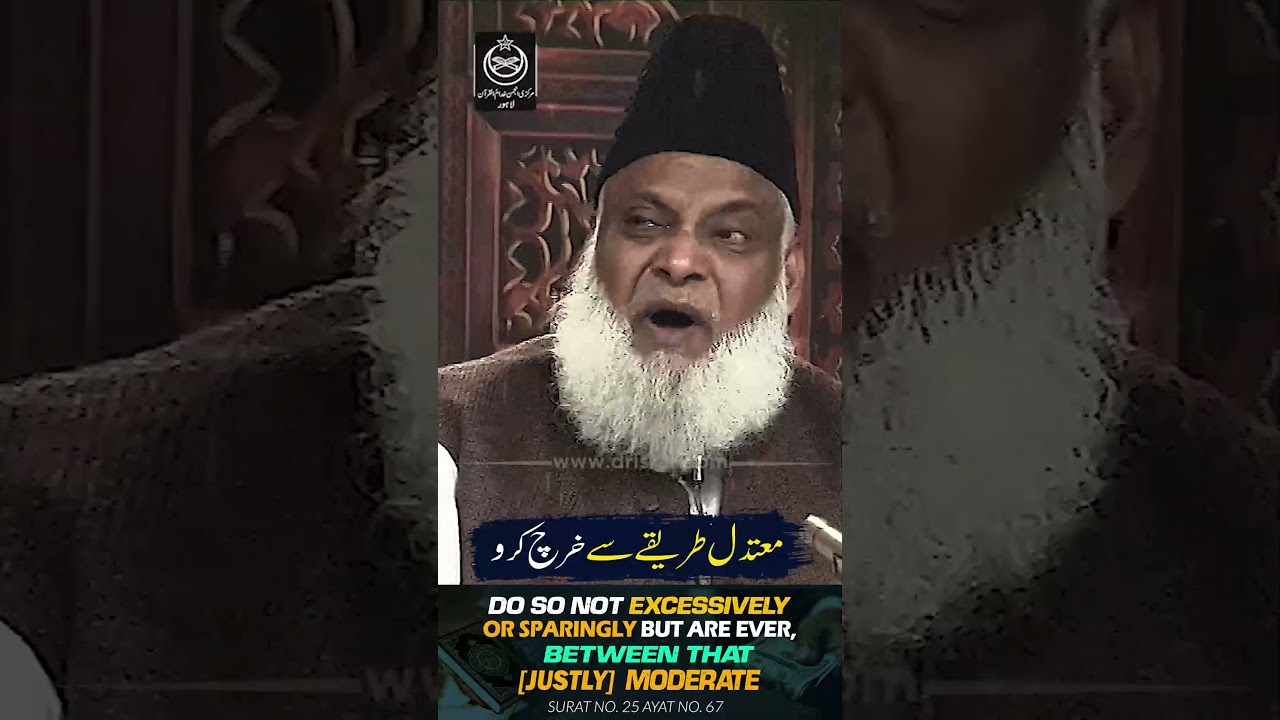
Extremism in charitable giving is undesirable. Intense emotion can lead individuals to impulsively donate all their wealth, potentially harming themselves. The Quran and the teachings of the Prophet emphasize the necessity of balance in spending. The verse from Surah Al-Furqan highlights that true believers spend neither stingily nor wastefully, but maintain a moderate course between these extremes. This approach ensures both the well-being of the giver and the effective distribution of resources to those in need. It’s crucial to consider consequences and adopt a reasoned approach to charity.
47
