Shorts

Dr. Israr Ahmad explains that attaining paradise is not achieved through ease and comfort, but through overcoming significant challenges and hardships. He describes paradise as being surrounded by difficult and frightening obstacles—a perilous wilderness filled with dangers. Successfully navigating these trials is essential to reaching paradise. The speaker uses poetic imagery to illustrate that the path to paradise demands endurance and perseverance, requiring one to traverse a difficult and thorny road. True reward awaits those who endure these hardships.

57

True piety and attaining spiritual elevation require sacrificing cherished possessions for the sake of others. Mere scholastic achievement—be it as a scholar, ascetic, jurist, or interpreter—is insufficient without genuine selflessness and dedication to virtuous deeds. Spiritual progress is impossible without practical demonstration of faith through giving and compassion. Achieving the station of *birr* demands a commitment that surpasses intellectual understanding and manifests in tangible acts of kindness and generosity. The lecture emphasizes that superficial religious observance lacks merit without a sincere transformation of the heart and a commitment to giving from what one loves.
43

The lecture contrasts two concepts of religion: a static view focused solely on ritual observance, and a dynamic view centered on striving for the dominance of Islam and the betterment of the world. The speaker argues that a truly devout person dedicates their energies to both earning a livelihood and working towards the elevation of Islamic values. One approach limits faith to personal piety, while the other sees it as a driving force for positive change in society. The ultimate purpose of a Muslim’s life, according to this perspective, is to contribute to the glory of Islam.
57

This lecture addresses the pervasive issue of interest (riba) and gambling (qimar) within Pakistan’s economic system, arguing they contradict the principles of Islam upon which the nation was founded. The speaker issues a strong condemnation of these practices, stating they undermine the entire fabric of society and jeopardize spiritual well-being. He warns that continued engagement with interest-based economics will lead to divine punishment. The lecture emphasizes that even seemingly harmless activities, if reliant on interest or gambling, contribute to a systemic problem. The speaker suggests that a return to Islamic principles is crucial for societal and individual salvation.
52

Dr. Israr Ahmad warns of a time when the Muslim community will be left with only the name of Islam, and the Quran will be reduced to its calligraphy and letters. He emphasizes a divine guarantee for the preservation of the Uthmani script. He predicts a proliferation of mosques that are devoid of guidance, and describes scholars who will be the worst of people, fostering discord and conflict. These scholars will be the source and destination of fitna (discord), promoting sectarianism and exacerbating differences among Muslims. He observes that a vast majority of contemporary religious leaders exhibit these characteristics.
78
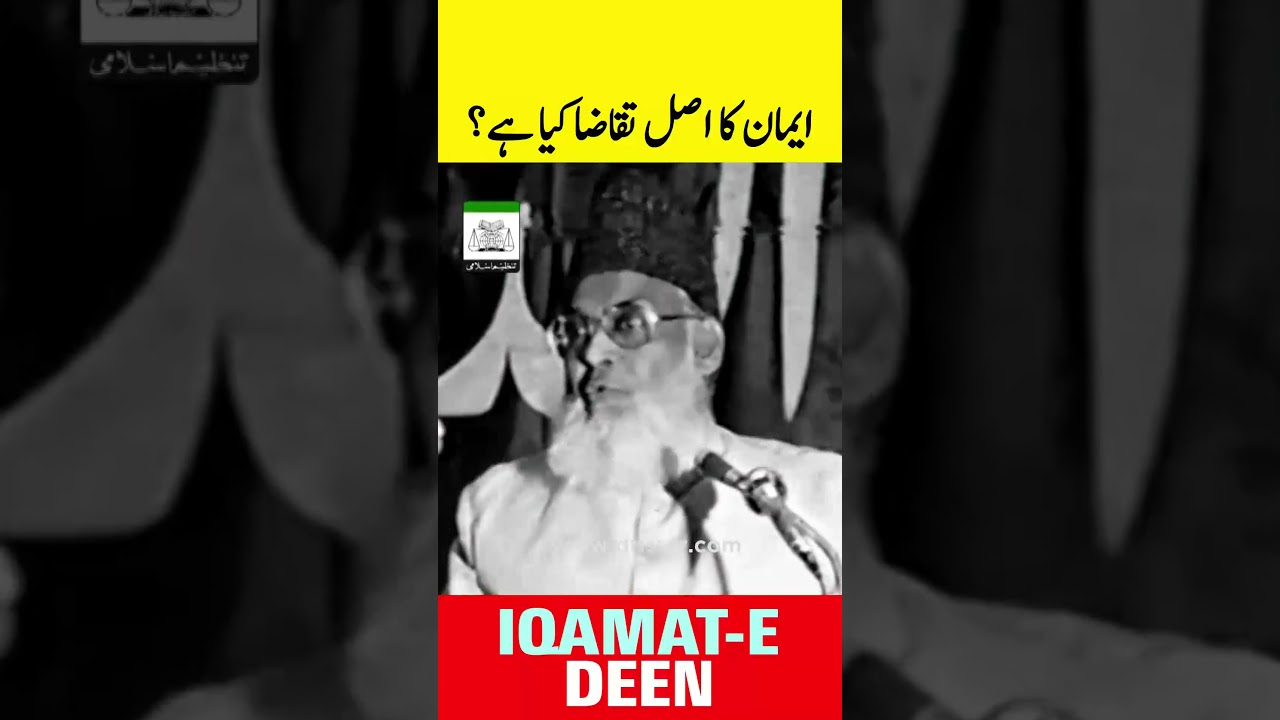
This lecture elucidates the dynamic and revolutionary nature of faith, emphasizing that the true essence of belief lies in striving for the elevation of God's religion. Prayer, fasting, pilgrimage, and charity are not merely rituals, but tools to cultivate the patience, steadfastness, and resilience necessary for this struggle. Without a clear purpose – the advancement of faith – these practices risk becoming empty formalities. A life dedicated to the glory of faith imbues these acts with genuine meaning and purpose, transforming the believer into a dedicated servant.
56
