Shorts
Dr. Israr Ahmad explains that the greatest form of *jihad* is the struggle against one’s own base desires (*jihad e nafs*), achieved by dedicating oneself to God. This internal struggle protects against worldly temptations that constantly demand attention and resources. He contrasts this with physical *jihad* – fighting in the path of God – which, while important, is considered a lesser form of struggle. The constant internal demands of the *nafs* are portrayed as a relentless pursuit of material possessions and immediate gratification. Overcoming these internal pressures constitutes the superior *jihad*.

47
When the Prophet Muhammad arrived in Medina, he observed that the Jewish community fasted on the tenth of Muharram (Ashura), commemorating the day the Israelites were saved from Pharaoh and his army. They explained this was a day of thanksgiving. The Prophet stated that Muslims, as followers of Moses, had a greater right to commemorate this event. He instructed Muslims to fast on both the ninth and tenth of Muharram to distinguish themselves from the Jews, who only fasted on the tenth. This practice marks the beginning of observing days of worship based on the traditions of earlier communities present in Medina.
42
The lecture emphasizes that a lack of empathy and compassion leads to spiritual deprivation. True piety isn’t demonstrated through rituals alone, but through actively alleviating the suffering of others. One who witnesses another’s pain and possesses the means to help, yet fails to do so, forfeits blessings. Genuine faith demands shared sorrow and a commitment to easing the burdens of fellow humans. Mere observance of prayers and nocturnal worship are insufficient without accompanying heartfelt compassion and practical assistance.
61
This lecture addresses the question of resurrection after complete physical disintegration. It refutes the notion that being reduced to dust or metal precludes the possibility of being recreated. The speaker clarifies that even if one were to become stone, fossilized, or transformed into an exceptionally hard substance, Allah is capable of recreating them. The argument centers on the absolute power of God and the inherent possibility of renewal, regardless of the state of decomposition. It is a response to those who express disbelief based on the perceived impossibility of being revived after death.
45
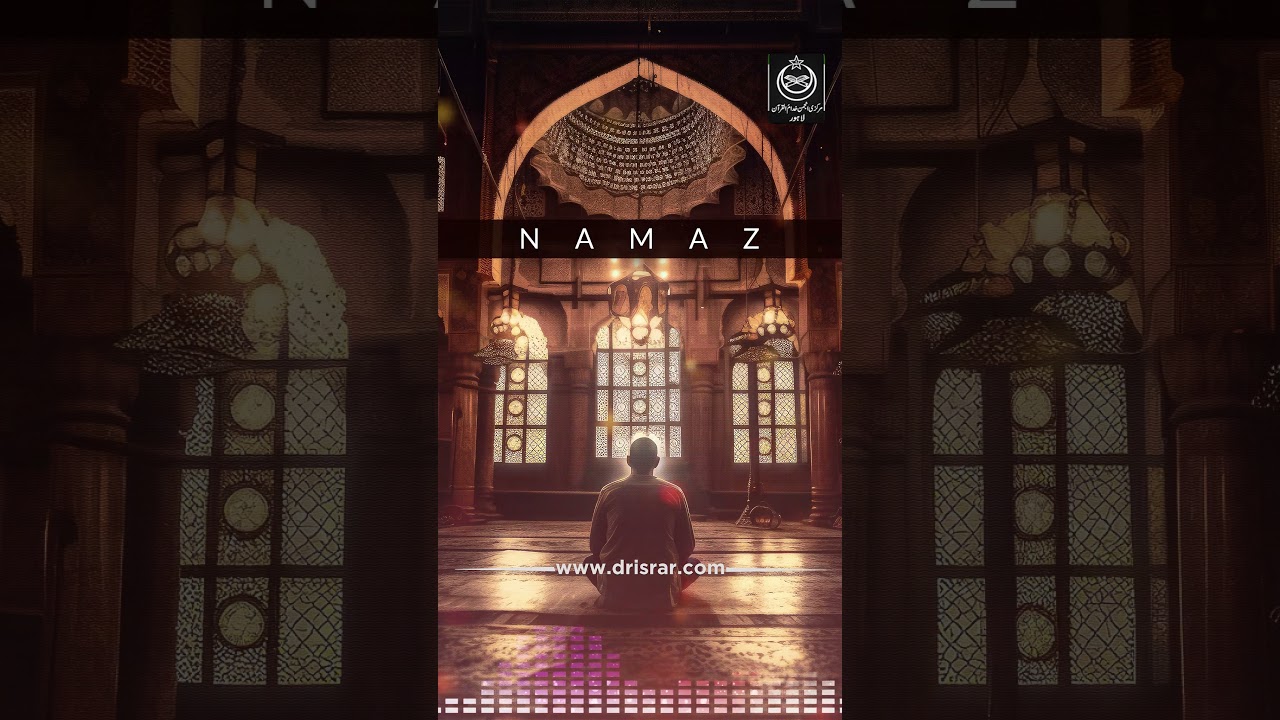
True goodness isn't merely external ritual; it’s an internal transformation affecting the entire being. The essence of worship, like prayer, lies not in its technicalities, but in achieving a spiritual presence with God. Genuine prayer evokes a heartfelt connection, a sense of joy, and a direct communion with the Divine. The experience should be one of complete surrender and humility before God. Without this spiritual depth, the act remains incomplete.
41
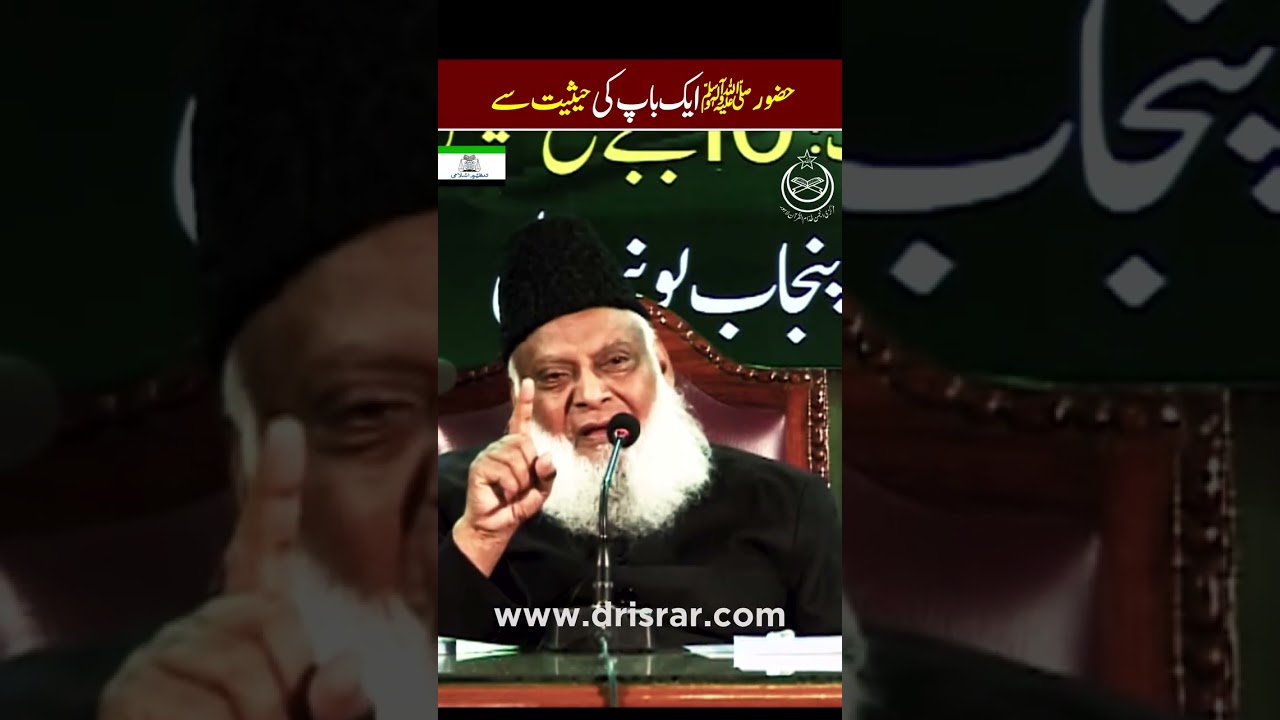
This lecture explores the life of Hazrat Fatima, the daughter of Prophet Muhammad (peace be upon him), highlighting her sacrifices, devotion, and the hardships she endured. It delves into her relationship with her father, her role as a mother, and the challenges faced by the early Muslims. The speaker emphasizes Fatima’s piety, patience, and her exemplary character as a role model for all believers. The discussion also touches upon the material possessions and worldly comforts, contrasting them with spiritual values and the importance of remembrance of Allah after every prayer.
80
