Şort

This lecture challenges conventional definitions of success, which often equate it with wealth, property, or business expansion. It asserts that true success lies beyond material possessions and external achievements. The speaker contends that societal perceptions of success are flawed, and genuine fulfillment stems from something deeper than worldly gains. The core message emphasizes a shift in perspective, urging listeners to redefine success based on intrinsic values rather than external metrics.

229

This lecture emphasizes the certainty of meeting God and the rewards awaiting those who remain steadfast in faith and patience. It addresses the unseen struggles and sacrifices made for others, often without recognition, and highlights the importance of enduring hardship with the promise of eventual reward in paradise. The speaker reassures listeners that God is aware of their trials and has prepared a welcoming reception for them in the afterlife. It also touches upon the whispers of doubt and the importance of remaining firm in belief, remembering that God is the All-Hearing and All-Knowing.
67

This lecture addresses the importance of individual engagement with religious teachings and self-reflection. It critiques the professionalization of religious roles, arguing that every Muslim should be capable of leading prayers, performing marriage ceremonies, and conducting funeral rites. The speaker emphasizes that religious knowledge and practice should not be limited to a select few, but accessible to all Muslims. The core message urges listeners to examine their own faith and commitment to religious principles instead of criticizing religious scholars.
225
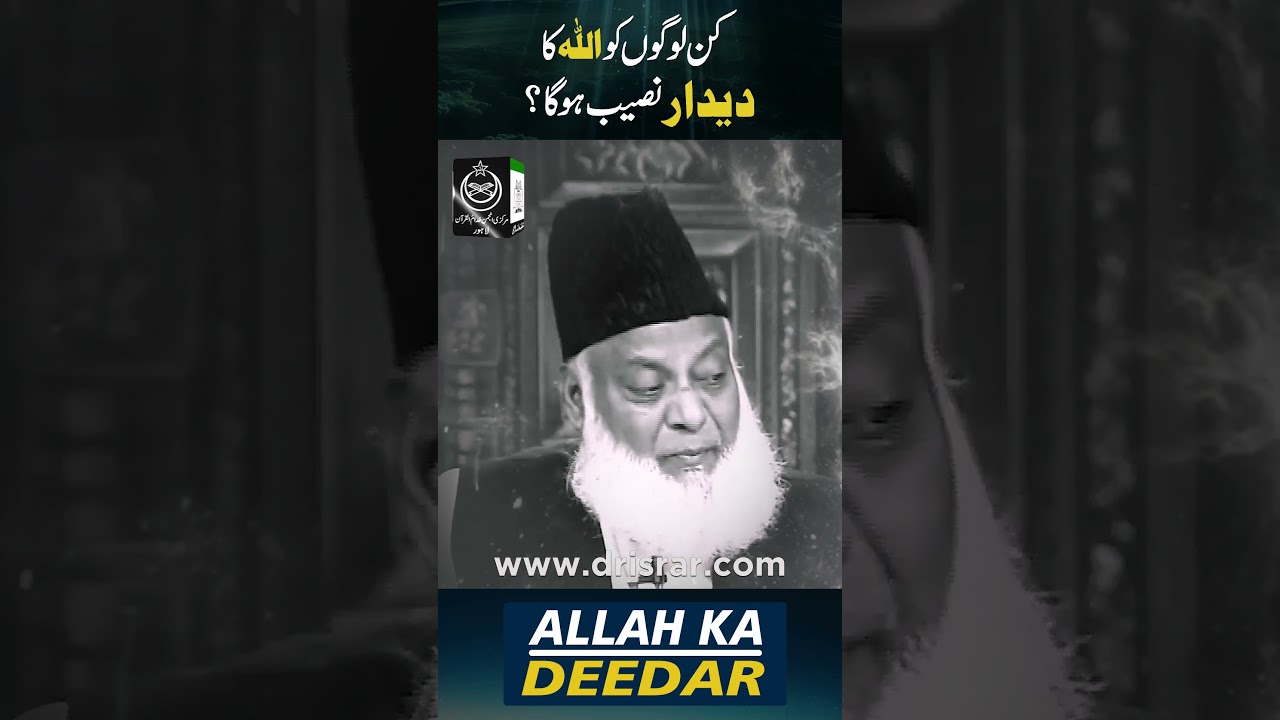
This lecture explains that on the Day of Judgement, a manifestation of Allah will occur, but only those with faith will be granted this divine vision. The Quran states that disbelievers will be veiled on that day, unable to witness this manifestation reserved for the believers. This vision is a special blessing for the faithful, inaccessible to those who rejected faith.
52

This lecture emphasizes accepting both blessings and trials from God with contentment and recognizing divine wisdom in all circumstances. It highlights the importance of surrendering to God’s will and finding peace through acceptance of His decree. The core message is to remain steadfast in faith and find satisfaction in God’s plan, understanding that all events, whether positive or negative, occur with a divine purpose. It stresses that true contentment lies in aligning oneself with God's will, acknowledging His sovereignty, and finding peace in surrendering to His decree.
62
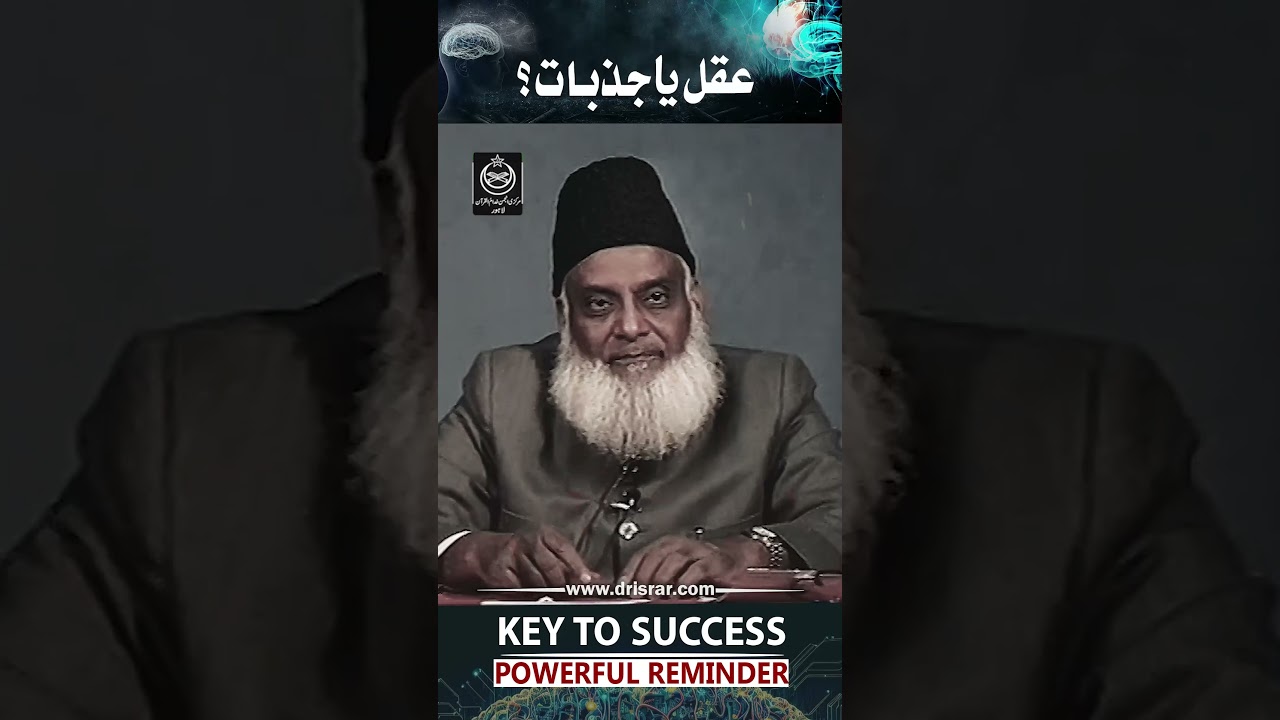
This lecture explores the conflict between intellect and passionate faith, using the story of Ibrahim and Nimrod as a central analogy. It argues that true devotion requires transcending rational self-preservation. The speaker emphasizes that while intellect provides guidance and direction, moments of profound commitment demand acting beyond logical calculation, fueled by unwavering belief. It highlights the importance of emotional conviction in propagating a message, even at personal risk, and asserts that intellectual analysis alone cannot drive transformative action. The lecture encourages listeners to move beyond purely rational thought when pursuing higher purposes, embracing the power of heartfelt conviction.
73
