Corti
The criteria for success and failure are presented, emphasizing that true success isn’t found in wealth, status, or possessions. Instead, it stems from faith and righteous action. These elements are fundamental necessities for salvation, and one cannot compromise on them. The lecture stresses that genuine achievement is rooted in spiritual foundations, not material gains.

58
Human beings possess an inherent understanding of good and evil, stemming from a divinely inspired moral compass embedded within their nature. This internal faculty guides individuals towards righteousness and away from wrongdoing. The core principles of ethical conduct – fulfilling obligations, avoiding prohibited acts like usury and intoxicants, and embracing virtues like prayer and fasting – are foundational to this innate understanding. This inherent moral sense is not learned but rather a natural attribute of the human soul, a divine endowment that distinguishes humanity.
49
This lecture explores the concept of spiritual and emotional healing as presented in the Quran, specifically referencing verses from Surah Yunus. It identifies the root causes of spiritual ailments – including disbelief, polytheism, arrogance, envy, and excessive attachment to worldly possessions like wealth, status, children, and life itself. The lecture emphasizes that these attachments are instigated by Satan and are the source of inner turmoil. It posits that true healing comes through recognizing and detaching from these harmful inclinations, leading to inner peace and spiritual well-being.
51
The process of self-purification involves internalizing the Quran – understanding it with your intellect, reflecting upon it in your thoughts, and illuminating your heart with its guidance. This inner illumination dispels darkness and washes away impurities, much like leaves falling from trees in autumn. Faith, once established, generates an inner light that permeates the entire being. This requires controlling base instincts, detaching from worldly desires like wealth and power, and purifying one’s character from vices. The Quran is the primary source for achieving this purification.
73
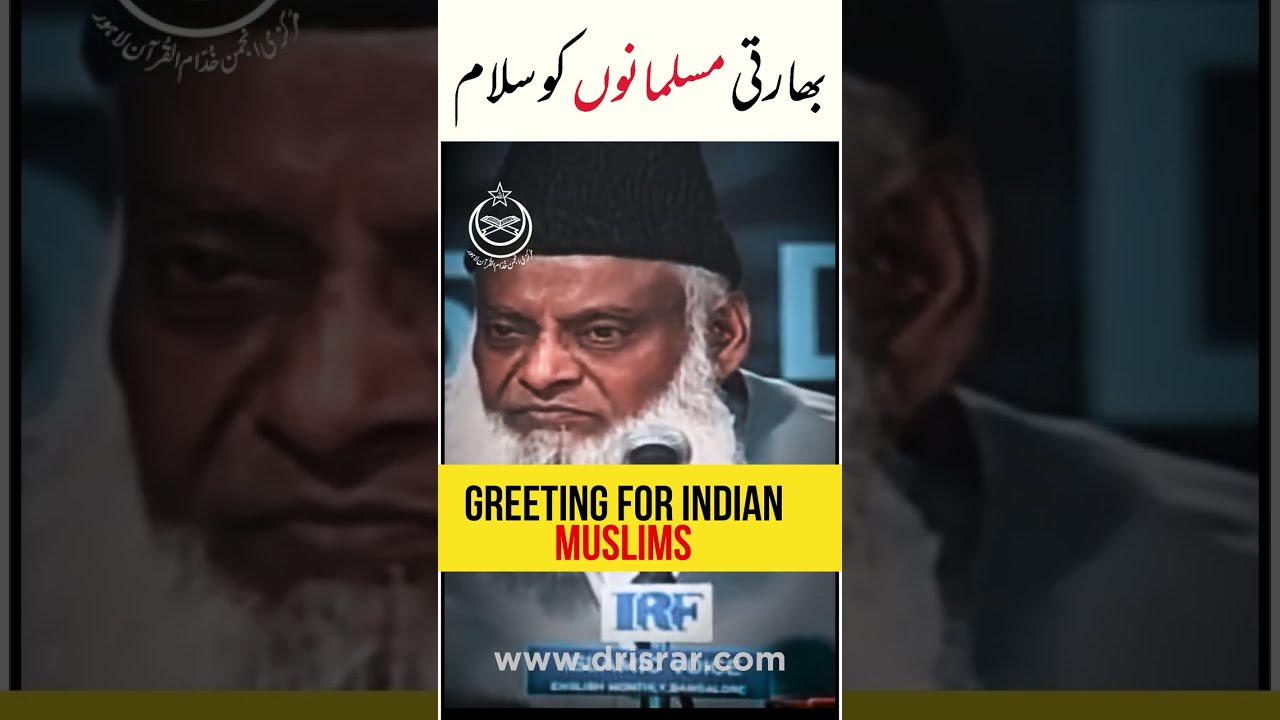
Dr. Israr Ahmad discusses the imposition of the Muslim Family Laws Ordinance in 1961 by a military dictator, highlighting the lack of unified opposition from various Islamic sects despite widespread acknowledgement of its flaws. He points out that despite repeated proclamations of Islamic values, subsequent leaders, including Zia-ul-Haq, failed to amend or repeal the ordinance, allowing it to remain law for over a decade. The lecture examines the historical context and the absence of concerted religious resistance to the legislation.
45
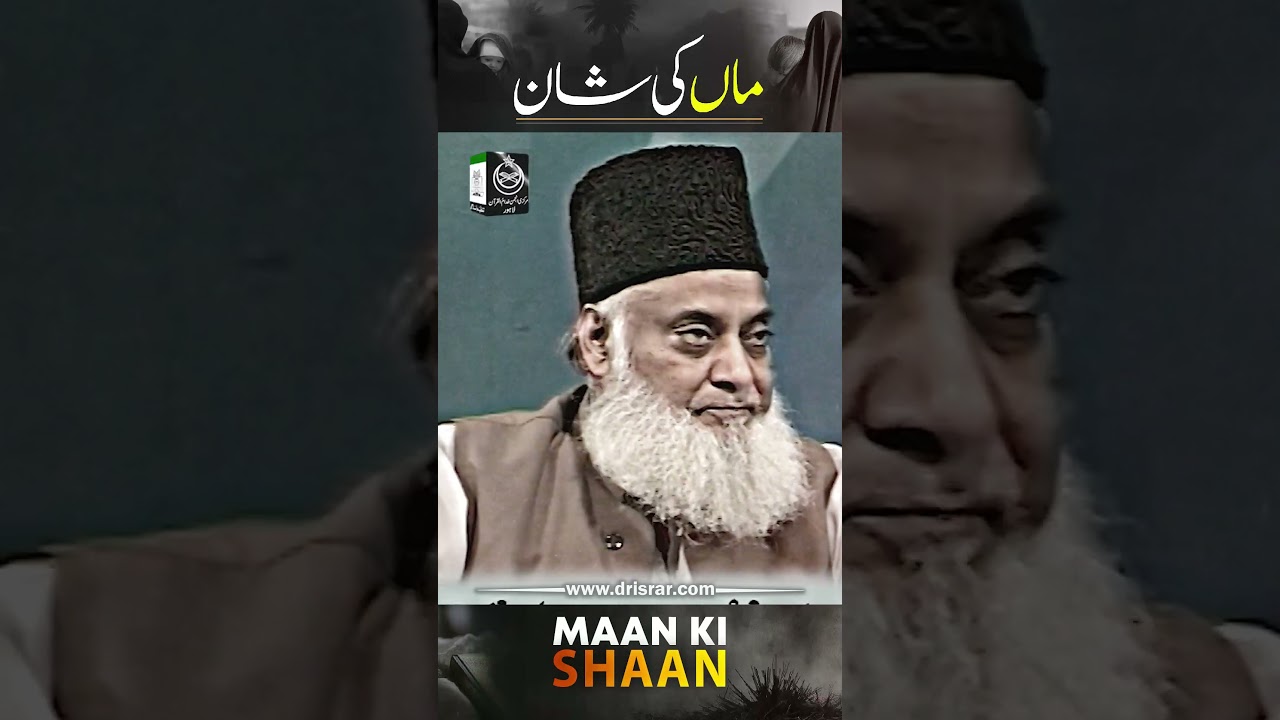
This lecture details the immense sacrifices parents make, particularly mothers, during pregnancy and early childhood. It highlights the physical and emotional burdens mothers endure, from carrying the child in the womb for nine months to nurturing and feeding them for two years. The text emphasizes the profound debt of gratitude children owe their parents, both for their care and as a reminder of our ultimate return to God, mirroring the parent-child relationship. It stresses that acknowledging and appreciating parents is a fundamental aspect of faith and righteousness.
58
