Shorts

Success and failure are defined not by worldly status or wealth, but by faith, righteous deeds, perseverance, and truthfulness. A person lacking worldly possessions may hold a high position in the eyes of God, and their oaths will be honored. True success lies in maintaining faith and performing good deeds even in times of hardship and poverty. Being poor or unknown is not a detriment if one remains steadfast in belief and practice.

51
The speaker emphasizes the importance of self-accountability and inviting others to righteousness. He argues that while avoiding criticism is acceptable in personal agreements, actively promoting good deeds opens one's character to scrutiny, which is ultimately beneficial. He suggests that actively engaging in *dawat* (inviting to the right path) necessitates a willingness to examine one's own conduct. Avoiding self-reflection and failing to address personal flaws creates a hypocrisy that will be noted by others. The speaker also highlights that mutual silence regarding wrongdoing, though convenient, does not foster genuine improvement.
49

Pride, or *takabbur*, is presented as a grave sin in Islam, likened to attempting to strip a divine covering from God. This lecture explains that arrogance isolates individuals from divine grace, referencing a hadith stating that no one with even a speck of pride in their heart will enter Paradise. The act of removing someone’s shawl is described as a profound dishonor in Arab and Pashtun cultures, and pride is similarly presented as a transgression against God. It’s emphasized that God alone deserves such grandeur, and arrogance is a rejection of divine majesty. The lecture highlights that true humility is essential for spiritual growth and acceptance by God.
100
This excerpt emphasizes the importance of honesty and fairness in all dealings, specifically in trade and measurement. It instructs individuals to fulfill measures completely when selling and to use straight scales when weighing, ensuring accuracy and equity. The text highlights that adhering to these principles leads to a better outcome and overall goodness. It’s a call for ethical conduct and just practices in all aspects of life, promoting a society built on trust and integrity.
53

The text defines Qiyam ul Layl, or the night prayer, according to the Quran, specifically referencing Surah Al-Muzzammil. It clarifies that Qiyam doesn’t necessitate praying the entire night but can be fulfilled by praying for at least one-third of the night. The Quran acknowledges that the Prophet Muhammad and a group of his followers observed this practice, praying for varying durations – one-third, half, or two-thirds of the night. The verse highlights Allah's awareness of the Prophet’s devotion and the dedication of those who join him in this nightly worship. The minimum duration for fulfilling Qiyam, according to the interpretation, is one-third of the night.
156
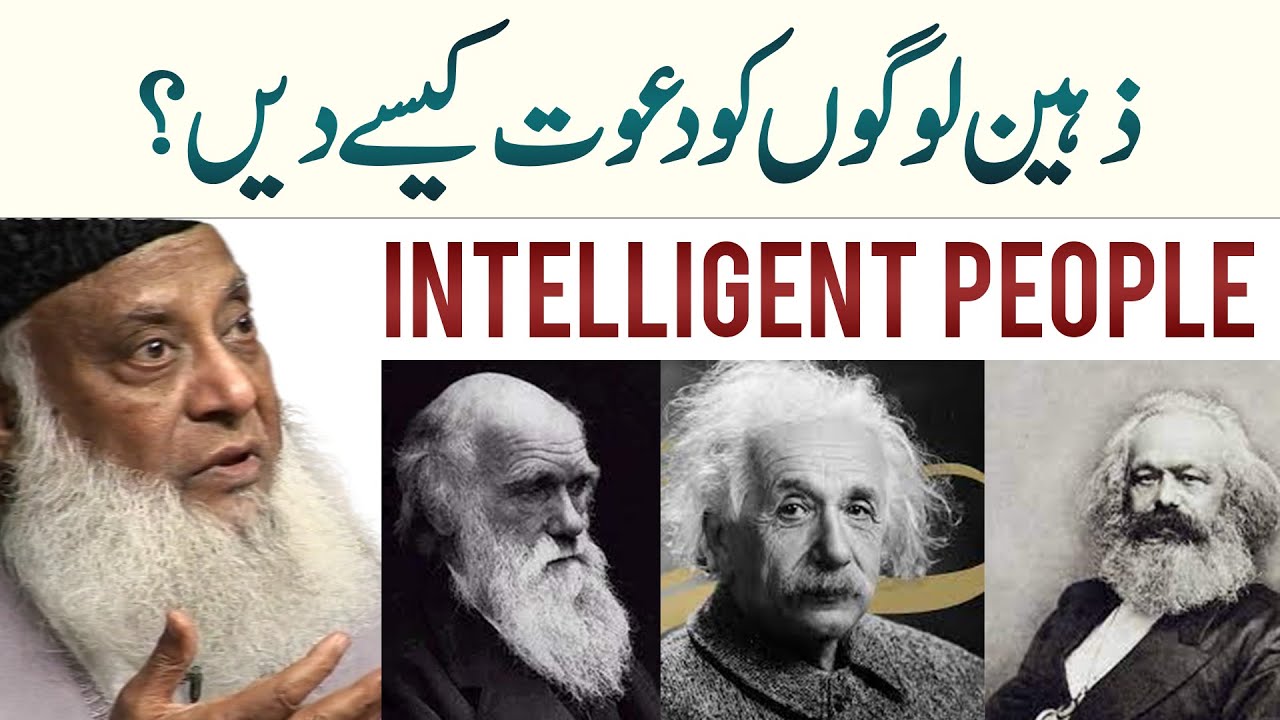
The lecture addresses the necessity of clearing the mind of conflicting ideologies, specifically Darwinian evolution and other Western philosophies, before accepting Islamic teachings. The speaker emphasizes that preconceived notions and intellectual impurities act as barriers to true understanding of religious concepts like the story of Adam and Iblis. He critiques the influence of thinkers such as Darwin, Freud, Marx, Adler, Bertrand Russell, and Sartre on contemporary thought, asserting that these philosophies obstruct a clear reception of Islamic principles. The speaker highlights the importance of intellectual purification to facilitate genuine faith and understanding.
42
