Shorts
This lecture discusses the importance of *khushu* (humility and devotion in prayer) and *tazkiya-e-nafs* (self-purification). It emphasizes that true worship goes beyond merely performing rituals; it requires a sincere connection with the Divine and a constant striving for self-improvement. The speaker highlights that valuable time should not be wasted on frivolous activities but dedicated to personal growth and purification. The concept of *zakat* is explained not as financial charity in its later legal form, but as a continuous process of self-assessment and removing inner flaws. The focus is on consistently striving for moral and spiritual cleansing.

71
This lecture discusses the unique sanctity of Mecca, highlighting its historical role as a place of peace amidst a turbulent Arab society. Despite centuries of tribal conflict, feuds, and cycles of revenge killings, Mecca’s sacred precinct remained a sanctuary. Even those seeking retribution for deeply personal grievances—like the murder of a father—would refrain from violence within its boundaries. This demonstrates Allah’s provision of security and peace to the city, earning it the title 'City of Peace.' This inherent protection continues to be a defining characteristic of Mecca today.
32
The Quran’s true absorption into one's being necessitates a softened heart. Just as water readily permeates a smooth vessel, the Quran is best received by a receptive soul. The Quran serves as both a remedy and a guide, embodying divine mercy and representing Allah’s greatest blessing to humanity. A softened heart is essential for benefiting from the Quran’s teachings and experiencing its transformative power. It highlights the Quran's role as a source of healing, direction, and divine grace.
49
A lack of trust between spouses erodes the foundation of marriage and family. If a husband doubts his wife's fidelity or vice versa, it distracts from their connection and weakens their bond. Similarly, paternity concerns destabilize the entire family unit. Maintaining strong sexual attraction within the marriage—focused solely between husband and wife—is crucial for reinforcing this fundamental institution and ensuring its stability. This lecture emphasizes the vital role of mutual trust and focused intimacy in preserving the family structure.
42
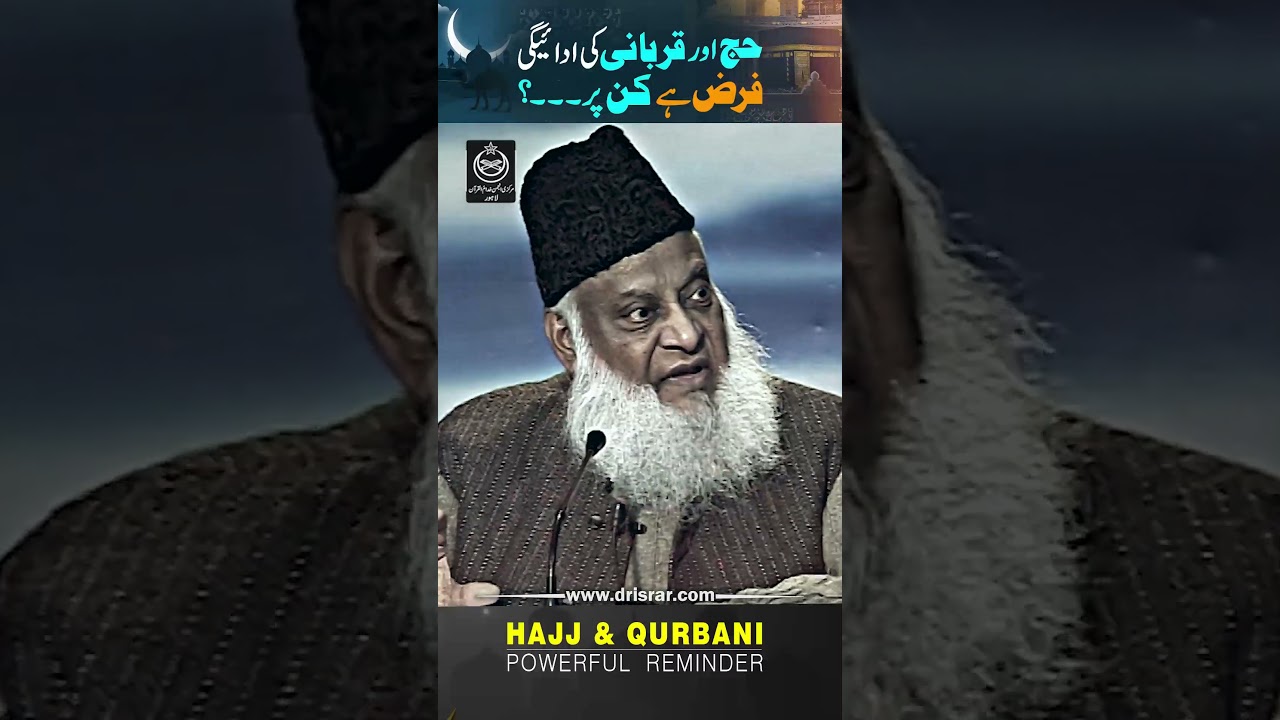
This lecture clarifies the obligation of Hajj for those who possess the means. It explains that Hajj is a debt owed to God, becoming obligatory when one has the physical and financial capacity to perform it, including provisions for travel, accommodation, and sustenance. Delaying Hajj after fulfilling these conditions constitutes a significant sin. The discussion emphasizes fulfilling the rituals and offering sacrifice as integral parts of the pilgrimage.
49
The Quran was the instrument of revolution brought by the Prophet Muhammad (peace be upon him). It transformed minds, altered beliefs, and reshaped value systems. Before, life was the most cherished possession; now, martyrdom is the most welcomed. This revolution, initiated by a single individual, prioritized striving in the way of God over material gain. Surah Al-Furqan emphasizes the directive to not heed the disbelievers and to wage a great struggle through the Quran. The Quran itself was the greatest sword in the hands of the Prophet Muhammad (peace be upon him).
90
