শর্টস
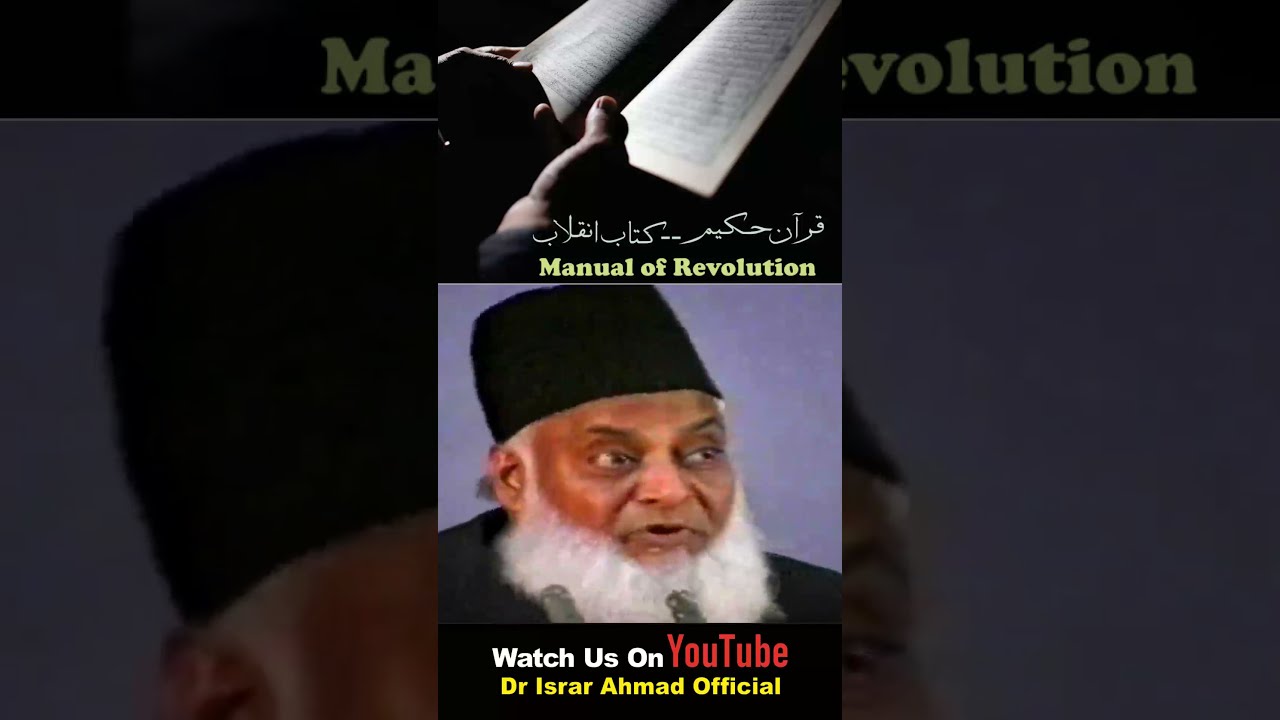
The Quran is not a book for academic study in isolation. Its true meaning reveals itself only through practical application of its teachings—both individually and collectively. The verses descended during a period of active struggle, and understanding them requires embracing that same dynamic spirit. The Quran possessed by those actively striving for good differs from the Quran understood by those who have become stagnant. The Quran’s content is not merely words on a page, but a living force that inspires action and prevents complacency. It’s a manual for revolution, demanding both personal righteousness and societal transformation. The Quran in the hands of a dynamic individual is different than one held by someone inert; it compels movement and evokes emotion.

137

This narrative recounts the brutal torture inflicted upon Hazrat Samia and Hazrat Yasir, early converts to Islam, by Abu Jahl. Despite relentless physical abuse, including being tied to pillars and subjected to intense pain, they refused to renounce their faith. Abu Jahl offered to spare Hazrat Samia's life if she acknowledged the divinity of an idol, but she spat at it, intensifying his wrath. The account highlights their unwavering commitment to Islam in the face of extreme adversity and the prophetic announcement of their eventual reward in paradise, delivered by the Prophet Muhammad (peace be upon him).
62

This lecture examines the decline of the Muslim Ummah due to negligence of religious duties and disregard for the Quran. It draws parallels between the current state and the fate of previous nations who rejected divine guidance, becoming spiritually hardened and ultimately failing to fulfill their potential. The speaker emphasizes that being designated ‘the best of peoples’ carries a responsibility to act upon that status and avoid repeating the mistakes of the past. The hardening of hearts, as described in the Quran, is a critical warning against spiritual apathy and the abandonment of faith. It highlights the importance of internalizing divine teachings and consistently striving for moral and spiritual excellence.
67

Allah tests nations with hardship to make them receptive to guidance. When people are comfortable, they are less likely to listen to truth. Divine strategy involves initial difficulty, followed by respite if they still refuse to heed the message. This pattern continues until a point of no return, after which blessings are withdrawn permanently. The lecture urges listeners to reflect on this cycle and to make the most of opportunities for positive change before it’s too late. It’s a warning against complacency and a call to embrace guidance while it’s available.
63

This lecture explains a crucial Islamic principle: the balance between reliance on God (Tawakkul) and utilizing practical means (Asbab) to achieve goals. The Prophet Muhammad (peace be upon him) rebuked a Bedouin for leaving his camel untethered, emphasizing that true faith requires both trust in God *and* responsible action. The speaker clarifies that simply relying on God without making an effort is incorrect, and neglecting to utilize available resources after making an effort is also a mistake. Results ultimately come from God, but effort is a prerequisite. It is crucial to strive, use resources, and *then* place trust in God for the outcome. True Tawakkul is not passivity, but a confident reliance on God *after* taking all necessary steps.
97

This lecture clarifies the dangers of sectarianism and emphasizes the importance of unity within the Muslim community. It explains that forming separate factions based on personal understanding or lineage is detrimental. The Quran clearly identifies Muslims as a unified body, and adhering to this principle is crucial. The speaker stresses that Muslims should unite under the single identity of ‘Muslim’ as ordained by God, rejecting divisions that arise from differing interpretations or the creation of new groups. It condemns the formation of new sects and emphasizes the importance of remaining unified under the banner of Islam.
53
