Şort
This lecture emphasizes the importance of engaging in reasoned discourse (majadala) rather than mere argument. It stresses responding to opposing viewpoints with wisdom and politeness, aiming to silence them through compelling logic, not aggression. Maintaining a high moral standard during debate is crucial; avoid insults, vulgar language, and descending to their level. Respect for opponents’ beliefs is paramount, even while presenting a counter-argument. The speaker highlights the necessity of engaging with wisdom and good conduct to effectively convey one’s message and positively influence others.

63
This lecture discusses a potential large-scale conflict between India and Pakistan if China and Pakistan strengthen their alliance. The speaker predicts a future Islamic revival originating from the region, even at a significant cost in lives. A key prophecy from Shah Aliullah Dehlavi foretells a time when the upper castes of India will predominantly convert to Islam. The lecture emphasizes the historical trajectory and inevitable changes occurring, acknowledging the inability to prevent these unfolding events.
64
Dr. Israr Ahmad analyzes the Tablighi Jamaat's methodology, asserting its primary appeal is emotional rather than intellectual. He explains how the movement quickly attracts individuals through emotional connection, then immerses them in a new environment for varying periods – three days, four months, or longer – to cultivate a specific mindset and temperament. He emphasizes the airtight logic within their methodology, designed to instill positive intentions and commitments, even if fleeting. The speaker highlights their persuasive tactic of encouraging pledges and intentions, creating a sense of obligation. He notes the group’s effectiveness in securing initial commitments, even if they are not long-lasting.
77
This lecture analyzes the concept of democracy, arguing it often serves as a facade for capitalist control. It critiques the Western democratic model, particularly the American system, asserting it prioritizes wealth and allows only the affluent to participate meaningfully in elections. The speaker contends true democracy requires economic justice, empowering the common citizen before allowing them to vote. The current system, he claims, is a game played by capitalists, leaving the average person disenfranchised and manipulated.
60
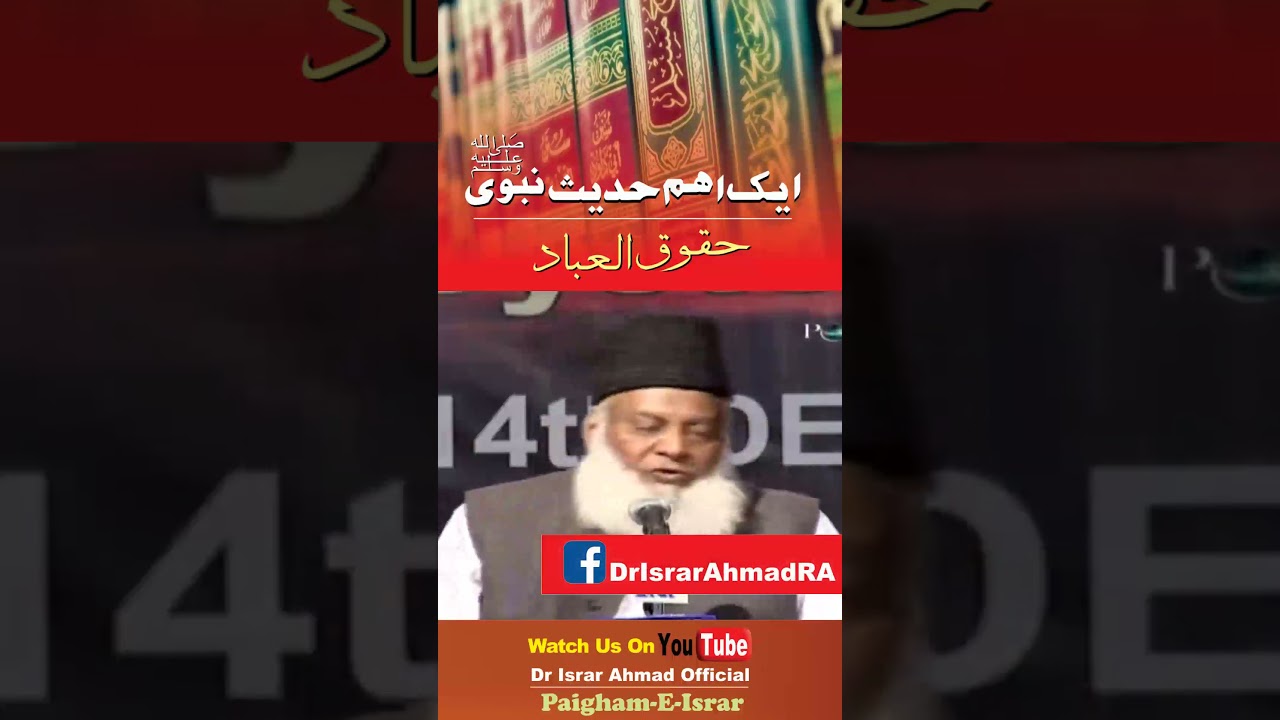
The Prophet Muhammad (peace be upon him) once asked his companions about bankruptcy. They defined it as a lack of wealth. The Prophet corrected them, stating the true bankrupt in his nation will be the one who comes with a large number of prayers, fasts, and pilgrimages, but also with the burdens of having wronged others – having insulted someone, unjustly taken their wealth, or falsely accused them. On the Day of Judgment, these wronged individuals will present their claims, depleting the bankrupt’s good deeds. If the deeds are insufficient, their sins will be transferred to them, leading to their destruction in Hell. This is the true meaning of bankruptcy – a spiritual and moral deficiency.
52
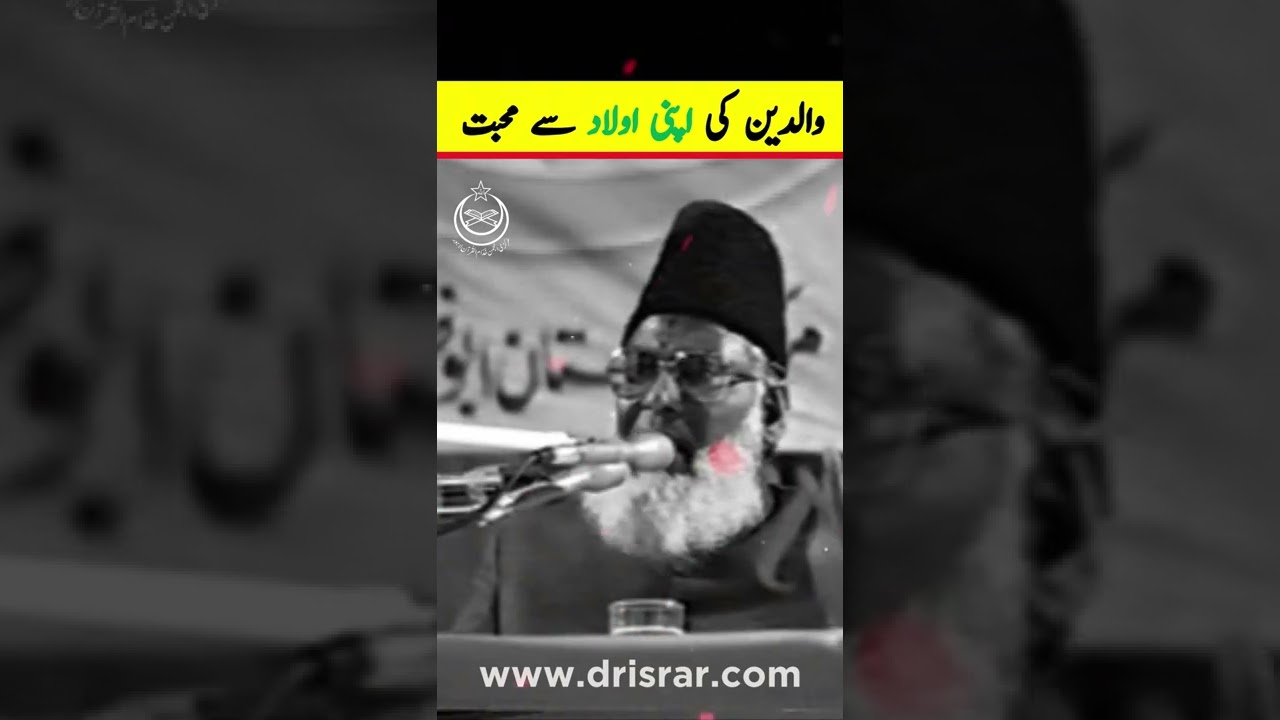
The lecture contrasts the unfeeling existence of animals with the profound emotional experience of parenthood in humans. Animals live without awareness of lineage or suffering, while human parents experience intense grief and sleeplessness when their children are ill or in pain. This highlights the unique burden and depth of parental love and the sacrifices made for one's offspring.
73
