Kurze Hose
This lecture discusses the unique sanctity of Mecca, highlighting its historical role as a place of peace amidst a turbulent Arab society. Despite centuries of tribal conflict, feuds, and cycles of revenge killings, Mecca’s sacred precinct remained a sanctuary. Even those seeking retribution for deeply personal grievances—like the murder of a father—would refrain from violence within its boundaries. This demonstrates Allah’s provision of security and peace to the city, earning it the title 'City of Peace.' This inherent protection continues to be a defining characteristic of Mecca today.

40
This lecture emphasizes a reciprocal relationship with God. True acceptance of prayers hinges on actively aiding God's cause and distancing oneself from those who defy Him. Divine assistance isn’t granted to those aligned with rebellion against God. Becoming a true servant of God guarantees His support, but allegiance to others while seeking divine favor is inconsistent. This is a two-way commitment, not a one-sided expectation. Support from God is earned through unwavering devotion and righteous action.
48

This supplication, recited by Prophet Moses (peace be upon him), seeks divine assistance in fulfilling the challenging task of delivering a message. It requests an expansion of the heart, facilitation of affairs, and removal of speech impediments. The prayer emphasizes the importance of clear communication to ensure the message is understood by all. This dua is essential for anyone involved in da’wah or conveying a message, as it addresses the core need for effective and understandable articulation.
45
This lecture differentiates between *munazra* (debate) and *mujadla* (dialogue). *Mujadla* focuses on invitation and mutual respect, prioritizing the other party’s feelings and aiming to increase wisdom. *Munazra*, conversely, aims for victory and silencing the opponent, characterized by harshness and aggression. The term *munazra* does not appear in the Quran, highlighting a key distinction in approach.
67
This lecture discusses the esteemed position of Hazrat Ali (RA) within Islamic history and theology. It establishes him as one of the rightly guided Caliphs and highlights his exceptional virtues among the companions of the Prophet Muhammad (peace be upon him). The discussion clarifies his rank relative to Abu Bakr, Umar, and Uthman (RA), acknowledging their superior position, while affirming Hazrat Ali’s prominence among all other companions. The lecture focuses on the sequential order of Caliphs according to the Sunni perspective and establishes Hazrat Ali's elevated status within that framework.
94
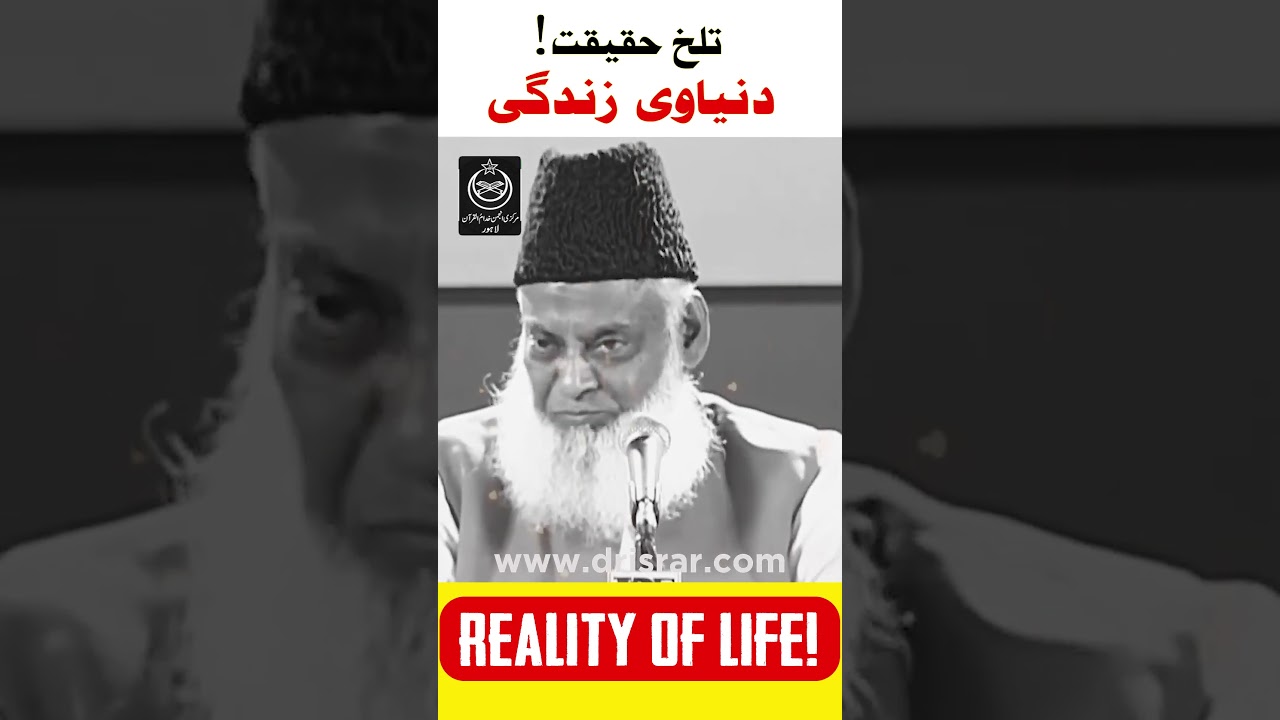
Human existence begins with a call to prayer at birth and concludes with a prayer upon death, differing only in the formalities of the *adhan* and *iqamat*. The time between these two prayers mirrors the brevity of worldly life. This lecture explores the concept that life is essentially the interval between the initial announcement of existence and the final prayer offered at its conclusion, emphasizing the transient nature of earthly existence and the importance of preparing for the afterlife. The formalities observed at birth and death—the *adhan* and *iqamat* at birth and the funeral prayer without them at death—highlight the fundamental transition between these two states.
52
