Shorts

The text discusses the immense scale of future conflicts, referencing battles and wars described in prophetic traditions. It highlights a catastrophic war, described as ‘The Great Battle,’ characterized by widespread death and destruction. The area most affected will be the Arab world. The text emphasizes the severity of this coming conflict, predicting a level of carnage so extensive that even birds will be unable to find a place to land without stepping on corpses.

80
Humanity represents a unique composite existence, embodying both animalistic and spiritual dimensions. This lecture elucidates the multifaceted nature of humankind, highlighting its inherent duality. The human being is a blend of earthly instincts and divine potential, a ‘concoction’ of both the physical and the ethereal. Understanding this complex interplay is crucial to grasping the deeper wisdom embedded within the Quranic verses. Without recognizing this fundamental truth, the profound and intricate layers of Quranic teachings remain inaccessible.
34
The history of Islam doesn't begin solely with the Prophet Muhammad ﷺ; its origins trace back to Prophet Adam. While the historical details from Adam to Moses are less preserved, the Israelites represent the first nation to emerge on the world stage. According to available knowledge, the Israelites were the first nation, and the final nation is the Ummah of Muhammad ﷺ. This lecture explores the historical lineage of Islam, emphasizing its continuity from the earliest prophets to the final messenger.
50
Dr. Israr Ahmad discusses the proper method of Quran recitation, emphasizing the importance of correct pronunciation (tajweed), understanding the meaning, and avoiding superficial artistic displays. He contrasts true Quranic recitation with competitive performances, highlighting that the Quran should enter the heart, not just be a vocal exercise. He warns against reciting Quran while engaging in sinful activities, and stresses that a sincere connection with the Quran strengthens faith and resilience. He also clarifies the difference between *tilawat* (recitation) and *tartil* (rhythmic, meaningful recitation). He cautions against relying solely on eloquent recitation without comprehension, and advocates for learning from qualified teachers to ensure accurate pronunciation and understanding.
119
The lecture defines true piety (taqwa) as being fundamentally rooted in earning a lawful livelihood. Outward displays of religious observance – such as beard length, clothing style, or the performance of numerous prayers and vigil prayers – are meaningless if accompanied by the consumption of unlawful earnings. Any acts of worship performed with illegally obtained wealth are rendered null and void. The core test of piety lies in the purity of one's source of income.
40
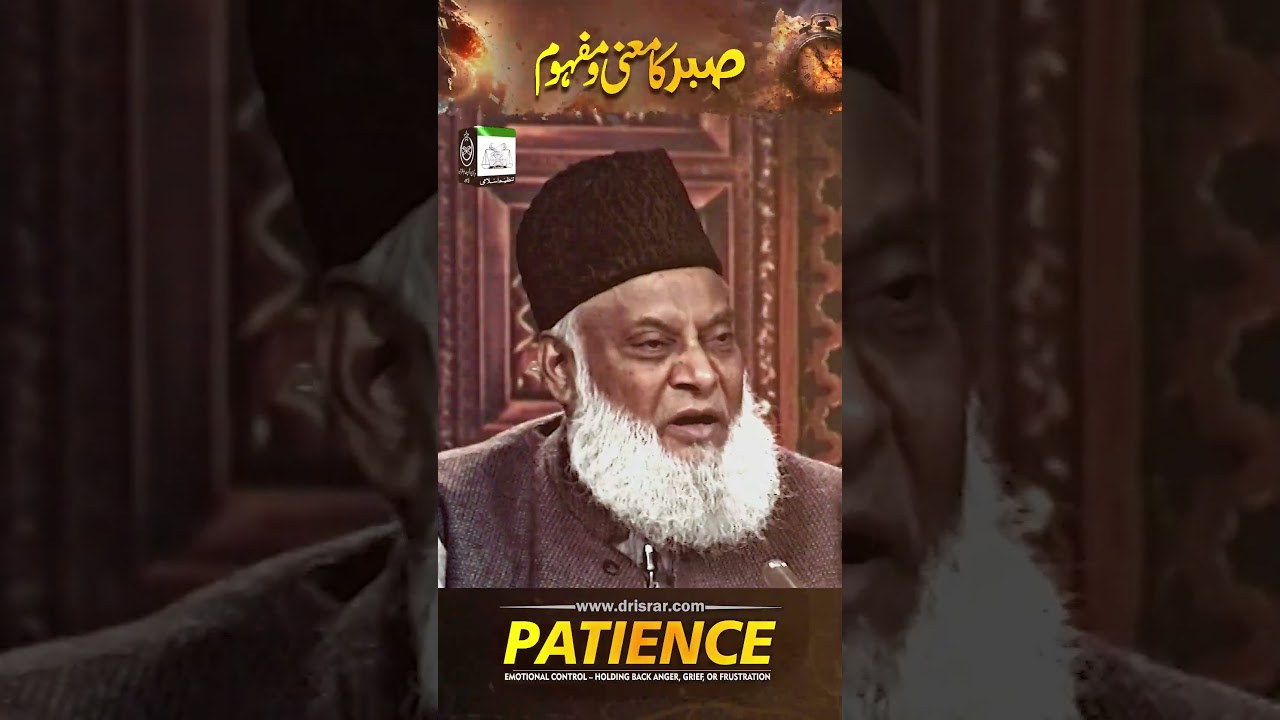
This lecture explores the etymological roots of the word 'Sabr' (patience) in Arabic and its connection to bitter substances historically used for medicinal purposes, specifically blood purification. The speaker details how the act of enduring bitterness—like consuming aloe vera or sour fruits—parallels the internal fortitude required to practice patience. The discussion extends to ancient practices of using aloe vera to preserve bodies, drawing a metaphorical link to its function in ‘cleansing’ and halting decay, mirroring the way patience preserves the soul. The core argument posits that the very essence of patience originates from the ability to withstand hardship and unpleasantness.
45
