Shorts
Human existence is defined by aspiration and purpose. Every individual has an ideal or a driving force. Those solely focused on basic needs – eating, procreating, and raising children – live on a purely instinctual level, akin to animals. True humanity lies in defining a higher purpose, particularly the love and devotion to God. This lecture emphasizes that the ultimate purpose of life is to seek and love God, making Him the sole objective and desire. Living and dying should be dedicated to this pursuit.

49
The speaker discusses the erosion of fundamental human morality within the Muslim community of the Indian subcontinent, attributing it to roughly two centuries of colonial rule. This subjugation has diminished the inherent strength of character, leading to a prevalence of insincere promises and a lack of steadfastness. The speaker emphasizes that these core ethical principles are universal, present even among non-Muslims, yet historically lacking in certain tribal groups. A key point is the collective weakness in upholding commitments and demonstrating resilience.
68
The Prophet Muhammad (peace be upon him) was asked about the most virtuous form of migration. He responded that the most excellent migration is abandoning everything displeasing to God. This necessitates a personal assessment of one’s life and the eradication of actions contrary to the spirit of Islamic law. The lecture emphasizes immediate action, stating that the time for rectifying oneself is now, before it is too late. It's a call for sincere repentance and a commitment to living a life aligned with divine guidance.
230
This lecture explores the fundamental importance of justice (Adl) in Islam, referencing Surah Aal-e-Imran and emphasizing the divine mandate for establishing equitable systems. It details how prophets were sent with clear teachings, scriptures, and a balance of rights and responsibilities—defining obligations for all levels of society, from individuals to employers and employees. The discussion highlights the consequences of neglecting justice and the impact of large-scale religious observances like Hajj on societal change. While rituals remain, the underlying spirit of striving for justice must be preserved. God sent messengers and revealed books so people could stand firm on justice.
41
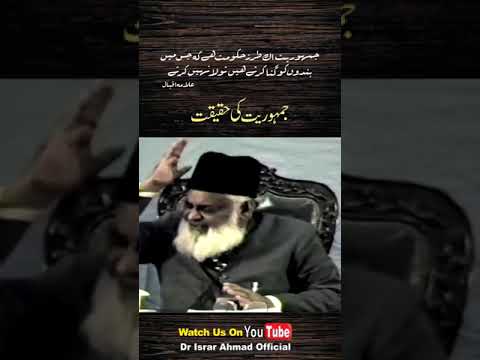
This lecture analyzes the concept of democracy, arguing it often serves as a facade for capitalist control. It critiques the Western democratic model, particularly the American system, asserting it prioritizes wealth and allows only the affluent to participate meaningfully in elections. The speaker contends true democracy requires economic justice, empowering the common citizen before allowing them to vote. The current system, he claims, is a game played by capitalists, leaving the average person disenfranchised and manipulated.
54
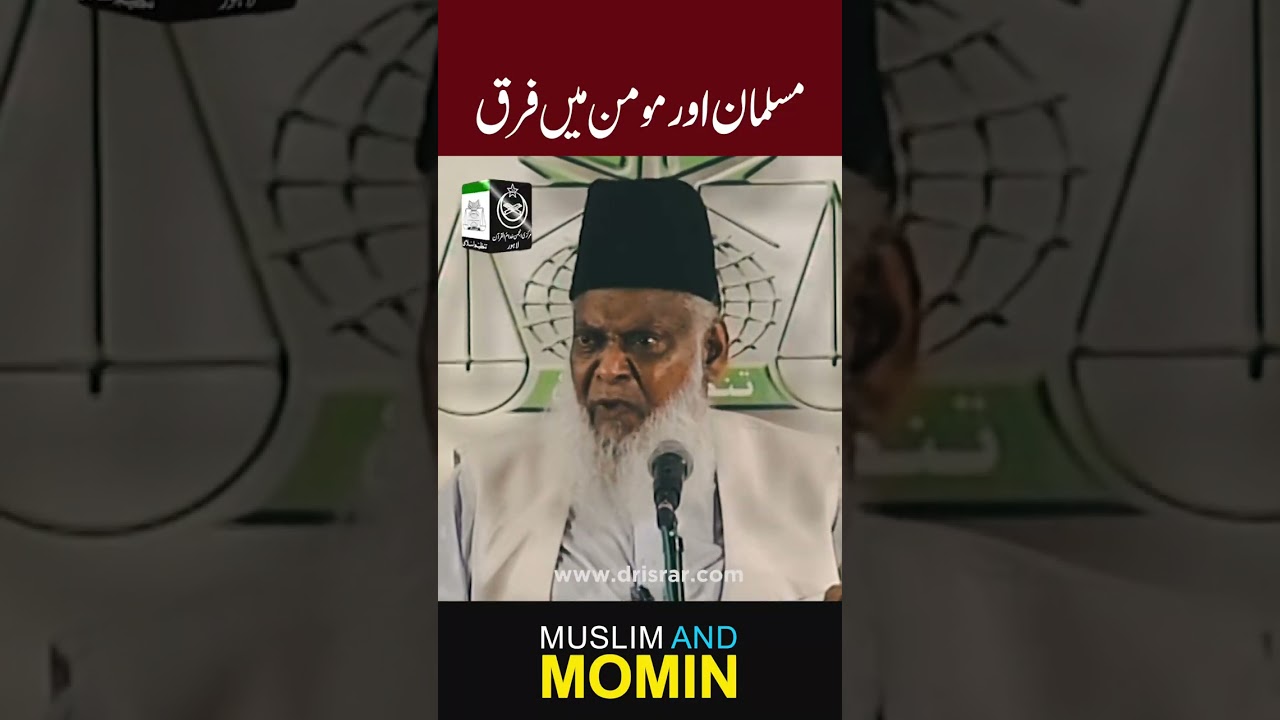
The lecture clarifies the distinction between being a Muslim—one who outwardly professes the faith—and a *mumin*—a true believer. It explains that merely claiming faith is insufficient; genuine belief requires complete trust in God and His Messenger, coupled with striving in His path with both wealth and life. The speaker references Surah Al-Hujurat, verse 14, highlighting that true faith enters the heart and manifests in dedicated action and sacrifice. A Muslim may adhere to the rituals, but a *mumin* embodies the complete essence of faith through unwavering dedication and continuous struggle for the sake of Allah.
69
