Şort

True faith stems from acting solely for the pleasure of God. This lecture explains that complete devotion requires loving and hating, giving and withholding, all motivated by a desire to please God alone. Genuine goodness isn’t merely outward action, but the purity of intention behind it. A believer’s actions—love, dislike, generosity, and restraint—become complete when driven by a sincere desire for God’s acceptance and satisfaction. This complete devotion defines the essence of faith.

54
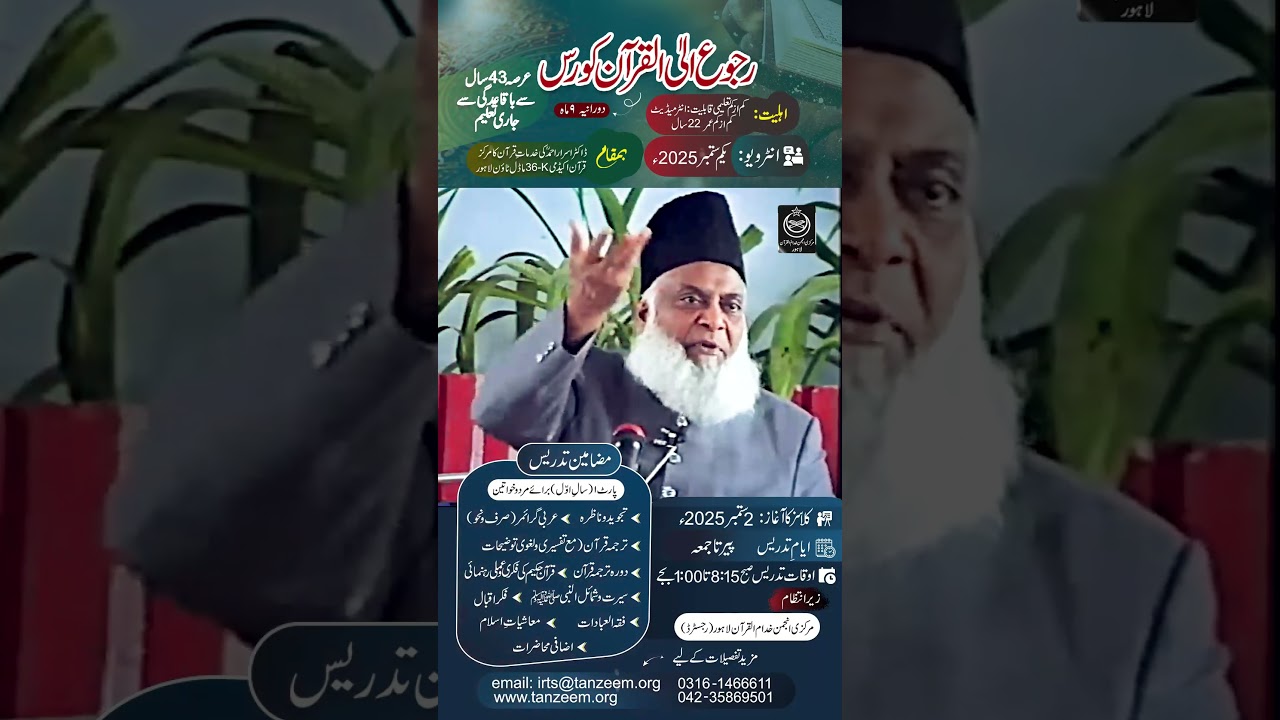
This lecture emphasizes the necessity of personal repentance (tawbah) and its expansion into a collective movement. It urges listeners to prioritize learning Arabic to properly understand and convey the Quran, as the primary medium for inviting others to the faith. The speaker stresses the urgency of life, the potential for unforeseen circumstances, and the importance of dedicating time to religious education and the preparation of a dedicated group (da'i) committed to spreading the message of Islam. He shares his life's dedication to Quranic study, teaching, and the organization of a committed group, viewing this as a vital struggle for the faith. The ultimate goal is the growth of a movement devoted to upholding and propagating Islamic principles.
52

The essence of worship lies in the interplay between love and obedience. Obedience represents the visible form of worship, while love is its underlying spirit. True worship stems from a genuine affection for the Divine, transforming acts of obedience into meaningful devotion. Without love, obedience becomes a mere formality, potentially driven by compulsion, pretense, or self-interest. The body exists because of the soul; similarly, worship exists through the spirit of love. Love animates obedience, giving it life and sincerity. Without this animating force, obedience remains an empty shell.
44

This lecture emphasizes the severity of spreading unverified information. Simply repeating what one hears without investigation constitutes a form of falsehood, even without malicious intent. The speaker stresses the importance of verifying information before sharing it, as relaying unconfirmed news contributes to the spread of lies. Repeating hearsay, even without intending to deceive, makes one complicit in the dissemination of falsehoods. The lecture advocates for careful consideration and verification before speaking.
59
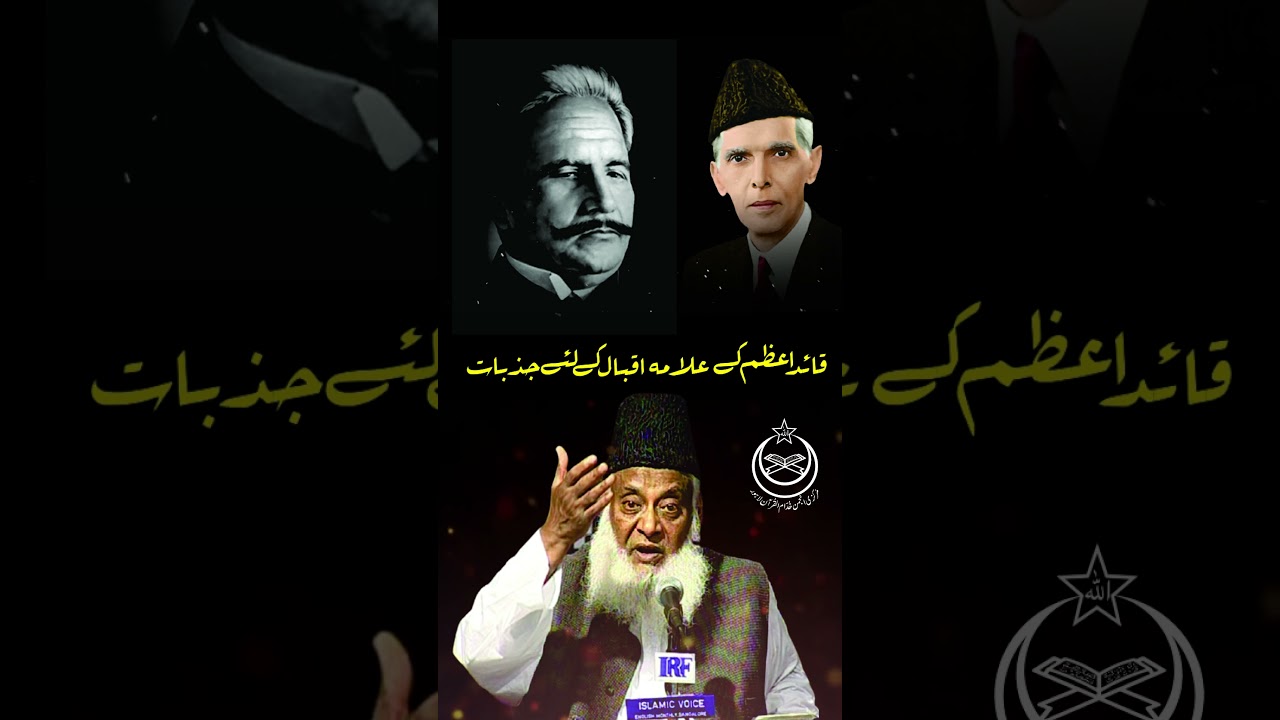
This lecture discusses the precise and deliberate manner of speech employed by Muhammad Ali Jinnah. It highlights that Jinnah was not one to engage in frivolous talk, but rather carefully considered each word before speaking. The speaker emphasizes Jinnah's commitment to accuracy and thoughtfulness in his communication, contrasting it with superficial rhetoric.
65

This lecture explores the profound connection between the call to prayer (azan) at birth and the funeral prayer (janaza) at death. It posits that life is an interval akin to the time between the azan and iqamat, and the subsequent prayer. The speaker draws parallels between these ritualistic acts, suggesting that birth and death are bookends to a temporary existence. The lecture highlights the transient nature of worldly life, framing it as a brief pause between two states of being, emphasizing the importance of reflection and spiritual awareness.
62
