Corti
This lecture details the four characteristics that define a complete hypocrite, and the presence of even one of these traits indicates a degree of hypocrisy. These characteristics are: disloyalty when entrusted, lying when speaking, breaking promises, and losing control during disputes, escalating to abusive language and physical aggression. The speaker explains that true conflict resolution requires self-control and adherence to truthfulness, while the traits of a hypocrite lead to societal breakdown and discord. The lecture emphasizes that even a small amount of hypocrisy can be damaging and requires immediate self-correction.

73
The lecture clarifies the distinction between being a Muslim and a true believer (Momin). Simply identifying as a Muslim based on lineage is insufficient; genuine faith requires complete submission to God and His Messenger, unwavering conviction, and active struggle in the path of God with both wealth and life. The speaker references Surah Al-Hujurat, verse 14, emphasizing that true faith enters the heart and is demonstrated through action, not merely claimed through words. Those who genuinely believe are those who strive in the way of Allah with their possessions and lives.
91
The lecture discusses the practice of adorning sacrificial animals with silk cloths and parading them, deeming it a display of wealth rather than a spiritually meaningful act. True sacrifice, it emphasizes, should stem from inner piety and submission to God. The speaker highlights that genuine devotion lies in humility and sincere worship, referencing the verse encouraging the Prophet to give glad tidings to those who are humble before God. The focus is on the internal state of the worshiper, not outward show.
57
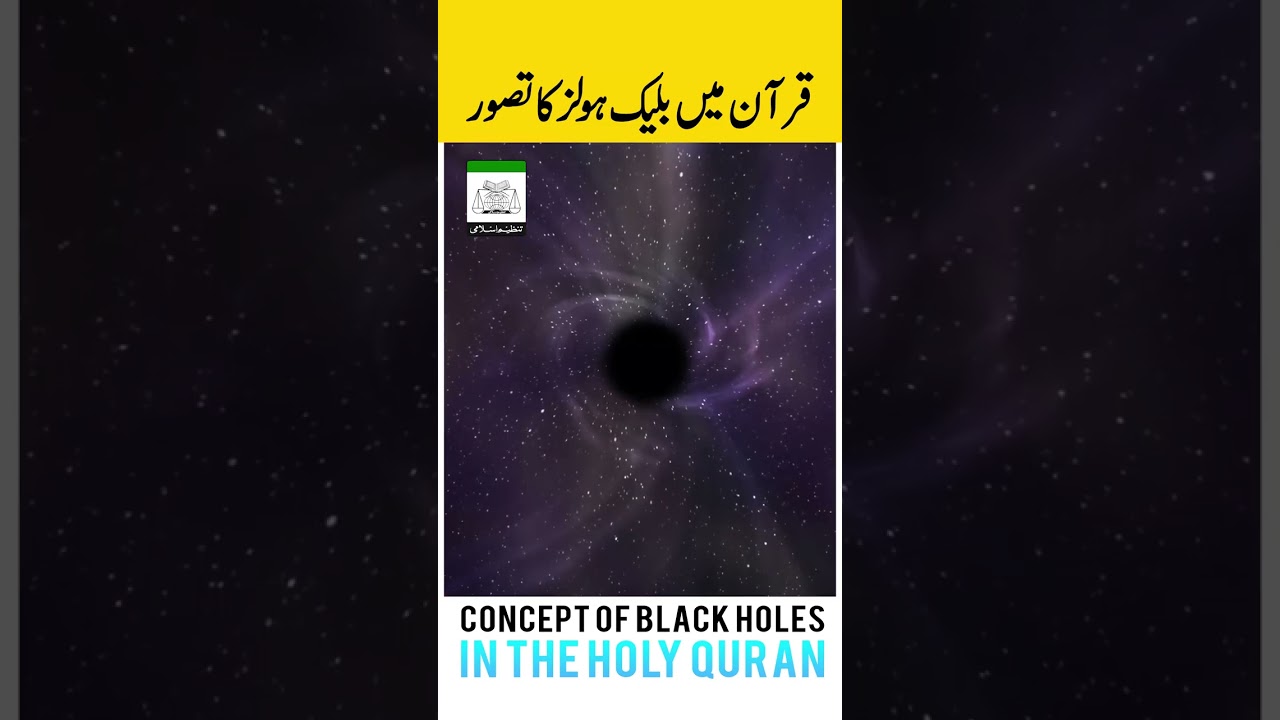
This lecture explores the profound significance of stellar phenomena as described in religious texts. It discusses the locations where stars disappear, emphasizing that the fading of stars represents more than just astronomical events; it symbolizes the disappearance of entire galaxies. The lecture highlights the scale of cosmic events, suggesting that the disappearance of galaxies is a monumental occurrence. It also touches on the concept of lost civilizations and the eventual fate of all things, referencing a great testimony being gradually revealed and a period of waiting associated with these celestial events.
68
Many people follow religious scholars, and had these scholars guided the nation correctly, the current system would not have persisted. These scholars wasted their influence by participating in political games, shifting alliances and constantly changing sides. This pursuit consumed valuable time that could have benefited the nation. Furthermore, even sincere scholars, when demanding change, have focused on Islamic law, not a complete Islamic system.
62
This lecture discusses the significance of sacrifice, specifically the practice of offering animals during Eid al-Adha. It explains that sacrifice is a universal practice ordained by God for every community throughout history. The discussion highlights the historical context of animal sacrifice, particularly the use of camels in Arab culture, and connects this practice to a deeper spiritual relationship with God. The act of sacrifice, whether a camel, goat, or other animal, serves as a symbolic offering and a demonstration of devotion, ultimately bringing blessings and goodness to the believer.
68
