Kratke hlače
This lecture discusses the internal and external forces that incite the ego (nafs) to evil. It identifies both invisible forces—Satan and his jinn followers—and visible agents among humans who promote immorality as culture. The speaker emphasizes the necessity of actively resisting these pressures and recognizing Satan as an enemy to protect oneself from corruption and maintain spiritual integrity. Succumbing to these influences leads to spiritual decline and moral degradation. The core message is a call to vigilance and proactive opposition against all forms of evil.

61
This lecture clarifies the minimum requirements for salvation according to Islamic teachings. It emphasizes that faith combined with righteous deeds is essential, not merely faith alone. While varying degrees of reward exist, a baseline of belief and good actions is non-negotiable for securing salvation. The speaker addresses the misconception that abundant good deeds can automatically compensate for a preponderance of sins, highlighting that consistent faith and good works are the fundamental criteria for attaining divine forgiveness and entering Paradise. It explains that while higher ranks in Paradise may require greater effort, basic salvation is predicated on fulfilling these essential requirements.
45
This lecture discusses the inevitability of trials and tribulations, referencing a prophetic warning about a significant upcoming trial. Hazrat Ali inquired about the means of escape during this trial, prioritizing practical solutions over seeking to understand the ‘why’ or ‘how’ of its occurrence. The Prophet Muhammad (peace be upon him) responded that the Quran is the path to safety and deliverance during times of hardship. The focus is on proactive preparation and seeking refuge in divine guidance rather than solely analyzing the nature of the trial itself.
52
This lecture emphasizes the importance of dying in a state of submission to God. It cautions against the dangers of dying while disobeying divine commands, highlighting that repentance may not always be possible before death. The speaker uses examples of individuals who died in states of disobedience, such as intoxication, to illustrate the gravity of the situation. The ultimate message is to live a life of constant vigilance and obedience, ensuring that death finds one in a state of faith and submission. Every moment should be guarded against transgression, and a life dedicated to God’s commands is essential for a peaceful and accepted death.
68
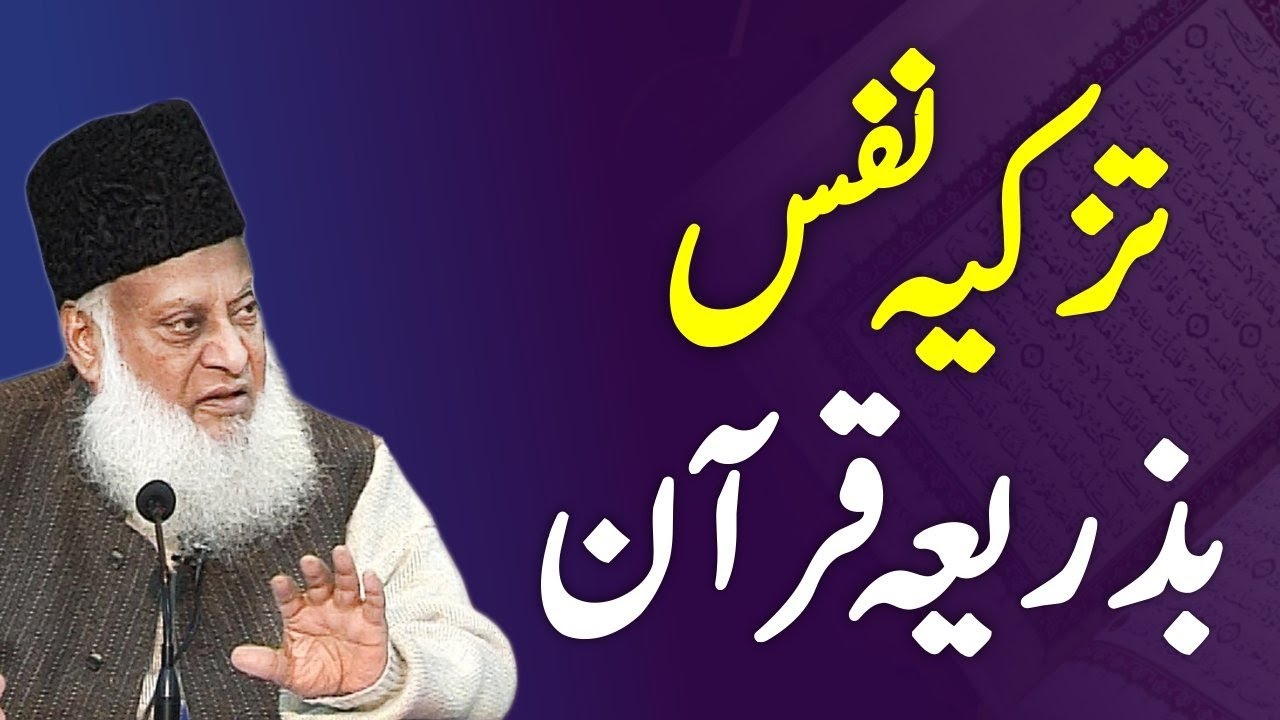
Dr. Israr Ahmad comprehensively explains the profound concept of *tazkiya* (self-purification) as outlined in the Quran. He breaks down the process into four essential stages: purification of thought (*tathir-e-fikr*), purification of the *nafs* (lower self), purification of the heart (*tasfiya-e-qalb*), and illumination of the soul (*tajalliy-e-ruh*). He emphasizes that true progress requires removing obstacles to spiritual growth, addressing both internal and external influences. The lecture highlights the Quran as the primary tool for *tazkiya*, detailing how it affects the intellect, the heart, and the soul. Dr. Ahmad draws parallels between the Quran's wisdom and the purification process, explaining how its verses resonate with the human spirit. He concludes by referencing the teachings of Iqbal and Hadith, further illustrating the importance of confronting and reforming the inner self, and how the Quran can transform an individual’s life.
180
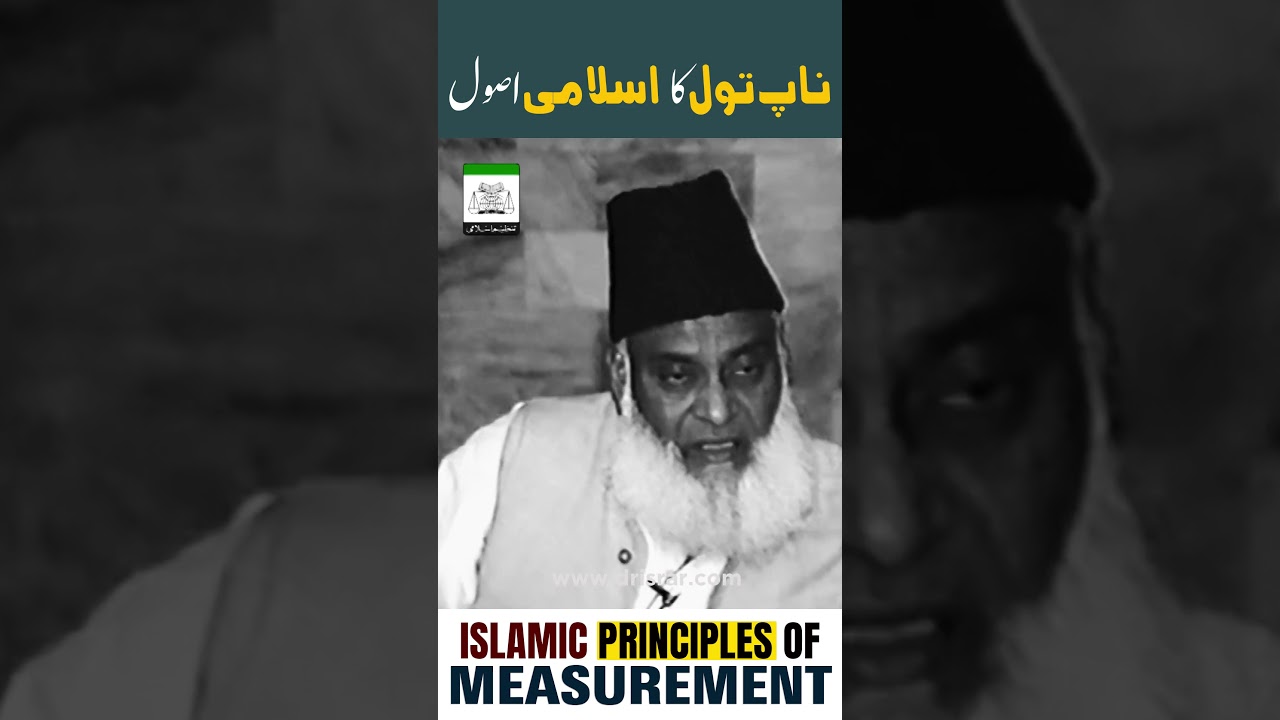
This excerpt emphasizes the importance of honesty and fairness in all dealings, specifically in trade and measurement. It instructs individuals to fulfill measures completely when selling and to use straight scales when weighing, ensuring accuracy and equity. The text highlights that adhering to these principles leads to a better outcome and overall goodness. It’s a call for ethical conduct and just practices in all aspects of life, promoting a society built on trust and integrity.
63
