السراويل القصيرة
This lecture discusses the subtle forms of *shirk* (associating partners with God) that arise from prioritizing personal desires (*nafs*) over divine guidance. It explains how attachment to wealth and material possessions can become a form of idolatry, even while outwardly professing faith. The speaker emphasizes that true *tawheed* (monotheism) demands complete submission and obedience to God alone, rejecting any form of worship or devotion directed towards worldly things. The dangers of prioritizing wealth over ethical boundaries are highlighted, comparing this to the idolatry found in other religions. The core message is a call to purify worship and ensure that all actions are solely for the pleasure of God.

55
This lecture emphasizes that propagating the message of Islam is no longer the sole responsibility of prophets, but a collective obligation incumbent upon the entire Muslim community. It argues that Muslims must actively convey the faith through their actions and outreach, becoming living examples of its principles. Failure to do so will result in a negative testimony on the Day of Judgment, with the community being held accountable for not upholding the legacy of the Prophet. The speaker stresses that establishing a clear argument for faith before all of humanity is a fundamental duty, requiring dedication of resources and abilities to effectively spread the message of Islam.
214
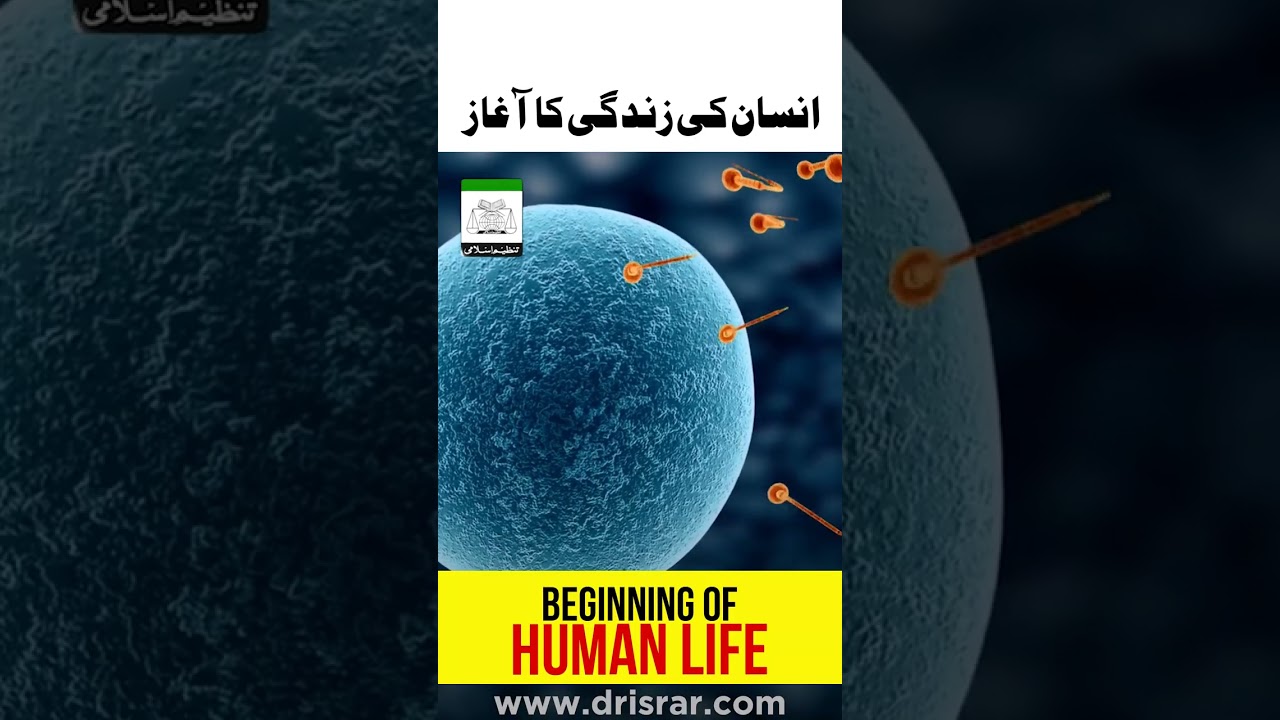
Modern microscopic observation confirms the Quranic description of human origins as detailed in Surah Qiyamah. The verse referencing the initial state as ‘nutfa’ (a drop) aligns with scientific understanding of fertilization. Microscopic analysis reveals the active, living spermatozoa originating from the male contribution, demonstrating life’s commencement at conception. The video elucidates that life does not begin 120 days after fertilization, but from the very beginning, supporting the Quranic account.
62
Maintaining balance between the oneness of God and love for the Prophet is crucial. Obedience to God and the Prophet are equal in importance, but one follows God's commands while the other emulates the Prophet’s example. Following the Prophet is obligatory, achieved through action, not just claims. Any practice that claims to follow the Prophet without enacting it is fraudulent and creates a distinction between truth and falsehood. True adherence to the Prophet is demonstrated through practical application of his teachings.
69
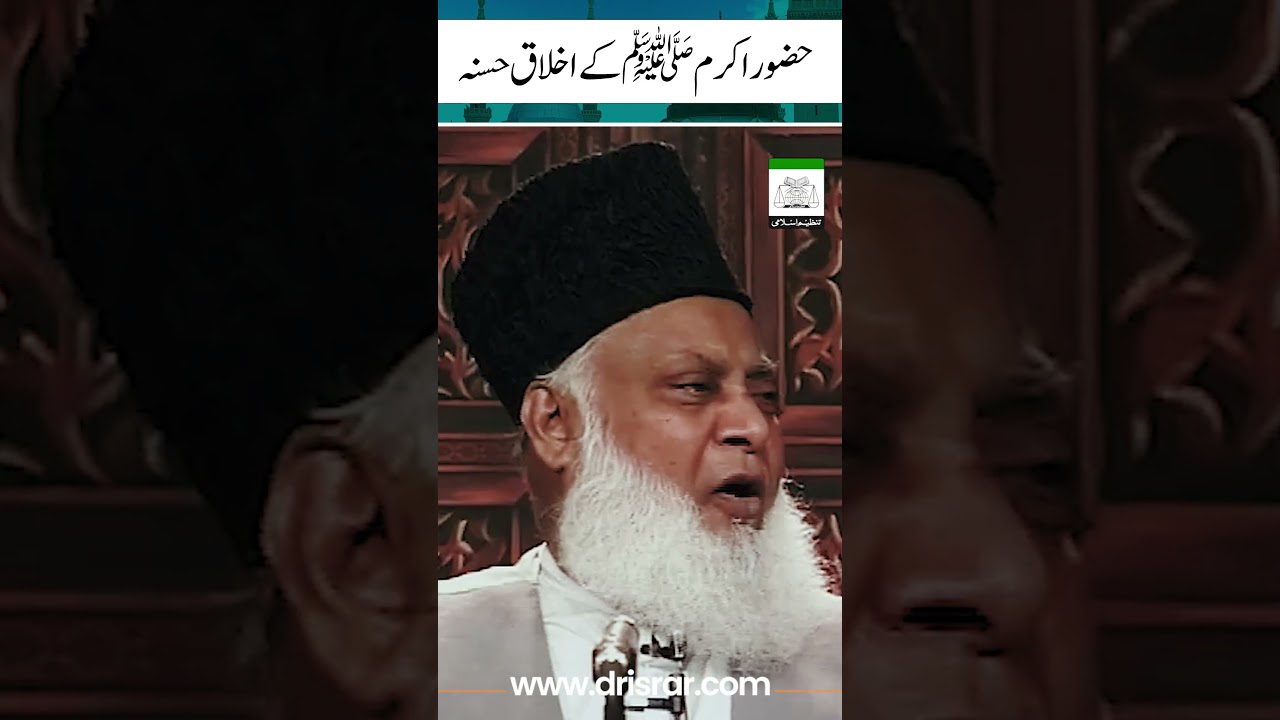
Dr. Israr Ahmad discusses the Prophet Muhammad’s (peace be upon him) remarkable humility and integration with his companions. He emphasizes the Prophet’s deliberate choice to present himself as an ordinary human being, eschewing any display of special status or privilege. The Prophet actively discouraged people from standing upon his arrival and mingled freely with his followers, sitting among them without distinction. This demonstrated a profound commitment to equality and accessibility, fostering a sense of unity and brotherhood among the early Muslim community. The speaker highlights that the Prophet’s approach was a conscious effort to remove barriers between himself and his companions, encouraging genuine connection and spiritual growth.
45

This lecture explores the concept of commitment and its manifestation in various agreements, from simple employer-employee contracts to the complex social contract of marriage. It emphasizes that upholding one's commitments isn't contingent on external oversight, but stems from internal integrity and adherence to the terms agreed upon. The speaker highlights the responsibilities within marriage – the husband’s provision of sustenance, shelter, and the wife’s corresponding duties – framing marriage as a solemn social agreement demanding mutual respect and fulfillment of obligations.
43
