Shorts

This lecture details three elements that lead to salvation and three that lead to destruction. Salvation is achieved through fear of God in both private and public, speaking the truth regardless of anger or pleasure, and fulfilling one’s obligations. Destruction stems from following one's desires, excessive love of wealth, and self-admiration. The most destructive of these is a bloated ego and considering oneself superior.

45
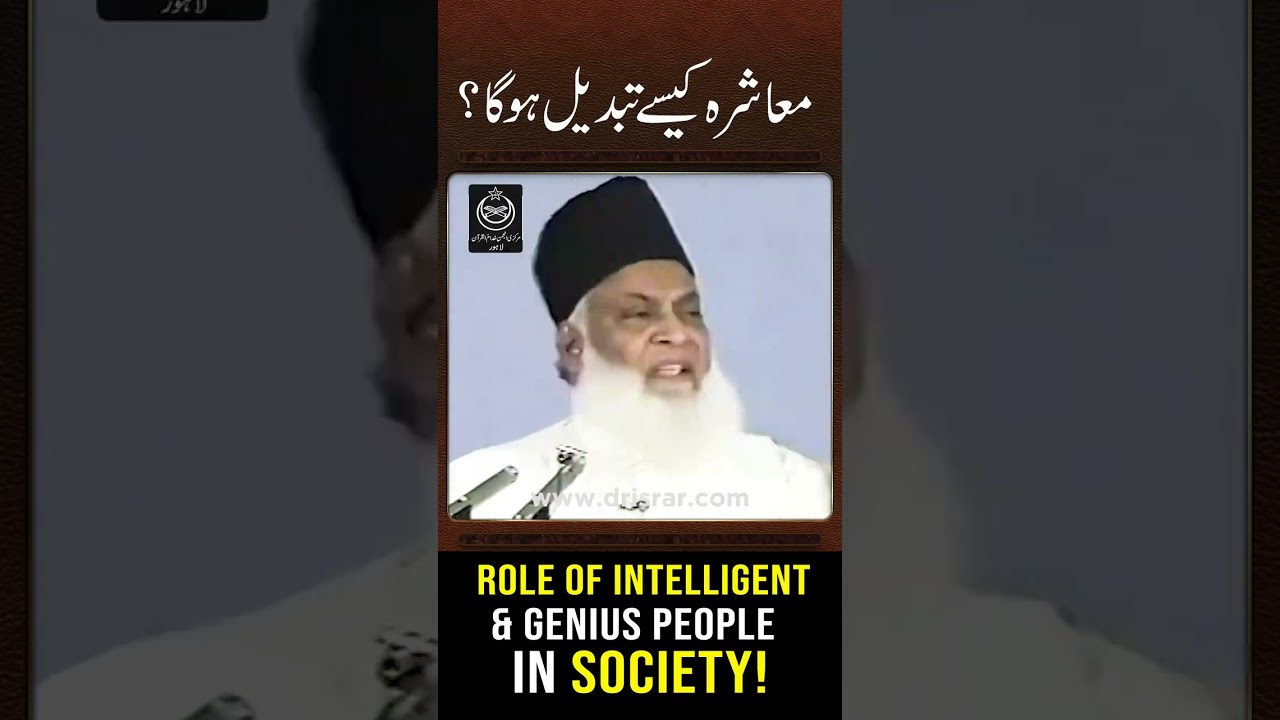
This lecture emphasizes that societal change is impossible without first changing individuals. The speaker argues that focusing on transforming individuals is more impactful than attempting to directly alter the collective. A core point is that a powerful intellectual class, or 'brain trust', must be engaged to facilitate this individual transformation. Without addressing the core beliefs and mindset of individuals, systemic change will remain elusive. The lecture prioritizes the empowerment of individuals as the primary driver of societal progress.
55

This lecture discusses the inevitability of trials and tribulations in the lives of believers, referencing historical hardships faced by early Muslims, particularly during times of famine and war. It emphasizes that these tests are not punishments, but opportunities to demonstrate patience and faith. The speaker recounts instances of extreme hunger experienced by companions of the Prophet Muhammad (peace be upon him), highlighting their resilience and sharing of limited resources. The core message is that enduring hardship with patience brings divine reward and strengthens one’s connection with God.
53

This lecture discusses the significance of Friday sermons (Jum'ah) as a weekly reminder of life's true purpose: seeking the pleasure of God. It emphasizes that worldly possessions are merely necessities, not ultimate goals. The speaker highlights the importance of regularly renewing one's commitment to faith, clearing away distractions, and continuously seeking knowledge and spiritual training. The weekly gathering serves as a forum for reaffirming core beliefs and strengthening the foundations of faith, much like a revolutionary movement dedicated to God.
68
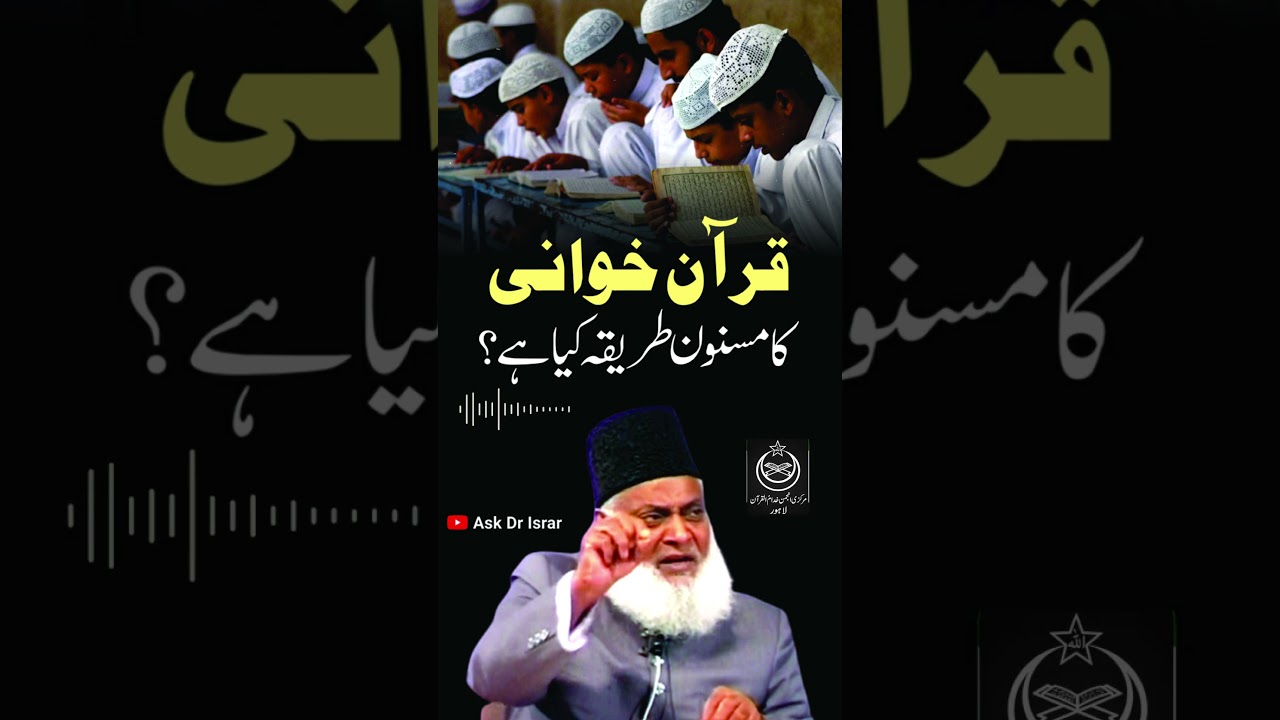
Dr. Israr Ahmad clarifies that the practice of collective Quran recitation for reward (sawab) is an innovation not found in Islamic tradition. True Quran recitation involves individual or attentive listening to a skilled reciter. He condemns the practice of dividing the Quran amongst multiple people to read portions as disrespectful and a form of mockery towards the scripture. The proper way to engage with the Quran is through personal recitation and focused, reverent listening.
67

Human beings have a limited capacity for repentance and return to faith. As prejudice and obstinacy increase, individuals reach a point of no return, where their hearts are sealed by God. This sealing is not a sudden event but a gradual process resulting from consistent rejection, denial, and stubbornness. Once sealed, faith becomes impossible. This parallels the Quranic verse in Surah Baqarah, describing those who persistently reject guidance. The sealing affects their hearts, hearing, and vision, leaving them subject to divine punishment.
49
