Shorts

This poem reflects on the cyclical nature of struggle and disappointment in pursuing a revolutionary purpose. It acknowledges the inevitability of setbacks and the potential for repeated failure, emphasizing the need for unwavering preparation and resilience. The speaker accepts that effort, even if ultimately unsuccessful, is a necessary part of striving for change. It stresses the importance of continuous preparation for future endeavors, even in the face of repeated defeats, and cautions against losing resolve or abandoning the pursuit of a greater goal. The poem speaks to the persistent hope for a better future despite the constant threat of ruin, and the need to nurture the seeds of change even in barren soil.

54
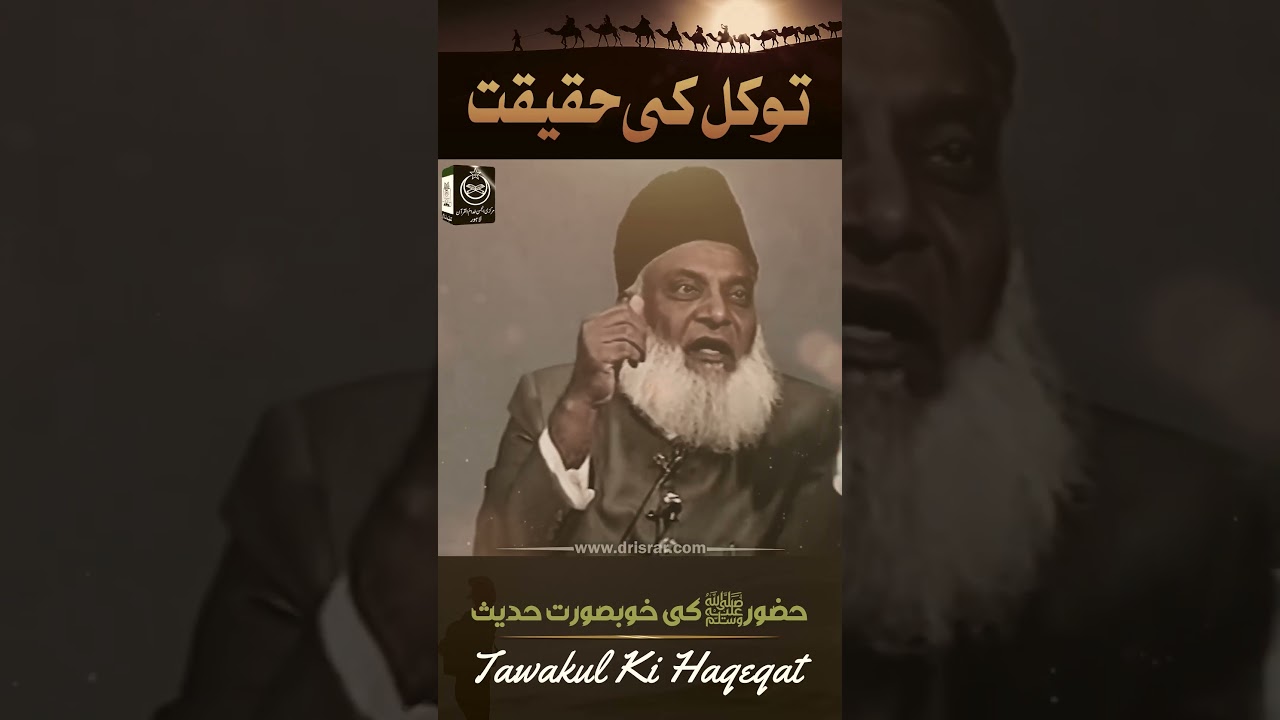
Dr. Israr Ahmad discusses the balance between intellect and emotion, emphasizing that while reason guides us in understanding goals and direction, it is passion that fuels action. He uses the analogy of an Arab Bedouin tying a rope to their camel’s leg to prevent escape, representing practical precautions. The Bedouin then ties the rope to their head to symbolize a commitment to a path, trusting in God after taking necessary steps. He illustrates this with the story of Prophet Ibrahim and the fire of Nimrod, highlighting that faith should not negate responsibility or practical measures. True devotion requires both action and reliance on a higher power, and prioritizing worldly survival over divine purpose is unacceptable.
48

Dr. Israr Ahmad explains that God desires ease, not hardship, for his followers. The lecture addresses a misguided perception of piety where individuals stubbornly adhere to fasting even in conditions of extreme physical strain, such as during travel or illness. This rigid adherence, he argues, stems from a flawed understanding of religious obligation and fosters extremism. True faith, according to Dr. Ahmad, prioritizes ease and practicality, aligning with God’s desire for simplicity. The lecture highlights the importance of balancing religious observance with physical well-being and common sense.
70

This lecture emphasizes perseverance in the face of adversity and detachment from worldly concerns. It asserts that genuine spiritual progress isn't measured by visible success but by sincere effort and complete surrender to God. The speaker stresses that one should not be disheartened by a lack of immediate results, as true reward lies in divine acceptance. It warns against superficial displays of sacrifice and highlights the importance of complete submission, offering everything to God, not just symbolic gestures. Ultimately, the message encourages consistent striving, regardless of worldly outcomes, with the assurance of divine reward.
56

This lecture explores the dual nature of *dawat* (invitation) and *tabligh* (propagation). It clarifies that both involve conveying a message and guiding someone toward a particular path. *Dawat* focuses on reaching out and delivering the message, while *tabligh* emphasizes bringing someone along that path, accepting the invitation. The lecture highlights that these are not separate actions, but two sides of the same effort—communicating a message and encouraging acceptance. The speaker emphasizes the importance of conveying the message and guiding others towards righteousness.
53
The lecture discusses the difference between reciting or listening to the Quran merely for information versus acting upon its teachings. The companions of the Prophet Muhammad (peace be upon him) immediately assessed their ability to fulfill the commands of each verse revealed. When the verse commanding adherence to *taqwa* (God-consciousness) was revealed, they questioned how anyone could fully fulfill God’s right to it. A subsequent verse clarified that individuals should strive to fulfill God’s commands to the best of their ability, recognizing the limitations of human capacity. The core message emphasizes sincere intention and striving within one's means.
58
