Shorts

True prayer transcends ritual; it’s a direct communion with God, achieving a spiritual ascent akin to *mi'raj*. This lecture emphasizes that the essence of prayer lies in a conscious awareness of God’s presence and heartfelt submission. Without this spiritual awakening, even diligent performance of obligatory prayers remains incomplete. The speaker stresses that a dormant or ‘dead’ soul cannot experience this profound connection. Reviving the soul is crucial to unlock the true potential of prayer and achieve a state of direct communication with the Divine.

59
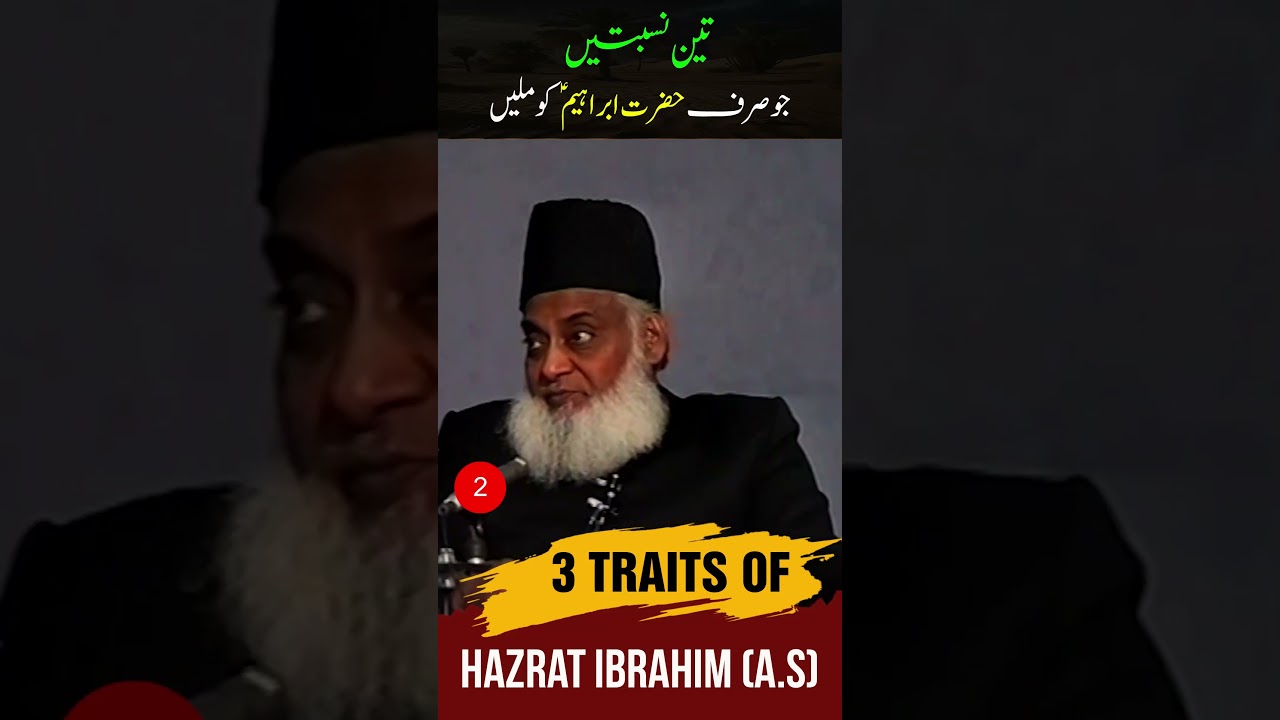
This lecture explores the unique relationship between Prophet Ibrahim (Abraham) and God, highlighting his status as a close friend (Khalil) of God as mentioned in the Quran. It details how God chose Ibrahim as an Imam (leader) for humanity and traces the lineage of prophets through his descendants, ultimately leading to Prophet Muhammad (peace be upon him). The lecture emphasizes the continuous chain of prophets spanning 1400 years, from Moses and Aaron through Jesus and John, culminating in the prophethood of Muhammad (peace be upon him). It underlines Ibrahim's pivotal role in the history of divine guidance.
68
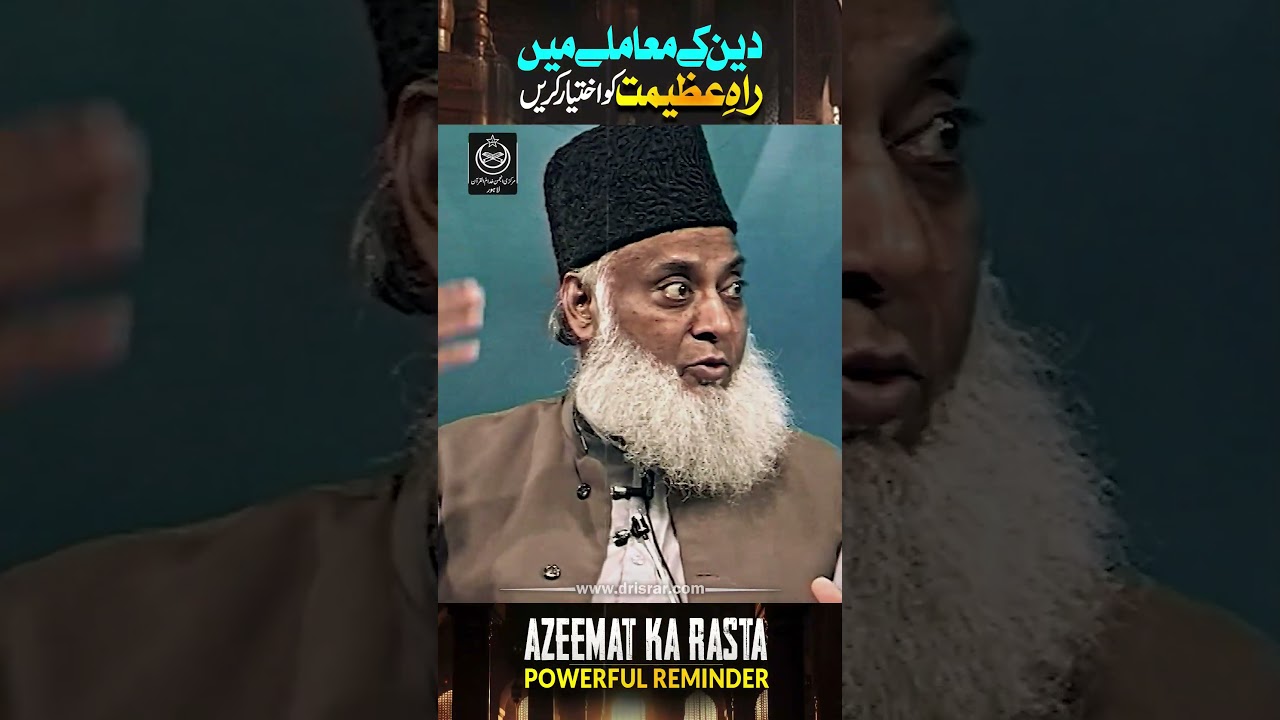
This lecture emphasizes the importance of actively listening to guidance and striving for the highest standards in faith. It contrasts a worldly acceptance of ‘good enough’ with the Islamic imperative to continually improve and pursue excellence ('ihsan'). The speaker highlights that faith is not static, progressing from Islam to Iman to Ihsan, and encourages listeners to adopt a mindset of continuous improvement in their spiritual journey. Accepting minimum requirements is discouraged; instead, a commitment to the best possible path is advocated.
70
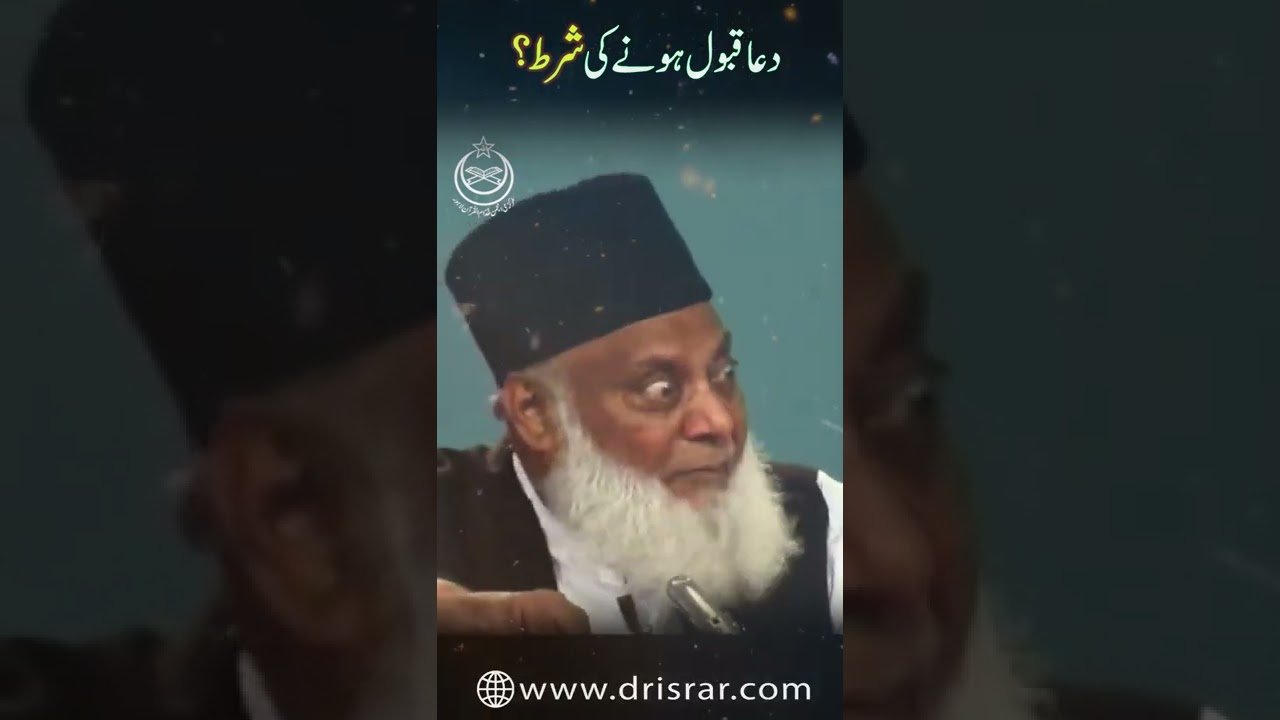
God states that direct communication is possible without intermediaries. Acceptance of His commands and adherence to His teachings are essential for answered prayers. He is ever-forgiving and accepts repentance. God responds to every call for help, but requires obedience, attentive listening, sincere belief, and practical implementation of His guidance. He is the most merciful and responds to those who turn to Him with sincerity and commitment.
77
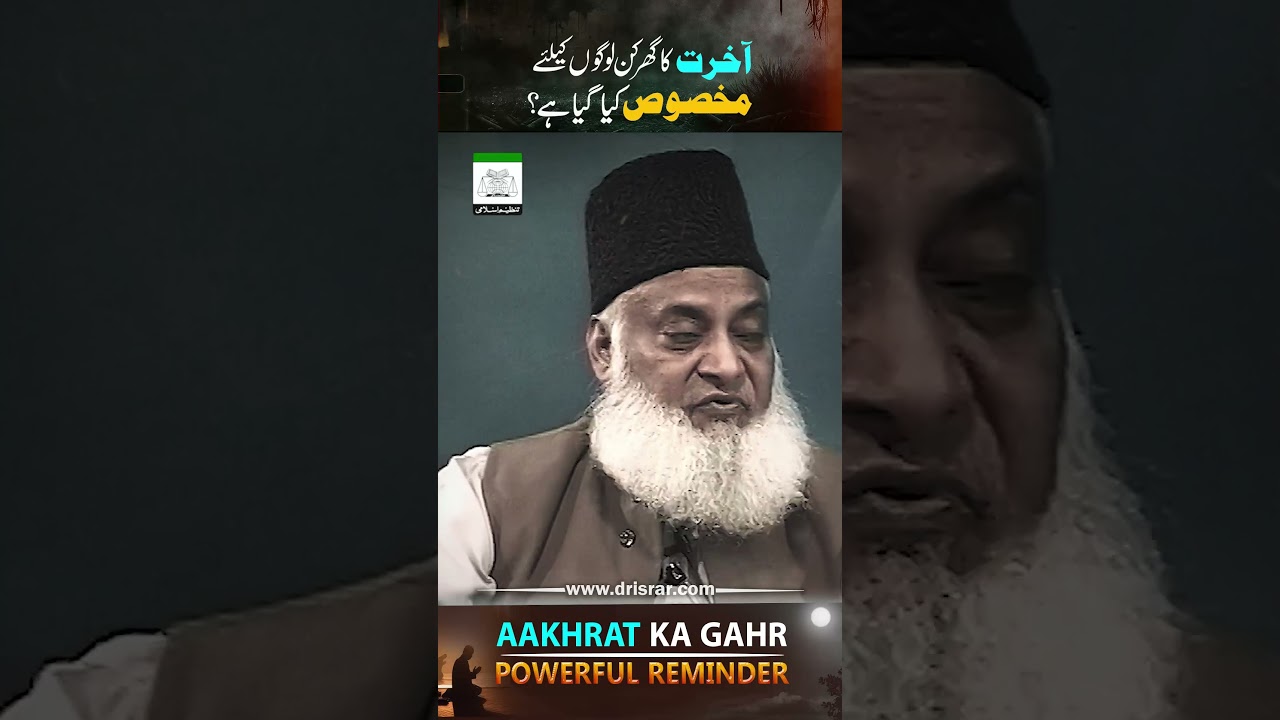
This lecture clarifies that the home of the hereafter is reserved for those who abstain from seeking power, dominance, or causing corruption on Earth. It emphasizes that this reward is specifically for the righteous, those who prioritize piety and fear of God. The ultimate outcome and blessings of the afterlife are exclusively for the God-conscious, who will experience lasting peace and fulfillment through divine grace. The lecture highlights that true success lies not in worldly achievements but in cultivating inner righteousness and striving for God's pleasure.
61
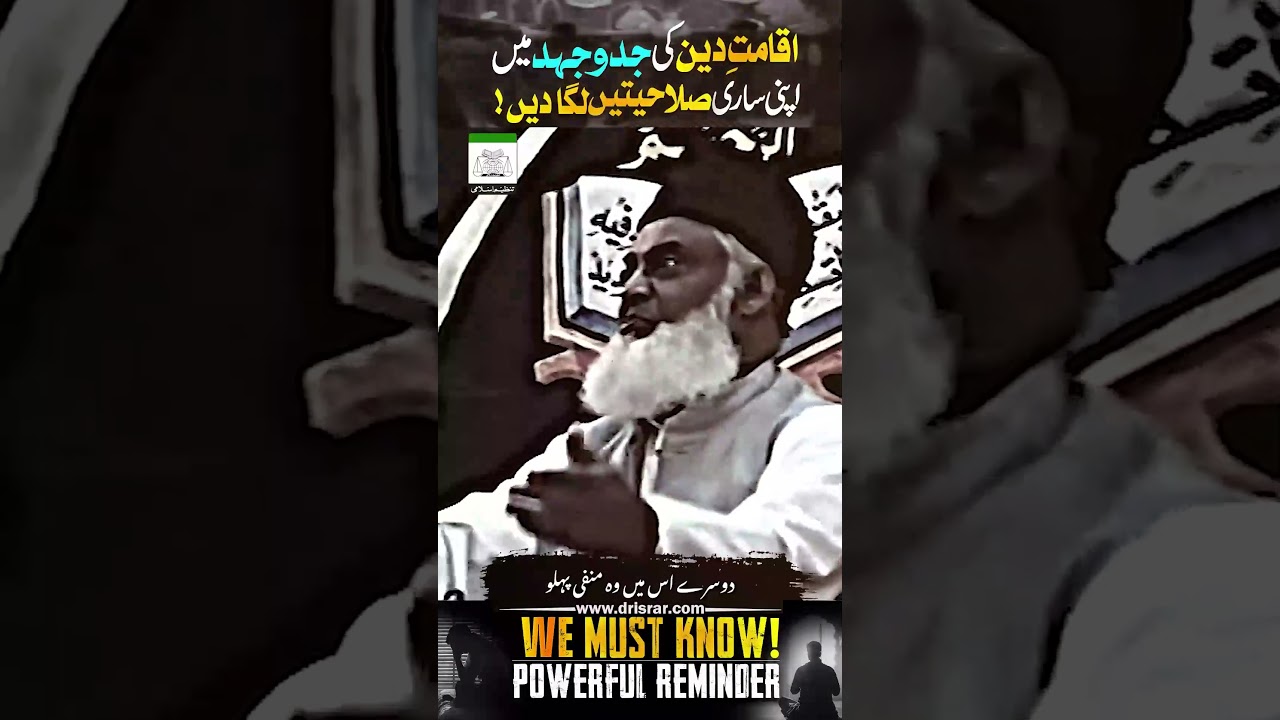
This lecture emphasizes the importance of self-assessment and maximizing one’s potential. It asserts that individuals often underestimate their capabilities and fail to fully utilize their inherent talents. The speaker stresses that true potential cannot be determined without diligent effort and self-exploration. Responsibility for unrealized potential lies with the individual. While humans readily exert themselves for worldly pursuits, they frequently lack the same dedication to spiritual growth, resulting in a decline in faith. Genuine progress requires relentless effort and honesty with oneself; self-deception yields no benefit. The lecture calls for greater dedication to spiritual development than is given to material gains.
52
