Shorts
True prayer requires a conscious awareness of standing before God. The speaker explains that a spiritually dormant soul hinders genuine connection during prayer. A soul that is suppressed, crushed, or dead cannot facilitate a meaningful dialogue with the Divine. Even if one observes all the rituals of prayer – the five daily prayers, adopting a pious appearance – these acts are ineffective without a revived, communicative spirit. The speaker emphasizes that a connection with the Divine is established through the awakening of the soul and a direct, heartfelt conversation with God.

43
This lecture details three elements that lead to salvation and three that lead to destruction. Salvation is achieved through fear of God in both private and public, speaking the truth regardless of anger or pleasure, and fulfilling one’s obligations. Destruction stems from following one's desires, excessive love of wealth, and self-admiration. The most destructive of these is a bloated ego and considering oneself superior.
43
This lecture explores the concept of finding God not in distant realms, but within one’s own heart. It emphasizes the accessibility of divine connection through introspection and remembrance. The speaker highlights that the essence of faith lies in recognizing God’s presence within, and that the human heart is the primary locus for experiencing the divine. The lecture also contemplates the trials faced by humanity, particularly the greatest test for the most noble of creations. It stresses the importance of self-reflection and finding beauty and divine signs in the world around us.
137

This lecture details the stages of the Day of Judgement according to Islamic eschatology. It describes the first trumpet blast causing widespread destruction and loss of consciousness, impacting all of creation in the heavens and on earth, except those whom Allah wills. The second blast initiates the resurrection, bringing all to a standing position. The third blast signifies the final judgement. The lecture further explains the descent of Allah, the splitting of the sky, the descent of angels, and the presentation of the Book of Records, prophets, and witnesses on that day. The lecture underscores the inevitability and gravity of the Day of Judgement and encourages contemplation of the afterlife.
52
This lecture explains how the Quran served as the instrument of a profound revolution, fundamentally altering beliefs, values, and perspectives. Before, life was considered the greatest blessing; now, martyrdom is the highest aspiration. This transformation occurred not through worldly gains, but through adherence to the Quranic command to resist disbelief and engage in a great struggle, as stated in Surah Al-Furqan. The Quran reshaped the mindset of people, prioritizing spiritual strength over material possessions.
70
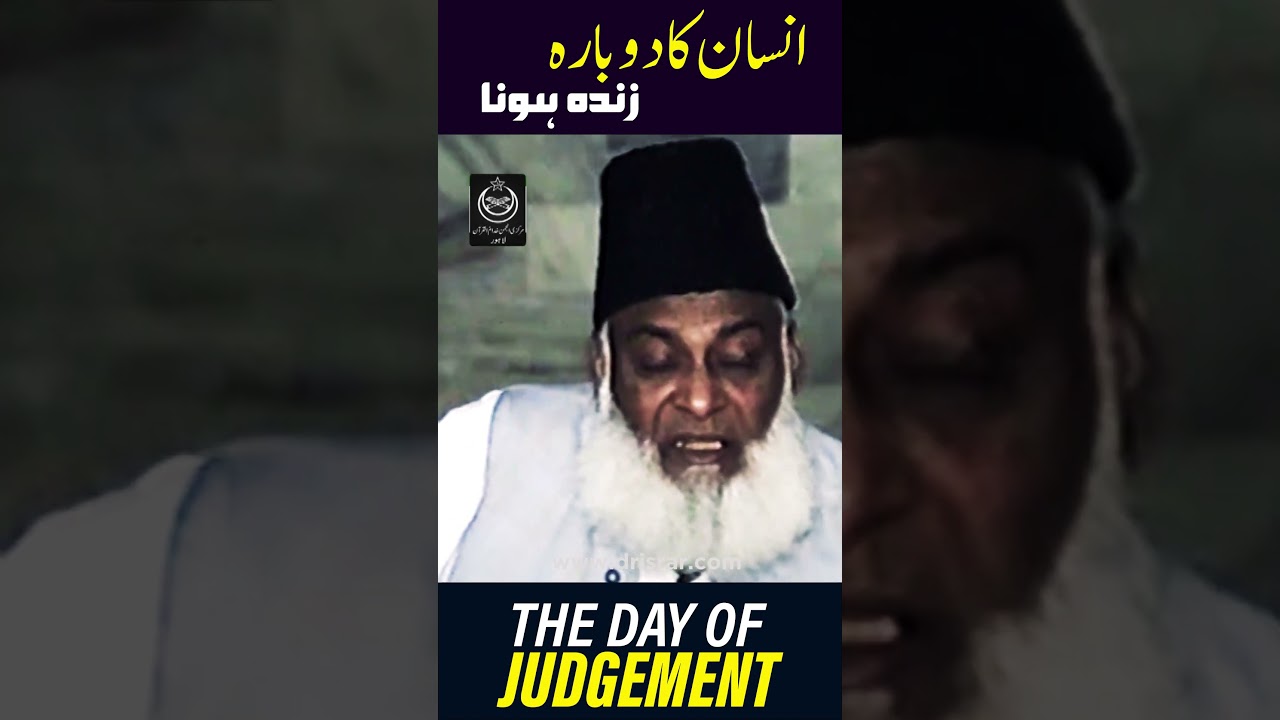
This lecture addresses the question of resurrection after complete physical disintegration. It refutes the notion that being reduced to dust or metal precludes the possibility of being recreated. The speaker clarifies that even if one were to become stone, fossilized, or transformed into an exceptionally hard substance, Allah is capable of recreating them. The argument centers on the absolute power of God and the inherent possibility of renewal, regardless of the state of decomposition. It is a response to those who express disbelief based on the perceived impossibility of being revived after death.
40
