Quần short
Dr. Israr Ahmad discusses the permissibility and desirability of gazing, clarifying that while not forbidden, it is personally discouraged. He explains that his disapproval doesn't obstruct legitimate interactions. He cites a divine decree stating that once Allah’s judgment concerning someone is established through observation, it remains unchanged, though He may draw sustenance from the miser's wealth to aid the needy. This decree effectively supersedes any further deliberation on the matter.

64
The essence of sacrifice lies in acknowledging Allah as the sole deity and submitting to Him. Without this spiritual connection, rituals like sacrifice, prayer, fasting, and pilgrimage become meaningless formalities. True devotion stems from a genuine relationship with Allah, transforming actions into sincere worship. The core of sacrifice is not merely the act itself, but the underlying recognition of God’s sovereignty and one’s complete surrender to His will. Without this internal state of piety, all external observances are rendered futile.
76
This lecture explores the unparalleled glory and status of the Prophet Muhammad (peace be upon him). It emphasizes that after Allah, the Prophet is the most significant figure in existence. The speaker highlights the Prophet’s luminous face as the source of all light and acknowledges the human mind’s inability to fully comprehend the Prophet’s greatness. The lecture ultimately asserts that seeking refuge in the Prophet’s presence is the path to salvation, recognizing his unmatched spiritual stature.
79
This lecture explains that I'tikaf represents the culmination of the month of Ramadan, a peak spiritual experience. It’s a period of complete devotion where individuals disconnect from worldly routines and dedicate themselves entirely to worship. This disconnection isn’t merely physical; it’s a complete turning of the soul towards God, severing ties with everything else. I'tikaf signifies a total focus on the Divine, an all-encompassing surrender, and a complete disconnection from all distractions. It’s the highest point of spiritual intensity achieved during Ramadan.
80
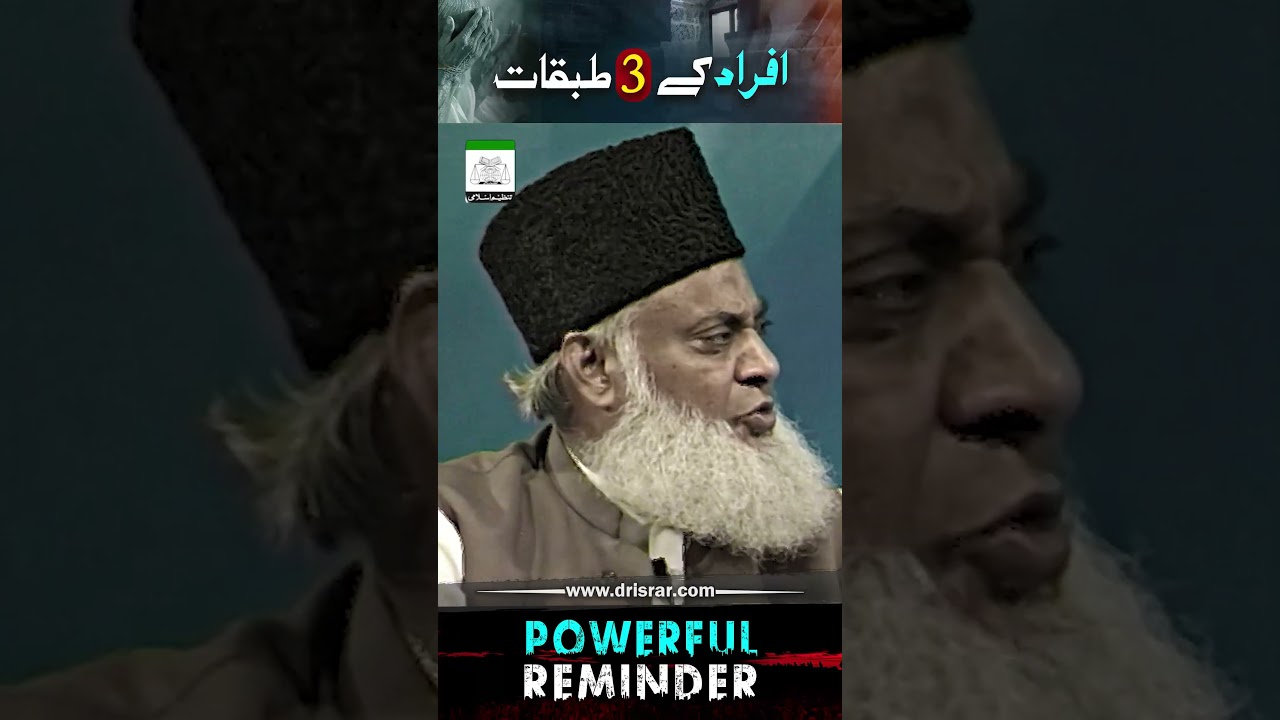
This lecture categorizes people into three groups based on their relationship with faith and worldly desires. The first group possesses genuine faith, pure intentions, and benefits from divine guidance. The second group is consumed by materialism, devoid of true spirituality or meaningful good deeds, and spends wealth solely on personal indulgence. The third group occupies an intermediate position, performing good deeds motivated by ego, reputation, or worldly gain rather than sincere faith. Their actions are likened to a mirage, lacking genuine spiritual value. The lecture emphasizes the distinction between actions performed for the sake of Allah and those driven by self-interest.
57
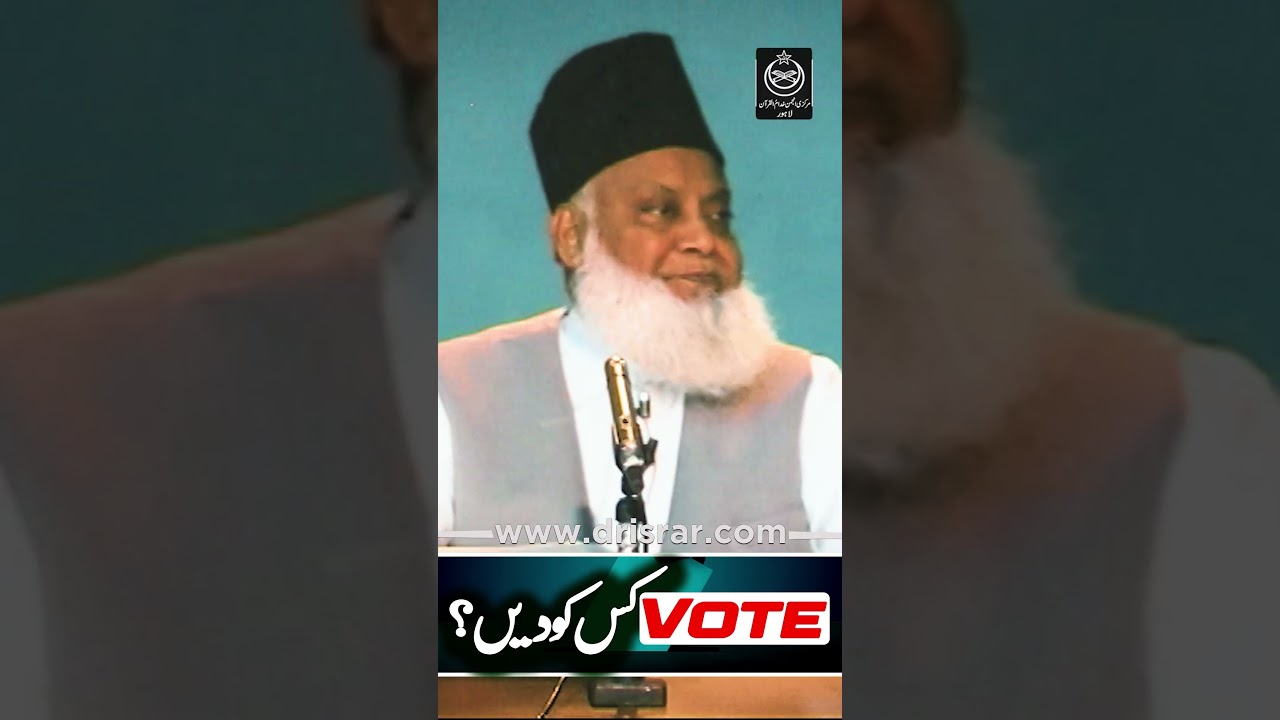
This lecture emphasizes that voting is an act of entrusting responsibility, akin to appointing a trustworthy advisor. Voters should prioritize competence, integrity, and suitability when selecting representatives at all levels—from local officials to national leaders. The speaker cautions against prioritizing personal connections, nepotism, or self-interest. The selection process must ensure that chosen individuals are truly capable of serving the nation, community, and wider collective, upholding principles of justice and competence in governance. The ultimate goal is to establish an organization built on merit and dedicated to selfless service.
49
