Шорты
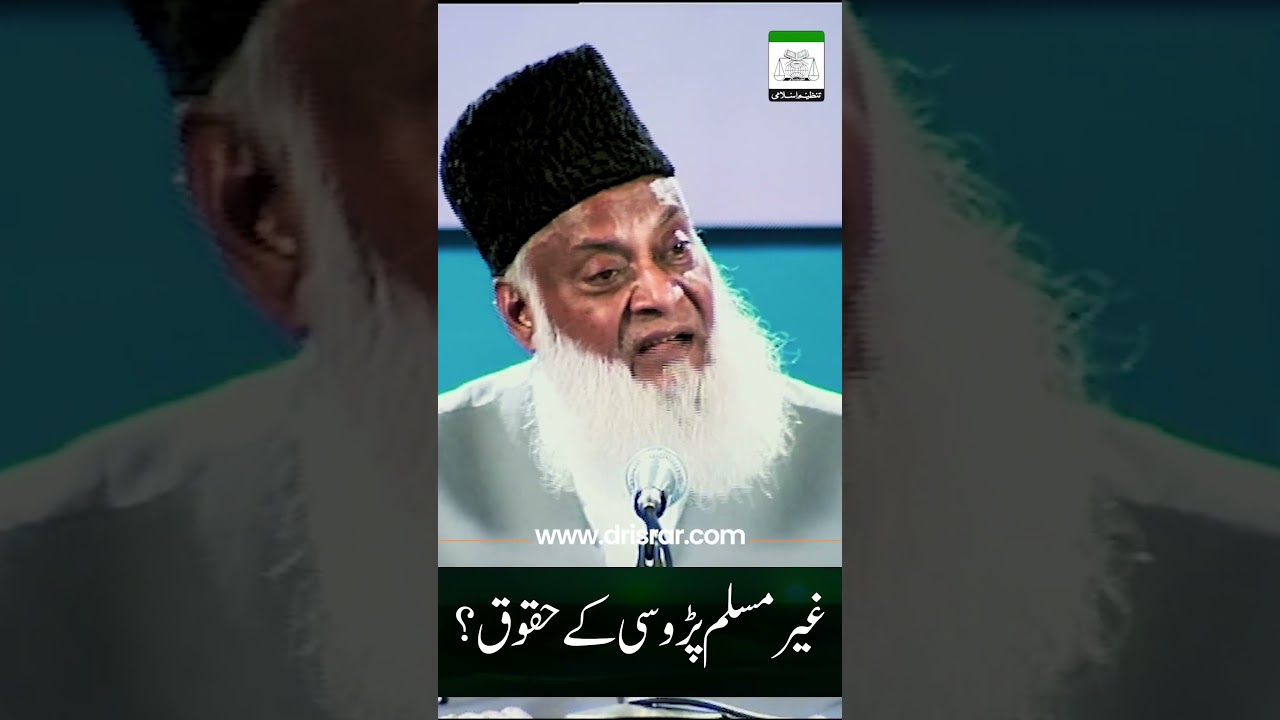
This lecture clarifies the Islamic perspective on the rights of neighbors. It emphasizes that if a neighbor isn’t actively hostile or working against Islam, they are entitled to rights as a neighbor. The Prophet Muhammad (peace be upon him) stressed the importance of neighborly relations to such an extent that it was feared inheritance laws might extend to include neighbors. The talk details the significant rights neighbors hold in Islam.

81

This lecture discusses the dual approach of encouragement and warning found within Islamic teachings, specifically referencing Surah Al-Asr. It emphasizes that effective guidance requires both positive reinforcement—recognizing potential and offering hope—and constructive criticism, alerting individuals to the consequences of negative actions. The speaker highlights that humans are susceptible to ruin unless they fulfill four conditions: faith, righteous deeds, upholding truth, and encouraging it in others. The balance of *tabshir* (giving good news) and *anzar* (warning) is essential for personal and collective development, reflecting the comprehensive nature of the Quranic message.
67
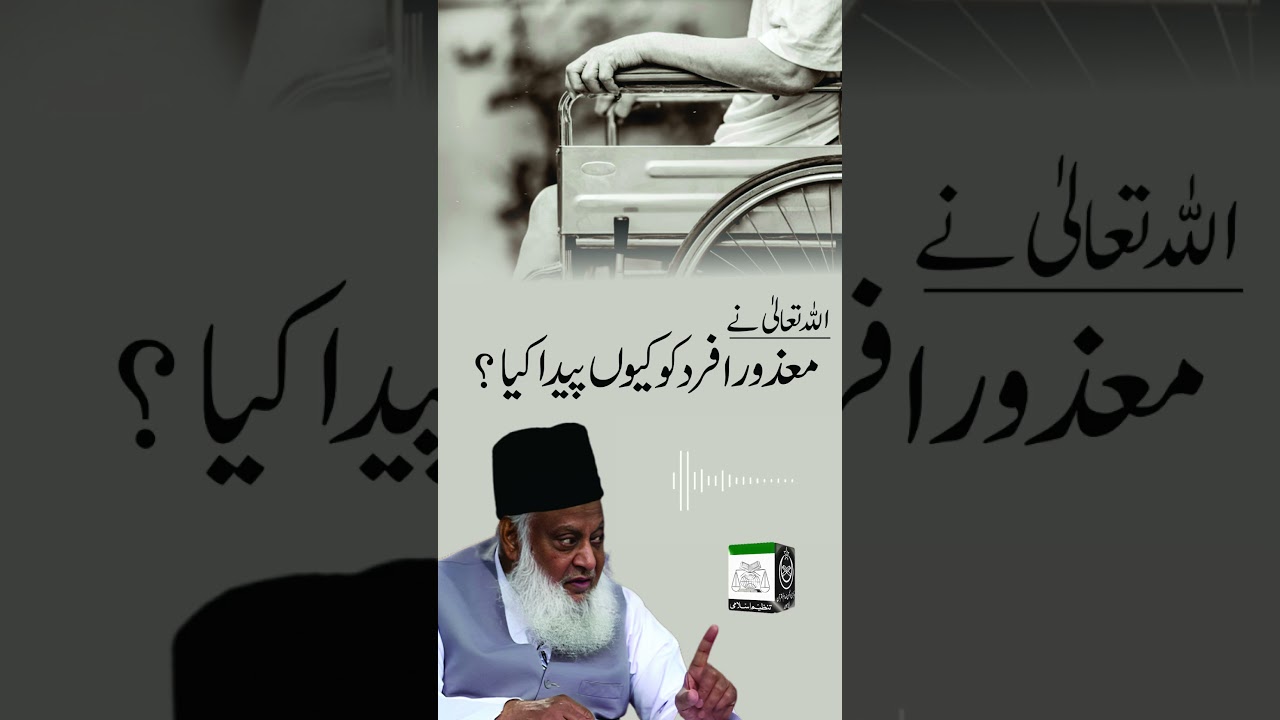
This lecture addresses the challenges faced by individuals with disabilities, specifically blindness, and offers a theological perspective on hardship and divine justice. It posits that life's difficulties are not punishments but tests, and that full compensation will be provided in the afterlife. The speaker argues that limitations do not negate success, as individuals will be judged based on their capacity and effort. The focus shifts from worldly outcomes to the eternal reward, framing current struggles as a temporary phase within a larger, eternal context. Success isn't measured by worldly achievements but by striving within one's limitations. The speaker emphasizes that the true life exists in the hereafter.
51
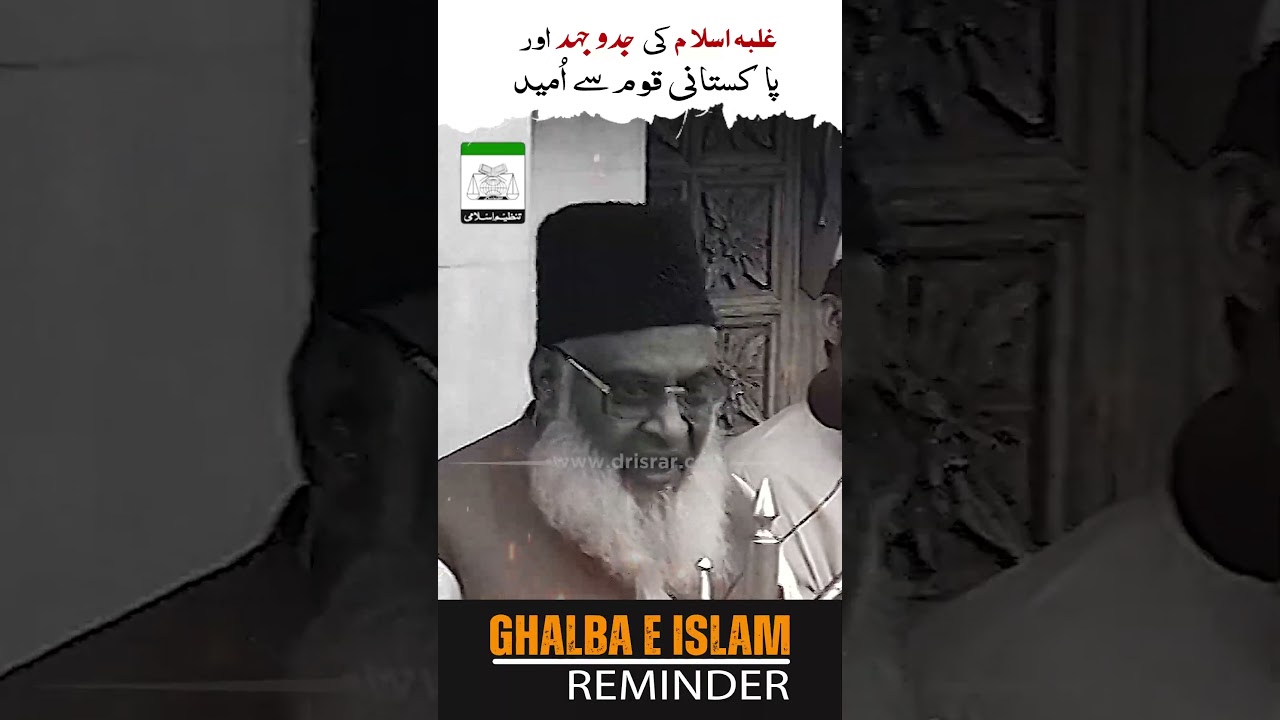
The speaker expresses a belief in Pakistan's destined role in the revival of Islam, despite current disillusionment with religious leadership and societal apathy. He anticipates a period of national upheaval that will ultimately cleanse existing problems and ignite a dormant spiritual fervor. This transformation will position Pakistan as a cradle of Islam and a launching pad for the global resurgence of Islamic values and principles. The speaker emphasizes that despite present difficulties, a powerful spiritual awakening is imminent.
38

The month of Rabi ul Awwal holds deep significance in the life of the Prophet Muhammad (peace be upon him). His birth and death both occurred in this blessed month, though the exact date of his birth is debated, with many scholars suggesting the 9th of Rabi ul Awwal. Historically, the 12th of Rabi ul Awwal was observed as a day of remembrance of his passing, involving charitable acts. Over time, this has evolved into a celebratory event. While the original Islamic festivals have diminished in prominence, new observances like Mawlid al-Nabi and Pakistan Independence Day have gained greater visibility. The Prophet’s arrival in Medina also occurred in Rabi ul Awwal. Focusing on the life and teachings of the Prophet during this month, without fixating on specific dates, encourages reflection, practical application, and emulation of his example, potentially offering solutions to contemporary problems.
47
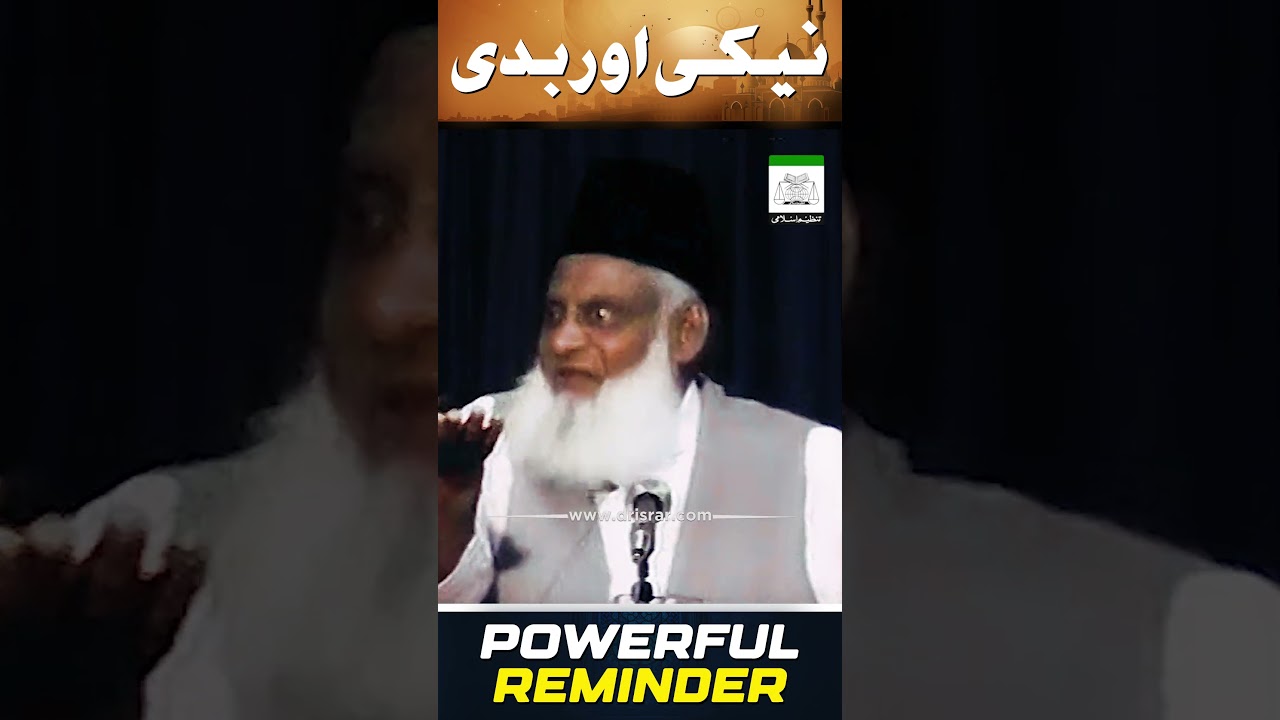
Human beings possess an inherent understanding of good and evil, stemming from a divinely inspired moral compass embedded within their nature. This internal faculty guides individuals towards righteousness and away from wrongdoing. The core principles of ethical conduct – fulfilling obligations, avoiding prohibited acts like usury and intoxicants, and embracing virtues like prayer and fasting – are foundational to this innate understanding. This inherent moral sense is not learned but rather a natural attribute of the human soul, a divine endowment that distinguishes humanity.
49
