短裤

This lecture details the events leading up to the creation of Pakistan. It highlights Jinnah’s initial stance of a ten-year unified India with three zones, the opposition from Gandhi who believed Pakistan’s formation depended solely on his consent, and the British government’s animosity towards Italy. The lecture also recounts Maulana Hussain Ahmed Madani’s prediction, made during Ramadan 1946, that the decision for Pakistan's establishment had been finalized within the Majlis-e-A'la. It emphasizes the historical context and key figures involved in the Pakistan Movement.

65
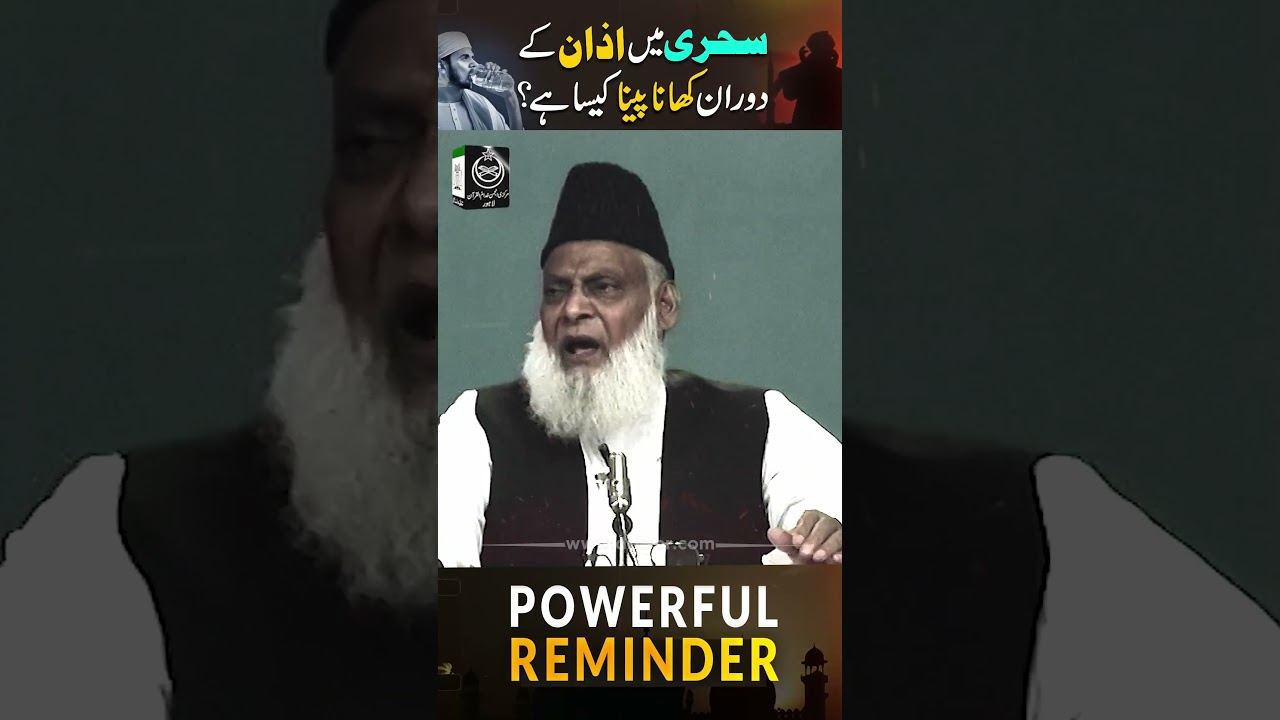
The lecture discusses the Prophet Muhammad's guidance regarding the timing of Suhoor (pre-dawn meal) and Iftar (breaking of the fast). He discouraged excessive caution and rigidity in observing the timings, emphasizing ease and flexibility. The Prophet allowed individuals to finish their meals even after the call to prayer for Fajr, promoting a balanced approach to religious observance. The principle of prioritizing ease over difficulty, as stated in the verse concerning permissible limits for fasting until the white thread distinguishes itself from the black, is highlighted. This approach promotes a spiritual practice that is accessible and sustainable.
49

Early Arabs primarily believed in Allah, though they also worshipped various deities and idols. They believed these idols would intercede on their behalf in the afterlife. While many acknowledged the existence of the afterlife, they struggled to reconcile the concept of resurrection with the physical decay of the body. Some believed their deities would protect them, reflecting a complex blend of monotheistic and polytheistic beliefs. This lecture explores the nuances of their faith and understanding of the divine and the hereafter.
35

This lecture addresses the issue of institutionalized begging and contrasts it with genuine charitable giving rooted in Islamic teachings. It argues that simply giving small amounts of money to beggars perpetuates the problem instead of empowering them. The speaker emphasizes the importance of supporting institutions that rehabilitate and enable individuals to become self-sufficient. Giving to those in need is obligatory, but it should be done in a way that preserves their dignity and fosters independence. The lecture cautions against dismissing or humiliating those who ask for help, suggesting that even those who appear well-off may have legitimate needs. The core message is that true charity involves empowering individuals to stand on their own feet, not simply providing temporary relief.
58
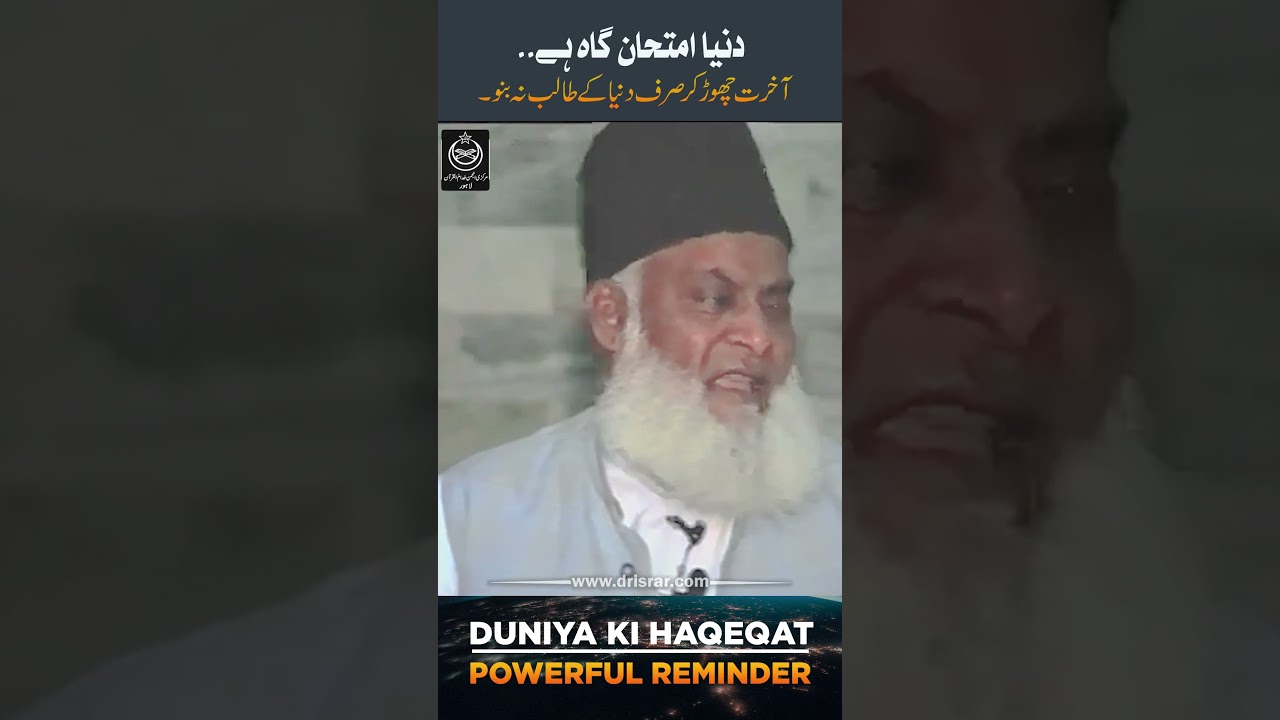
This lecture explores the transient nature of worldly possessions and the true purpose of life as a test from God. It highlights that the beauty of the earth is a temporary distraction designed to evaluate humanity's actions and devotion. The sermon details the inevitable destruction of all material things on the Day of Judgement, transforming the earth into a barren plain. The ultimate measure of success lies not in accumulating wealth or indulging in earthly pleasures, but in maintaining a sincere connection with God amidst the allure of this world. The lecture emphasizes that true believers will remain steadfast in their faith and devotion, while others will be consumed by the fleeting attractions of the world. The earth, as described in the Quran, will be leveled, devoid of mountains, valleys, or any trace of its former beauty, serving as a stark reminder of the impermanence of all creation.
48

Human beings can attain knowledge of fundamental truths about the universe through their innate nature (sound disposition) and sound intellect, without requiring external revelation. A pure nature, free from corruption, combined with an intellect unburdened by arrogance or prejudice, allows one to perceive the existence of a Creator. This Creator possesses all attributes of perfection, is free from all flaws, and is the ultimate Sustainer. This inherent understanding arises from self-reflection and rational thought, guiding individuals to recognize the divine through their own faculties.
56
