Calção
The Quran is presented as the ultimate source of clarity and healing for the heart. It eradicates spiritual diseases such as arrogance, envy, materialism, the pursuit of worldly status, and the desire for fame. The Quran’s wisdom illuminates the heart, replacing these negative traits with spiritual purity and understanding. It is a complete remedy for inner turmoil and a guide to a righteous life. The Quran's light dispels darkness and fosters a connection with the Divine.

277

Supplication (du'a) should be directed solely to Allah. Seeking help from anyone other than Allah – be it prophets, messengers, angels, saints, or any created being – nullifies the act of worship. While seeking physical assistance within the natural laws of the world is permissible, requesting the unseen or miraculous from anyone besides Allah is strictly forbidden. True supplication involves asking Allah alone for all needs, both material and spiritual. Seeking aid from others in worldly matters is different from asking for the impossible or supernatural from anyone besides the Creator.
66
This lecture clarifies the distinction between cooperation and organizational commitment within the context of establishing religious practice. Cooperation allows for individual discretion; participants can choose when and how to contribute. However, joining an organization, specifically Tanzeem-e-Islami, requires a pledge of allegiance, or *ba’it*, relinquishing personal autonomy to adhere to the organization’s discipline and fulfill its collective objectives. This commitment is foundational to the organization’s structure and its effectiveness in fulfilling its religious mission. The lecture emphasizes that true dedication to establishing faith necessitates joining an organized structure through a formal commitment.
53
This lecture explains the unique significance of Ramadan. It highlights that Ramadan is a time when Allah makes it easier to perform good deeds and more difficult to indulge in evil. The month offers open doors to divine mercy and encourages individuals to progress on the path of righteousness. It is a call to seize the opportunities for spiritual growth and avoid falling short of the blessings available during this sacred month. The lecture emphasizes that Ramadan facilitates advancement for those inclined towards goodness and creates obstacles for those inclined towards evil.
77
This lecture explores a specific supplication frequently recited by the Prophet Muhammad (peace be upon him) during his Tahajjud prayers. The core message centers on affirming the truth of Muhammad, the Quran, and Prophethood itself. The speaker emphasizes that repeatedly internalizing these truths is essential for strengthening one’s faith. Genuine belief isn't merely intellectual assent but a deeply ingrained conviction within the heart, forming the very foundation of true faith. The lecture stresses that this consistent affirmation cultivates a robust and unwavering certainty.
80
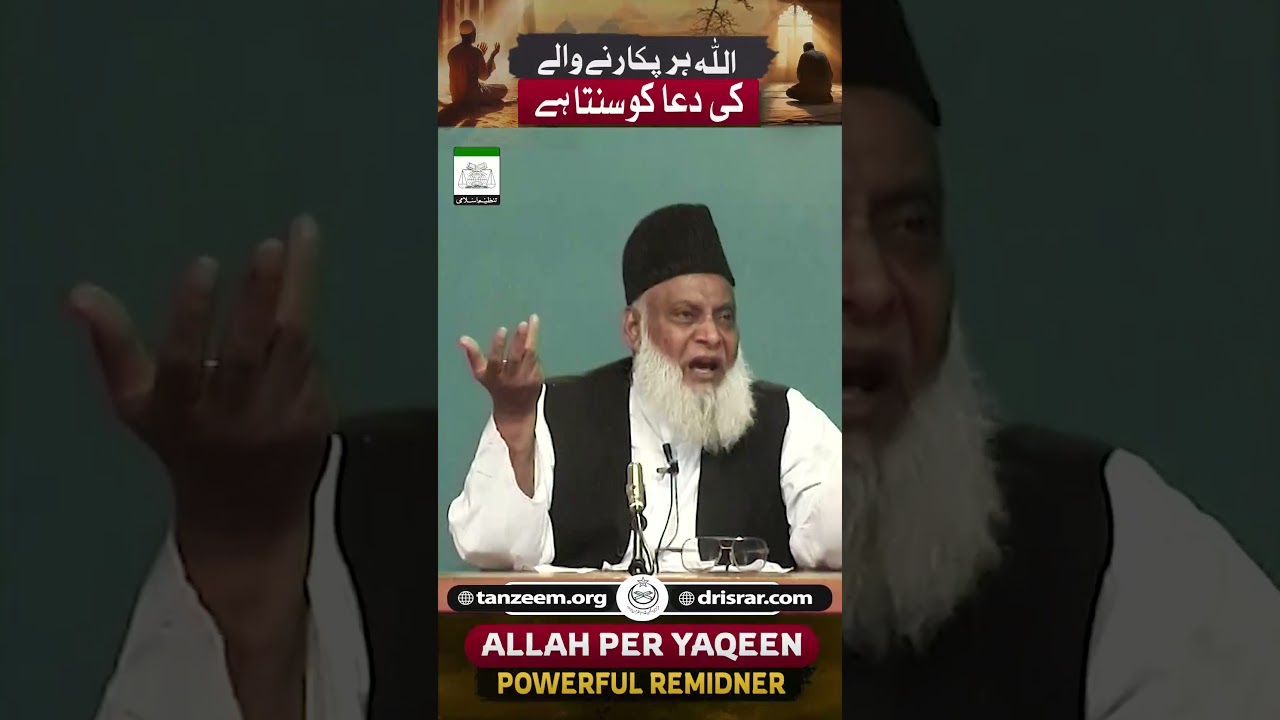
This lecture explores the deeper meaning of directing one’s attention towards God during prayer, specifically referencing Surah Fatiha. It explains that simply facing the Kaaba is insufficient; genuine connection requires inward focus and spiritual awakening. The speaker elucidates the verse concerning God’s responsiveness to sincere pleas, emphasizing His proximity to those who seek Him with earnestness. True prayer involves a complete turning towards God, a purification of intention, and an awareness of His presence. God answers every call, accepts every supplication, and responds to those who call upon Him sincerely, regardless of location.
102
