شارٹس
The Quran fundamentally transforms an individual's worldview. Before encountering the Quran, a person might perceive the universe as a random, self-operating system driven by mindless matter. Afterwards, they recognize the existence of a single God – Allah – who is all-powerful, all-knowing, the Sustainer, and the Creator and Director of the universe. This realization shifts perspective from accidental creation to purposeful design and divine governance.

46
Islam is a complete way of life and cannot accommodate elements from other systems. The speaker argues against the integration of modern democracy and socialism into Islam, asserting that Islam possesses its own inherent democratic and socialist principles rooted in its teachings and jurisprudence. He points to the presence of the term ‘jumhoor’ (the public) in Islamic texts as evidence of Islam’s democratic foundation, and the concept of ‘shirkat’ (partnership) as its socialist basis. Islam’s system is comprehensive and self-sufficient, rejecting external ideological grafting.
40
The Quran is not a book for academic study in isolation. Its true meaning reveals itself only through practical application of its teachings—both individually and collectively. The verses descended during a period of active struggle, and understanding them requires embracing that same dynamic spirit. The Quran possessed by those actively striving for good differs from the Quran understood by those who have become stagnant. The Quran’s content is not merely words on a page, but a living force that inspires action and prevents complacency. It’s a manual for revolution, demanding both personal righteousness and societal transformation. The Quran in the hands of a dynamic individual is different than one held by someone inert; it compels movement and evokes emotion.
124
This lecture emphasizes the value of sufficiency over abundance. It highlights that having limited resources, but being content and self-reliant, is preferable to having plenty while being heedless and dependent on others. The core message is that fulfilling basic needs with dignity is superior to living a life of extravagance and reliance on external support. True well-being lies in avoiding debt and maintaining independence, even with modest means. Contentment and self-sufficiency bring peace of mind and protect one from humiliation.
73
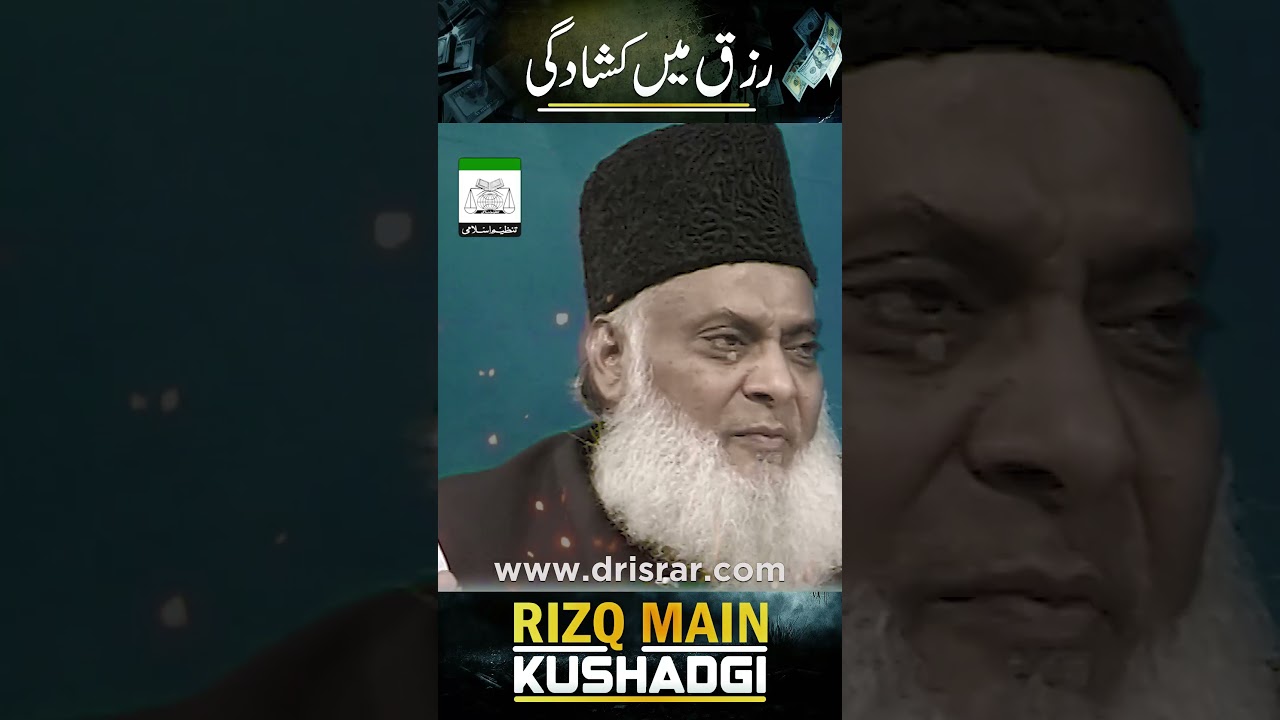
This lecture addresses the common misconception that individuals can directly improve the circumstances of others. It clarifies that provision and hardship are ultimately determined by God's will and wisdom. The speaker emphasizes that humans should focus on their own efforts and trust in God's plan, recognizing that He expands or restricts sustenance according to His knowledge and judgment. God is fully aware of the needs of His servants and acts in their best interest.
39
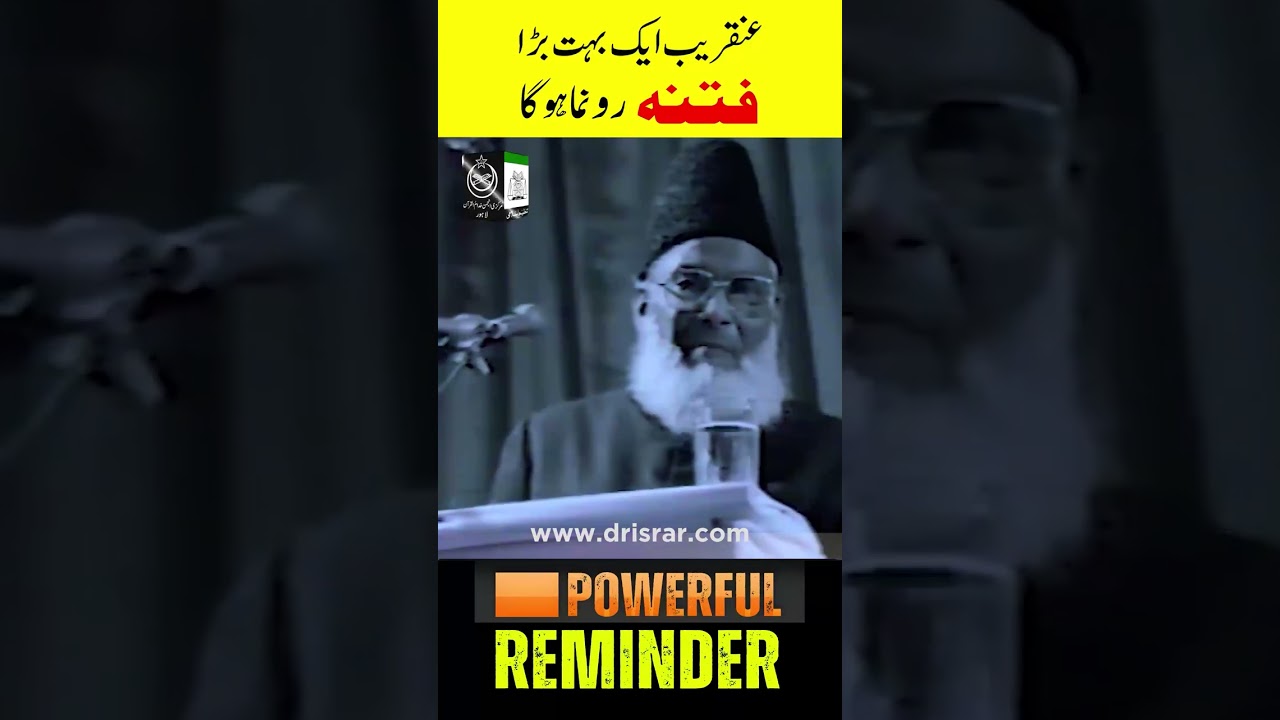
This lecture discusses the inevitability of trials and tribulations, referencing a prophetic warning about a significant upcoming trial. Hazrat Ali inquired about the means of escape during this trial, prioritizing practical solutions over seeking to understand the ‘why’ or ‘how’ of its occurrence. The Prophet Muhammad (peace be upon him) responded that the Quran is the path to safety and deliverance during times of hardship. The focus is on proactive preparation and seeking refuge in divine guidance rather than solely analyzing the nature of the trial itself.
47
