شلوار کوتاه
Dr. Israr Ahmad explains that memorizing the Quran is one task, and *retaining* it is another. Forgetting memorized verses is a serious offense. Consistent recitation and revision are crucial for long-term retention. Many who claim to have memorized the entire Quran struggle to recall it throughout the year, requiring frequent re-memorization. He highlights that consistent practice is more valuable than merely claiming complete memorization, even if one is unable to perform regular prayers.

52
This lecture explores the multifaceted greatness of Prophet Muhammad (peace be upon him). It distinguishes between his status as a prophet and his humanity, noting that understanding the full extent of his greatness is beyond human comprehension. The lecture emphasizes that only a prophet can truly appreciate the stature of another prophet, highlighting the unique qualities inherent in Prophethood. It explains that assessing the Prophet's significance requires a perspective beyond that of a mere physician or scholar, acknowledging his exceptional position in both spiritual and worldly affairs.
47
The Prophet Muhammad (peace be upon him) relayed a divine tradition: every act of worship benefits the individual, except fasting. Fasting is exclusively for God, and He alone will reward it directly. This emphasizes the unique nature of fasting as an act of devotion solely directed towards God, differing from other acts of worship where benefits are also reaped by the worshipper. It highlights the direct connection between the fasting person and God, and the certainty of divine recompense. The core message focuses on revitalizing the human spirit and strengthening its connection with the Divine.
44
This lecture discusses the profound knowledge of Quranic interpretation possessed by Hazrat Abdullah Ibn Abbas, a prominent companion of the Prophet Muhammad. He received special prayers from the Prophet for understanding of religion and deep comprehension of the Quran. Abdullah Ibn Abbas is considered a leading authority on Tafsir, with a significant number of narrations attributed to him through his students like Mujahid and Ikramah. The term 'Habr', meaning a highly knowledgeable scholar, is explained in relation to his status as 'Habr al-Ummah', the scholar of the Muslim community. The lecture also clarifies the origin of the term 'Habr' and its historical context regarding scholars of other faiths.
99
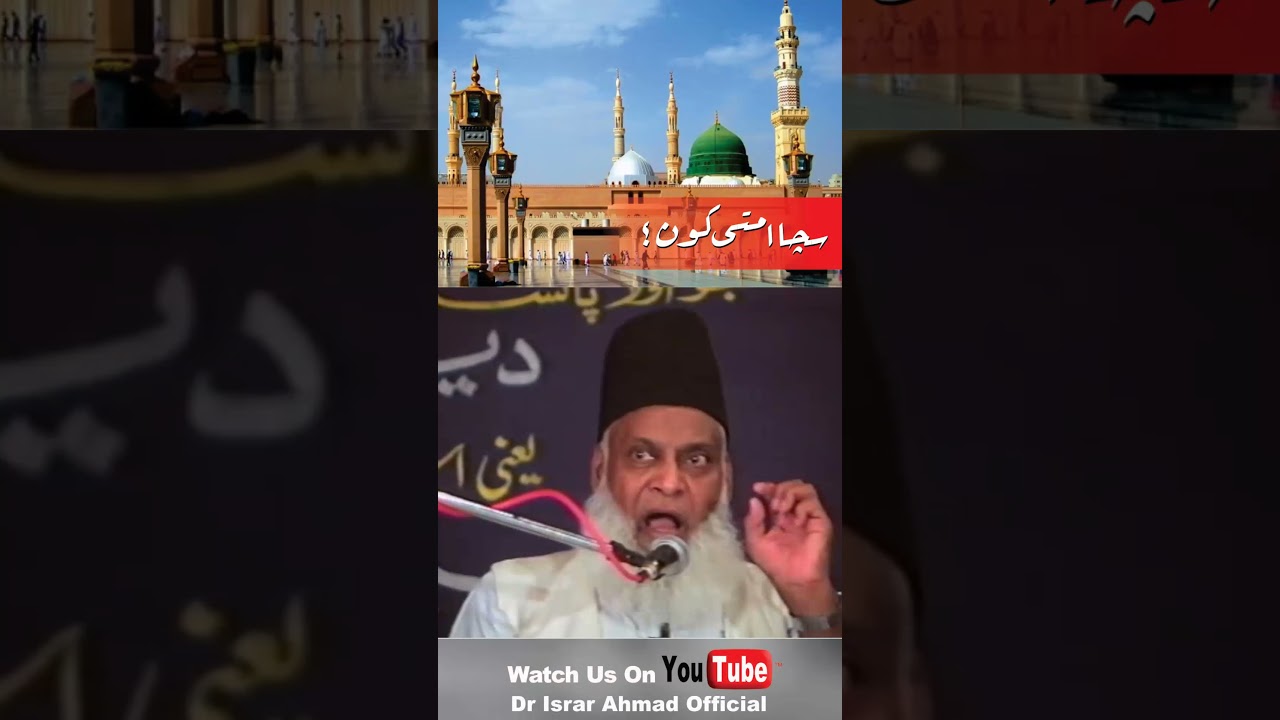
This lecture addresses the current global turmoil as a symptom of a deeper longing for the guidance embodied by the teachings of Muhammad. It emphasizes the need for Muslims to actively work towards fulfilling the objectives of the Prophet’s mission, focusing on spiritual and practical reformation. The speaker highlights that true progress for the Muslim community lies in returning to the principles and practices established at the beginning of Islam, prioritizing faith, devotion, and righteous living. The lecture warns against violent extremism and advocates for peaceful, constructive engagement in society. It emphasizes that reformation must stem from a genuine understanding and implementation of Islamic teachings.
49
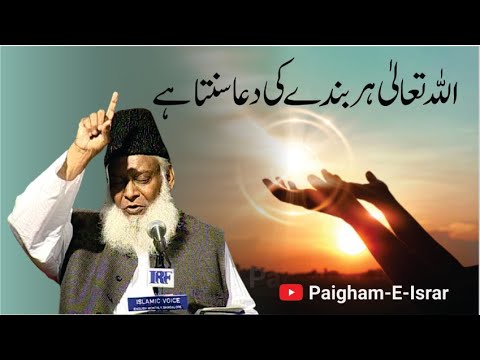
This lecture emphasizes that prayer (dua) is the core of worship. God hears and responds to every sincere call, irrespective of the supplicant’s location or posture. God accepts prayers offered from any place, whether at home or elsewhere, and responds to those who turn to Him with devotion. The essence of faith lies in maintaining a constant connection with God through heartfelt supplication.
59
