Shorts
This lecture emphasizes the importance of reciting the Quran correctly and consistently, both day and night, and actively sharing its message with others. The speaker urges listeners to disseminate knowledge of the Quran to the best of their ability, ensuring no one is deprived of its guidance. Every individual is encouraged to teach what they’ve learned, recite what they’ve memorized, and explain what they understand, transforming this into a widespread movement dedicated to returning to the Quran. This is a call to prioritize and propagate the teachings of the Quran in all aspects of life.

54

Dr. Israr Ahmad explains that indirect interest (andariki sood) permeates modern life, extending beyond direct loans to encompass nearly all commodities due to interest-based funding at various stages of production. He argues that even consuming basic necessities like wheat involves participating in a system fueled by interest. The only atonement for this unavoidable involvement is a dedicated effort to transform the existing system into one that eradicates interest completely. He stresses that escaping the pervasive influence of indirect interest is impossible without systemic change.
76
The Quran provides guidance on two primary levels: intellectual and practical. It addresses fundamental philosophical questions concerning the nature of existence, life, truth, and morality—exploring concepts such as the universe, the meaning of life, knowledge, right and wrong, good and evil. Simultaneously, the Quran offers a comprehensive system of practical directives governing individual and collective life, encompassing religious obligations, ethical guidelines, economic principles, and social norms. This dual approach provides both intellectual understanding and actionable guidance for humanity.
52
This narrative recounts an instance where the Prophet Muhammad (PBUH) requested to use an camel owned by Hazrat Abu Bakr. Hazrat Abu Bakr, overjoyed, offered the camel as a gift, having prepared it specifically for the journey. The Prophet insisted on paying for it. Hazrat Abu Bakr, moved to tears, expressed that his life and possessions were already dedicated to the Prophet, and offering the camel without payment was a matter of honor. This demonstrates the Prophet’s integrity and Hazrat Abu Bakr’s profound devotion and generosity.
44
This lecture explains the unique significance of Ramadan. It highlights that Ramadan is a time when Allah makes it easier to perform good deeds and more difficult to indulge in evil. The month offers open doors to divine mercy and encourages individuals to progress on the path of righteousness. It is a call to seize the opportunities for spiritual growth and avoid falling short of the blessings available during this sacred month. The lecture emphasizes that Ramadan facilitates advancement for those inclined towards goodness and creates obstacles for those inclined towards evil.
77
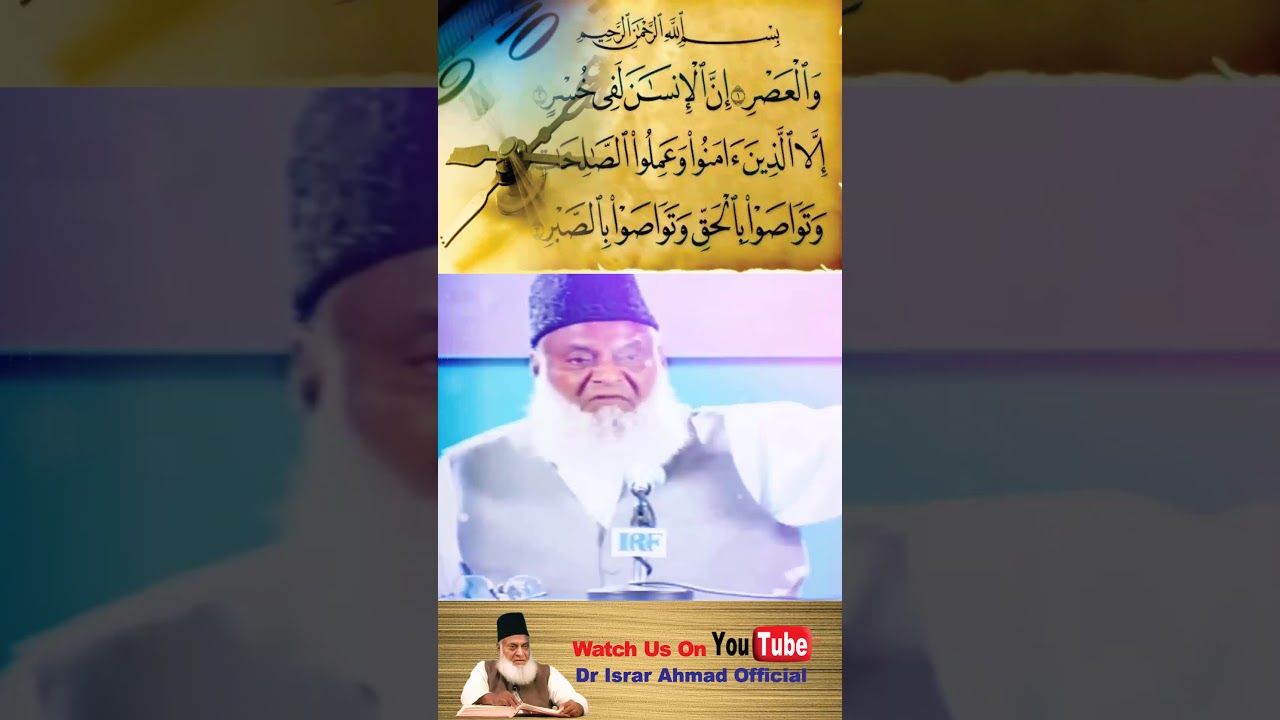
Humanity, universally, is in loss. Salvation is achieved through four essential conditions: faith, righteous deeds, advocating truth, and encouraging good conduct. These are not merely recommendations, but fundamental requirements for achieving deliverance. Without fulfilling these conditions, true salvation remains unattainable. This lecture details these prerequisites for spiritual success and a meaningful life.
220
