מִכְנָסַיִים קְצָרִים
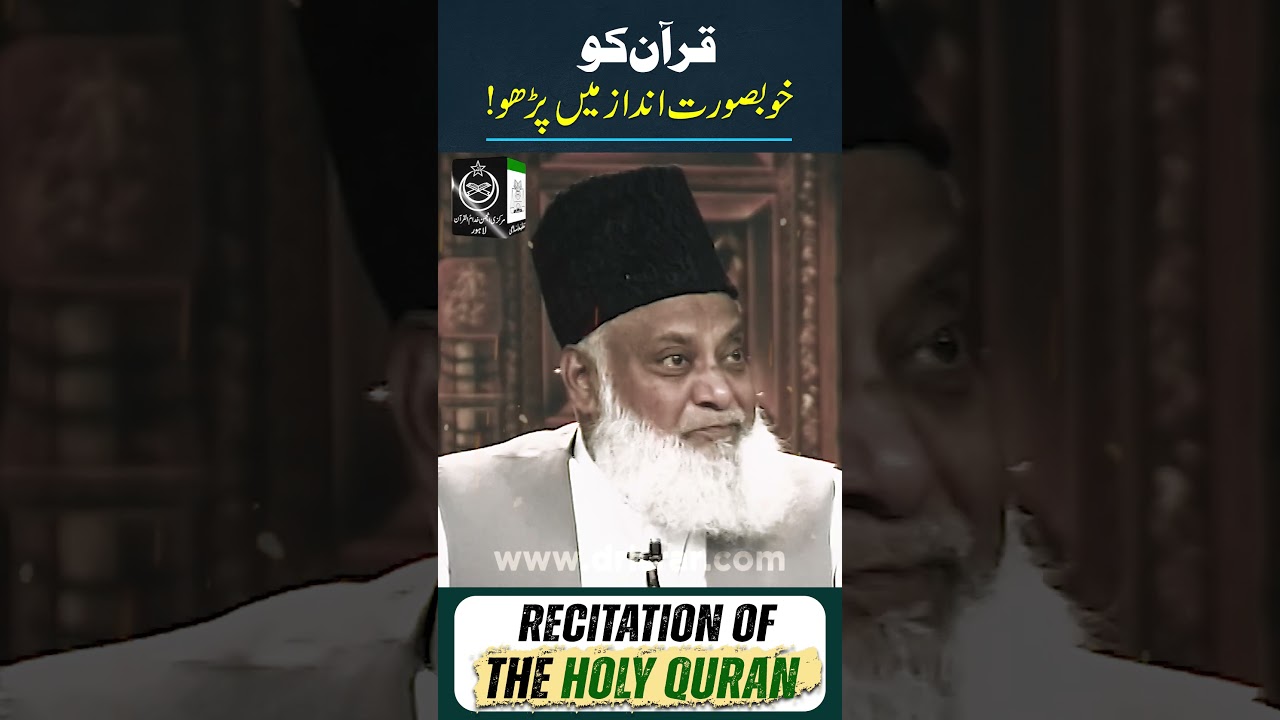
The lecture emphasizes the importance of reciting the Quran with a beautiful voice. It states that those who do not attempt to recite the Quran melodiously are not considered among the believers, referencing a hadith encouraging beautification of Quranic recitation with one's voice. Utilizing a gifted voice during recitation enhances the Quran’s inherent beauty and provides a unique experience to the listener.

53
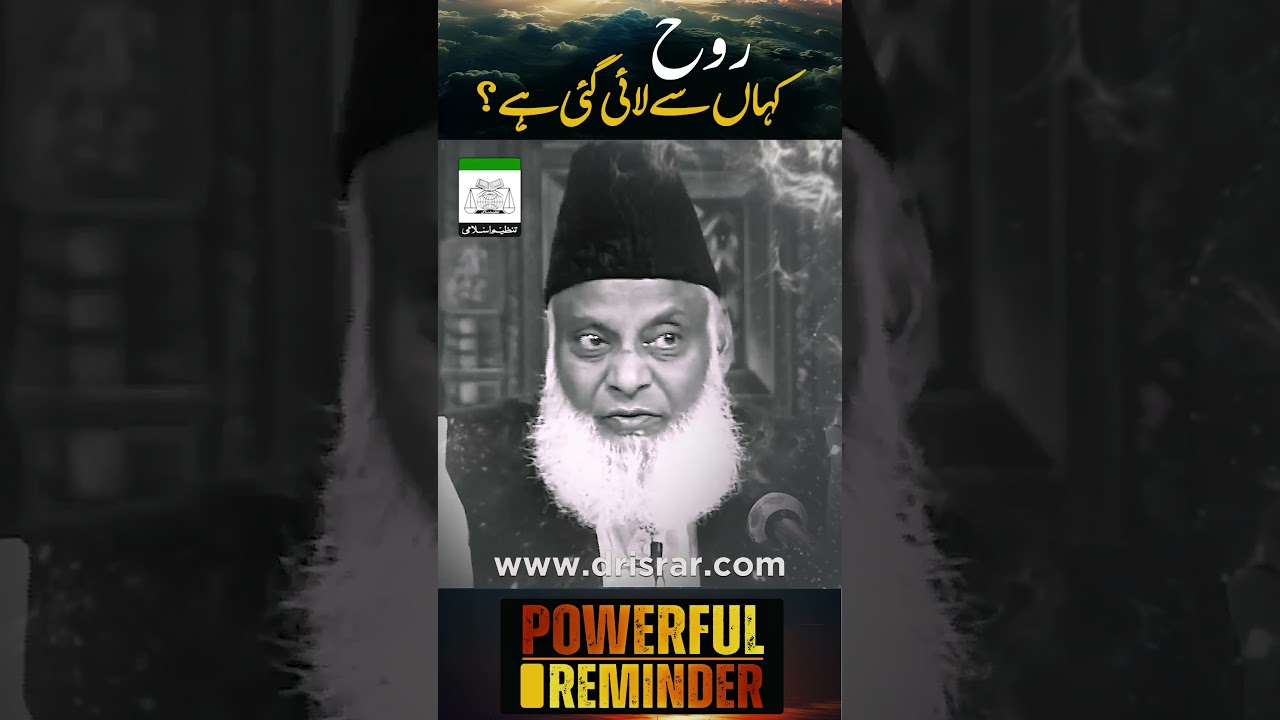
The soul is distinct from the body. While death seizes the body, returning it to the earth from whence it came, the soul does not experience death itself. It is a transfer, originating from God and returning to Him. The soul temporarily inhabits the body during earthly life, then either resides in 'Aliyeen' or 'Sijjeen' – realms of varying states – awaiting eventual return to its divine source. The body is subject to earthly cycles of creation and dissolution, but the soul is eternal and its destiny lies with God.
44
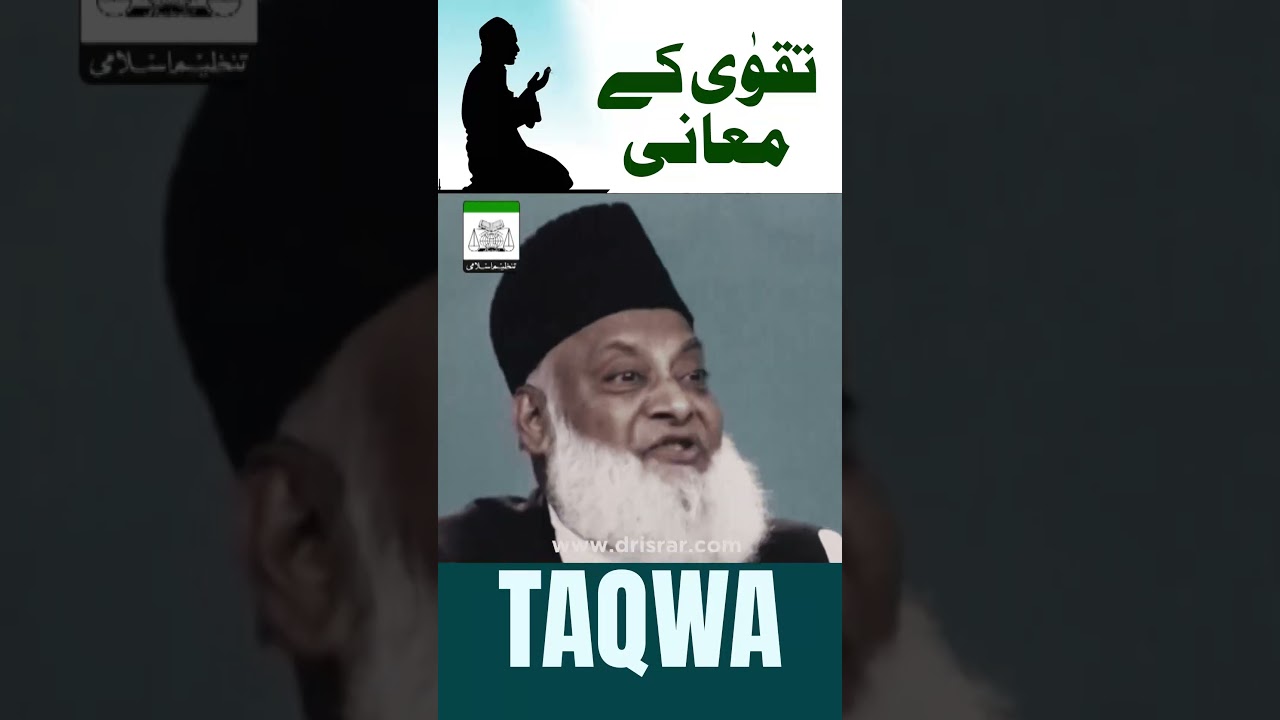
Taqwa, often translated as piety or God-consciousness, is fundamentally about safeguarding oneself from disobedience to God. It encompasses avoiding prohibited acts, adhering to divine commands, and shielding oneself from God’s wrath and the consequences of wrongdoing in this life and the hereafter. This involves a consistent, lifelong effort to protect oneself from anything that displeases God, fostering a constant awareness of divine judgment. It's a proactive approach to avoiding sin and seeking God's favor.
40
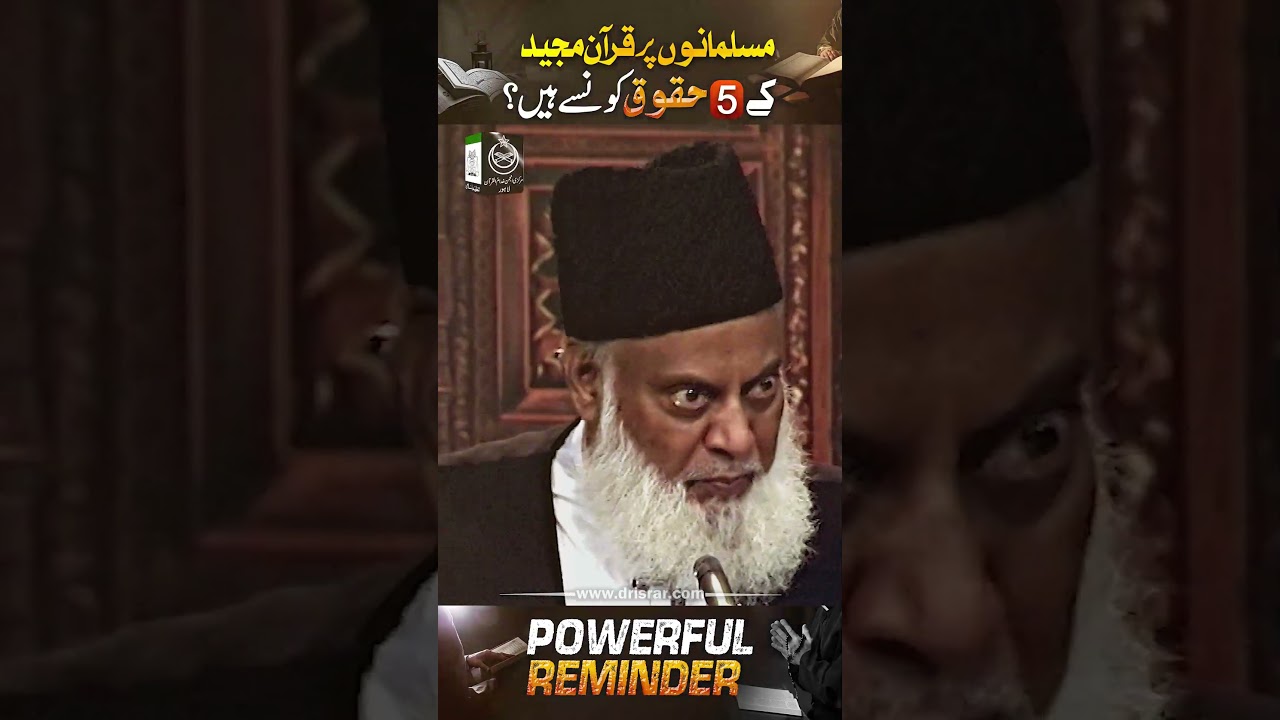
This lecture details the five rights the Quran has over every Muslim: belief, recitation with proper Tajweed, understanding, implementation in individual and collective life, and propagation. It emphasizes that fulfilling these rights is a collective responsibility requiring a societal system for enacting Islamic law. Failure to uphold these rights is likened to burdening a donkey with books, signifying a failure to bear the responsibility of divine guidance. The discussion highlights the importance of correct pronunciation, deep understanding (not just memorization), practical application of teachings in both personal and communal spheres, and the dissemination of knowledge to others. It stresses that collective duties, such as enforcing Sharia law (e.g., penalties for theft or adultery, prohibition of interest), necessitate an established system, not individual actions.
56
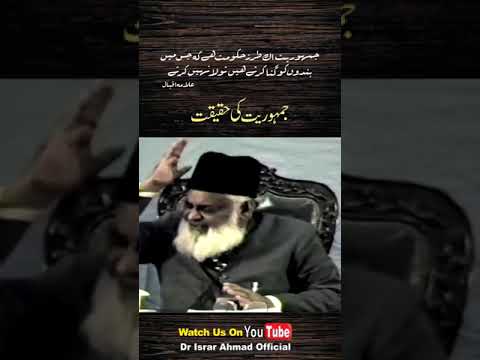
This lecture analyzes the concept of democracy, arguing it often serves as a facade for capitalist control. It critiques the Western democratic model, particularly the American system, asserting it prioritizes wealth and allows only the affluent to participate meaningfully in elections. The speaker contends true democracy requires economic justice, empowering the common citizen before allowing them to vote. The current system, he claims, is a game played by capitalists, leaving the average person disenfranchised and manipulated.
58

The unstoppable surge following the Prophet Muhammad's mission could not be contained by any earthly power. Neither Persian swords nor Roman legions could halt its advance. Hazrat Khalid bin Walid declared to the Romans that their numbers and weaponry were irrelevant; they faced a people who embraced death as eagerly as others cherished life. This nation’s strength stemmed from a desire for martyrdom, not worldly possessions or kingdoms. No force could defeat a people motivated by faith and the promise of eternal reward.
30
