Calção
This lecture explores the profound connection between the Quran and spiritual well-being. It emphasizes that true guidance and divine mercy are attained not merely through ritualistic prayer, but through a heart cleansed of spiritual ailments and fully receptive to the Quran's message. The speaker highlights the Quran as an immense blessing and a source of joy, urging listeners to find celebration in its teachings rather than worldly possessions. The core message stresses that genuine happiness lies in recognizing and appreciating the Quran's unique value, surpassing all material wealth.

59
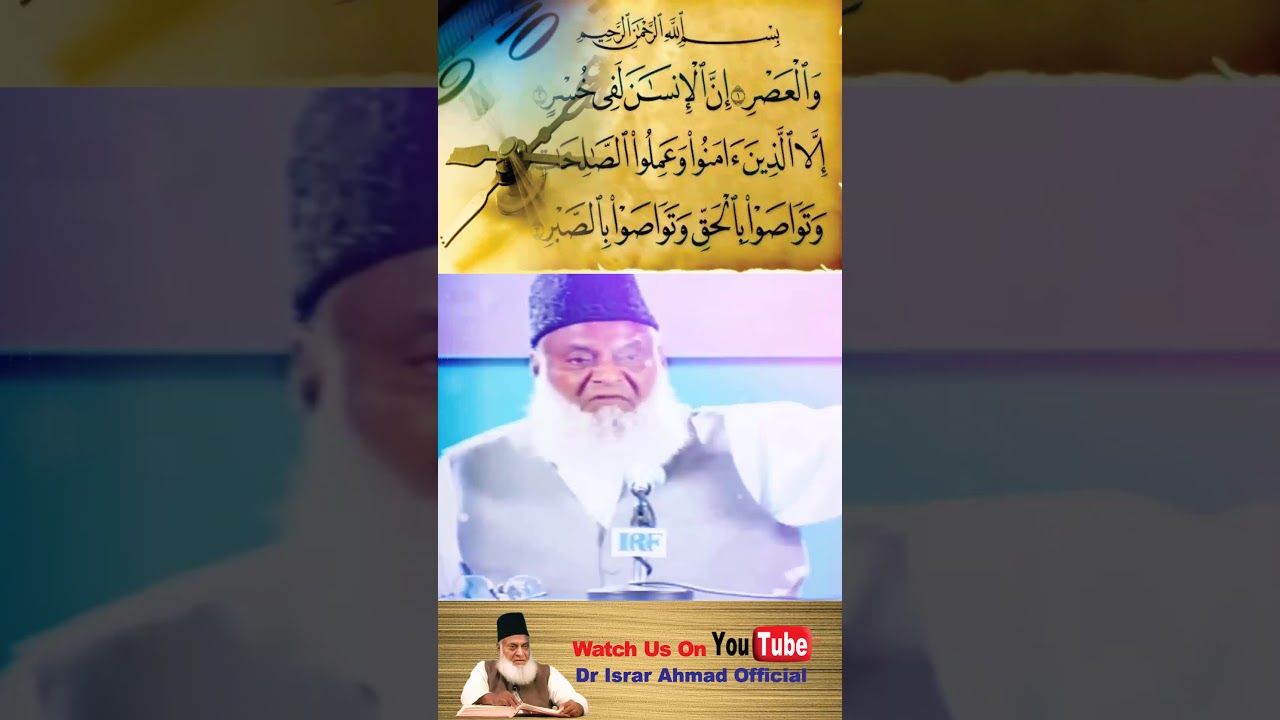
Humanity, universally, is in loss. Salvation is achieved through four essential conditions: faith, righteous deeds, advocating truth, and encouraging good conduct. These are not merely recommendations, but fundamental requirements for achieving deliverance. Without fulfilling these conditions, true salvation remains unattainable. This lecture details these prerequisites for spiritual success and a meaningful life.
220
Dr. Israr Ahmad discusses the true nature of revolution as exemplified by the life of the Prophet Muhammad (peace be upon him). He emphasizes that genuine change doesn’t come through mere promises or superficial reforms, but through a comprehensive process of spiritual purification (tazkiya), organization, and unwavering commitment to establishing justice. He explains that this involves a disciplined, morally upright society prepared to challenge oppressive systems and establish a just order, guided by divine principles. He highlights the historical attempts at reform and the necessity of a strong, dedicated leadership committed to implementing Islamic principles in all aspects of life. The lecture also touches on the difference between implementing Sharia at a micro and macro level, and the historical precedent of Sharia being implemented for over a thousand years.
66

Supplication (du'a) should be directed solely to Allah. Seeking help from anyone other than Allah – be it prophets, messengers, angels, saints, or any created being – nullifies the act of worship. While seeking physical assistance within the natural laws of the world is permissible, requesting the unseen or miraculous from anyone besides Allah is strictly forbidden. True supplication involves asking Allah alone for all needs, both material and spiritual. Seeking aid from others in worldly matters is different from asking for the impossible or supernatural from anyone besides the Creator.
66
This lecture explores the qualities of a truly righteous individual: one who actively invites others to God, consistently performs good deeds, and sincerely identifies as a Muslim striving for obedience. The speaker emphasizes humility, acknowledging personal fallibility and the importance of repentance. A virtuous person isn't defined by claims of piety or perfection, but by a consistent return to God after mistakes. The core message is that genuine faith involves both action and sincere self-assessment.
92

Islamic teachings emphasize prioritizing the rights of parents after those owed to God. The rights of mothers are three times greater than those of fathers due to the immense physical and emotional burden they bear during pregnancy, childbirth, and raising children. While fathers provide financially and are essential, mothers endure unique hardships that necessitate a higher degree of respect and care. This lecture details the importance of recognizing and fulfilling these parental rights in Islam.
75
