ショーツ

This lecture emphasizes that the Quran is a manifestation of Allah’s grace and mercy, offering guidance in this world and reward in the hereafter. It surpasses all worldly possessions – wealth, property, business ventures, and luxurious homes – in value. The Quran provides true joy and is a source of ultimate contentment, offering a path to spiritual fulfillment far beyond material gain. It is a complete guide for life, providing both worldly direction and eternal reward.

42

This lecture emphasizes the importance of verifying hadith before accepting them as truth. It advises against outright rejection but encourages pausing for research to confirm authenticity. The speaker highlights the immense effort undertaken by scholars in hadith compilation and stresses that dismissing hadith based on personal opinion is against established beliefs. The lecture advocates for careful consideration, investigation, and confirmation that a hadith is sound and conforms to established principles before acceptance. It cautions against hasty judgments and encourages a scholarly approach to understanding religious narrations.
61

The speaker discusses the decline of spiritual understanding within Islamic practice. While rituals like prayer, fasting, sacrifice, and pilgrimage remain prevalent, the underlying philosophical depth and transformative effect have diminished. The speaker argues that the sheer number of people performing these rituals – millions undertaking the Hajj – does not translate into societal impact or personal change. The focus has shifted from inner transformation to mere external observance, resulting in a disconnect between practice and genuine spiritual growth.
66

The Quran provides guidance on two primary levels: intellectual and practical. It addresses fundamental philosophical questions concerning the nature of existence, life, truth, and morality—exploring concepts such as the universe, the meaning of life, knowledge, right and wrong, good and evil. Simultaneously, the Quran offers a comprehensive system of practical directives governing individual and collective life, encompassing religious obligations, ethical guidelines, economic principles, and social norms. This dual approach provides both intellectual understanding and actionable guidance for humanity.
47
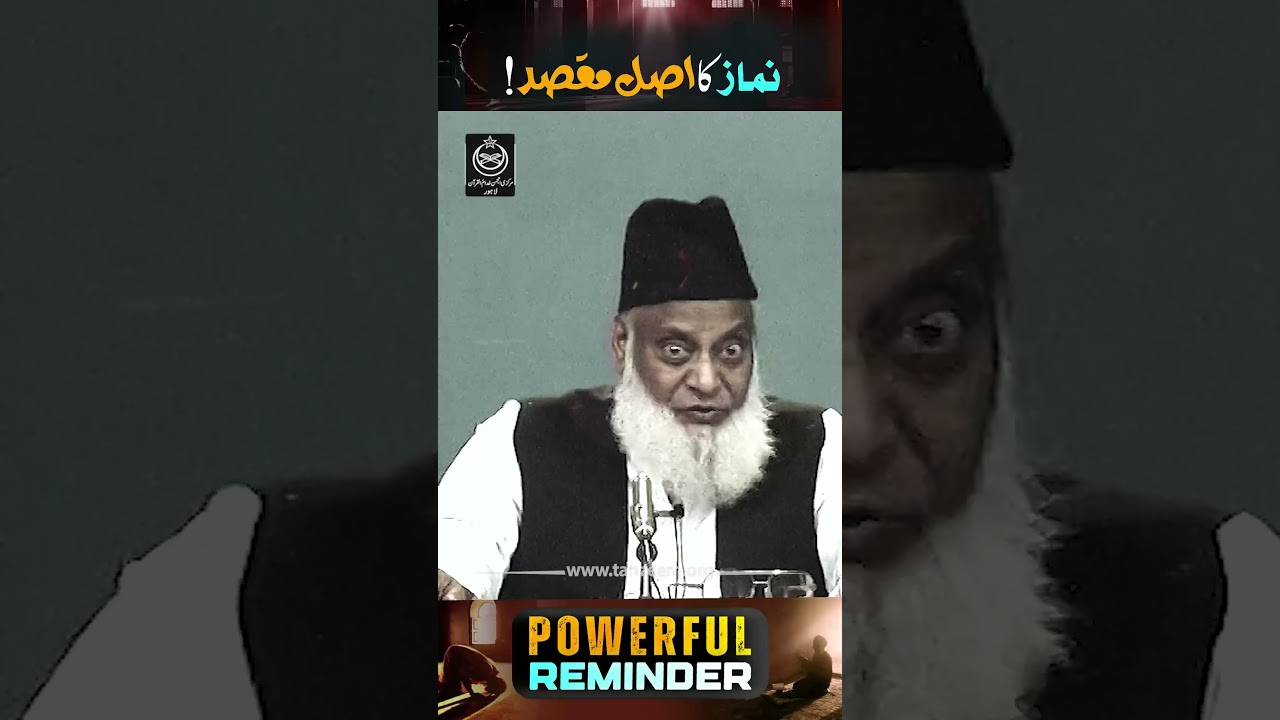
True prayer requires a conscious awareness of standing before God. The speaker explains that a spiritually dormant soul hinders genuine connection during prayer. A soul that is suppressed, crushed, or dead cannot facilitate a meaningful dialogue with the Divine. Even if one observes all the rituals of prayer – the five daily prayers, adopting a pious appearance – these acts are ineffective without a revived, communicative spirit. The speaker emphasizes that a connection with the Divine is established through the awakening of the soul and a direct, heartfelt conversation with God.
43

True faith necessitates prioritizing devotion to God above all else, even familial bonds. This lecture explores the conditions for attaining genuine faith, emphasizing that complete obedience to God is a continuous struggle against internal desires and external temptations. Four fundamental acts of worship are presented as pillars supporting a life of sincerity and devotion. The lecture stresses the difficulty of this pursuit, acknowledging the influence of the self and the constant efforts needed to overcome worldly inclinations. Genuine worship demands a wholehearted commitment, transcending mere ritualistic observance.
49
