短裤

The lecture discusses the practice of adorning sacrificial animals with silk cloths and parading them, deeming it a display of wealth rather than a spiritually meaningful act. True sacrifice, it emphasizes, should stem from inner piety and submission to God. The speaker highlights that genuine devotion lies in humility and sincere worship, referencing the verse encouraging the Prophet to give glad tidings to those who are humble before God. The focus is on the internal state of the worshiper, not outward show.

50

Human beings, like all animals, are driven by fundamental needs: sustenance and procreation. These base desires, originating from the *nafs* (ego/self), are inherently amoral, demanding satisfaction without regard for ethical considerations like *halal* (lawful) or *haram* (unlawful). The Quran emphasizes the need to control these primal urges. The human self is a source of both potential and temptation, requiring spiritual guidance and discipline to avoid succumbing to base instincts. This lecture explores the nature of these desires and the importance of self-control in Islam.
66

The Prophet Muhammad (peace be upon him) observed Tarawih prayers individually for only three nights, leading an eight-rak’ah congregation. He performed these prayers after the Tahajjud prayers. The practice of offering twenty rak’ahs in congregation did not exist during the Prophet’s era or the caliphate of Abu Bakr. It began during the caliphate of Umar ibn al-Khattab, who standardized the practice after observing fragmented congregations in the mosque. He instituted a system of twenty rak’ahs to be performed immediately after Isha, led by a single imam.
80

This lecture clarifies the permissibility of continuing to eat and drink until the white thread of dawn becomes distinctly separate from the black thread of night. It addresses excessive caution observed by some regarding the timing of *suhoor*, emphasizing that one can complete their meal even after the call to prayer. The speaker explains that the period of fasting begins at sunset and ends with the start of a new day, and that strict adherence to precise timing isn’t necessary, citing the Prophet’s allowance for finishing a drink even after the *azaan*. The emphasis is on the blessing in consuming the pre-dawn meal and avoiding unnecessary rigidity in its observance.
53
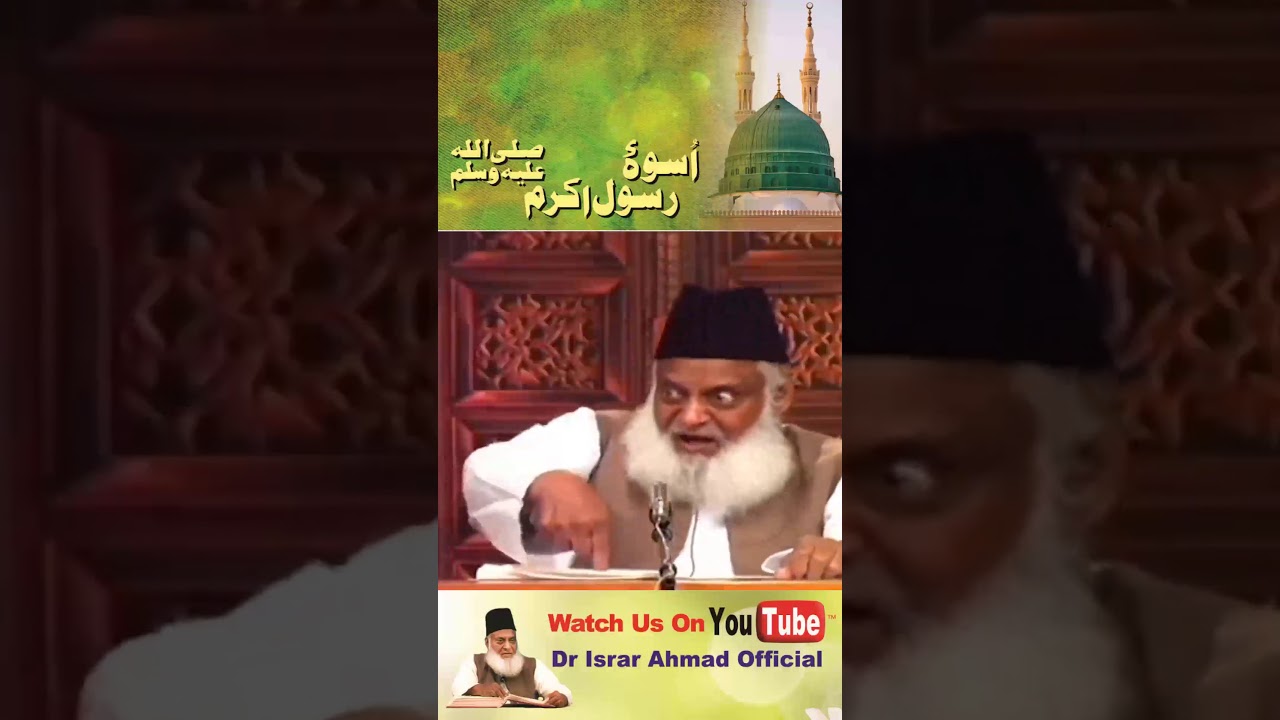
This lecture clarifies the true meaning of ‘Uswa-e-Hasana’ (the excellent example) as revealed in the Quran, specifically during the Battle of the Trenches. It moves beyond superficial interpretations like simply growing one's beard or raising trousers above the ankles. The core of the prophetic example lies in actively confronting falsehood, even at the cost of life and possessions. True adherence to the Prophet's way is demonstrated through unwavering struggle against evil, not merely through ritualistic observance of religious practices while remaining complacent in the face of injustice. It challenges the notion of a comfortable faith and emphasizes the proactive struggle against falsehood as the essence of the prophetic example.
89
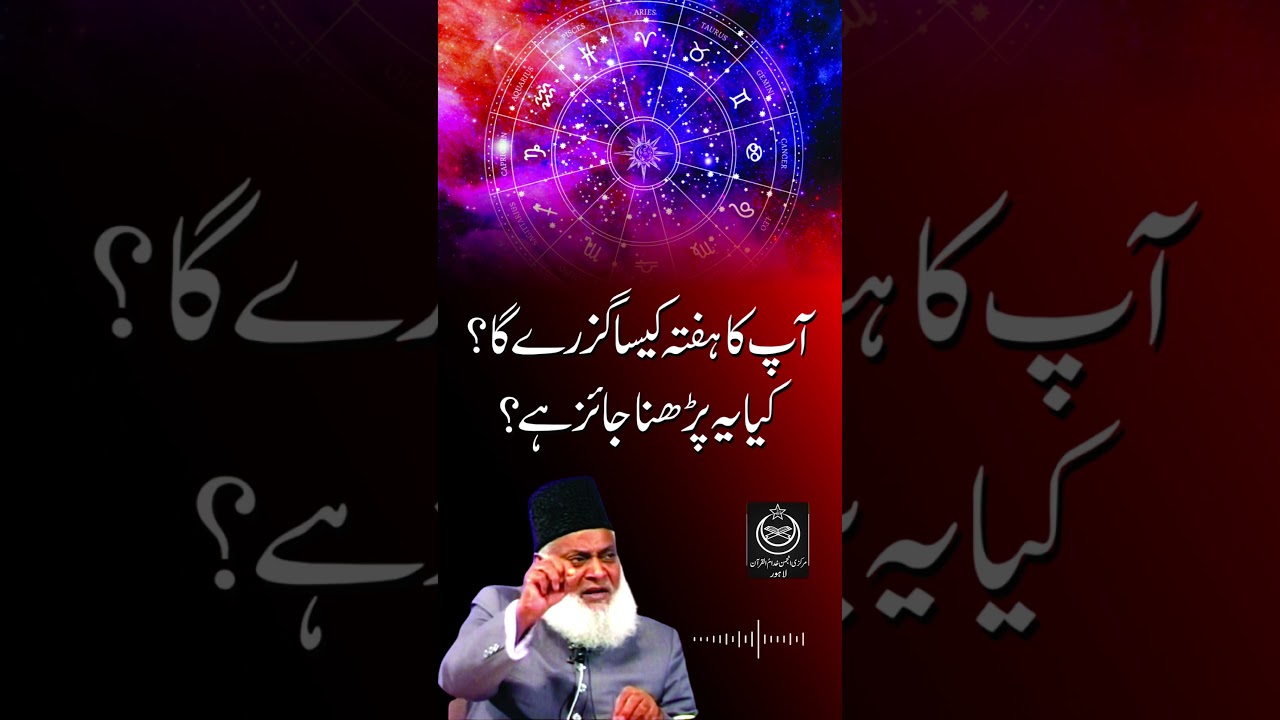
Dr. Israr Ahmad discusses whether reading newspapers or believing in astrological predictions constitutes a sin. He argues that engaging in frivolous activities is undesirable, and time should be dedicated to beneficial and righteous deeds. The lecture centers on the importance of safeguarding one’s time and utilizing it for constructive purposes, rejecting activities that distract from spiritual growth and meaningful work. Belief in astrology is explicitly identified as sinful.
59
