Şort

This lecture discusses the profound significance of Ramadan. It highlights that the blessings of this sacred month begin to manifest even before its official commencement, foreshadowing the spiritual benefits to come. The speaker emphasizes Ramadan as a time of immense blessings and spiritual elevation, particularly noting the presence of Laylat al-Qadr, a night superior to a thousand months. The talk centers on the anticipation and arrival of this blessed month, and the preparation for its spiritual opportunities.

75

This lecture clarifies the misconception surrounding collective repentance. True repentance begins with individual introspection and sincere regret. A significant shift in societal norms occurs only when enough individuals genuinely repent and strive to reform the system. Mass gatherings alone, like those during Hajj, do not guarantee systemic change if not coupled with personal transformation. The speaker emphasizes that merely performing rituals without inner renewal yields no lasting impact. The current system, riddled with usury and irreligious practices, necessitates individual repentance as a starting point for broader societal reform. The speaker explains that large gatherings without true repentance will not yield any changes.
55

This lecture explores the importance of constant remembrance of God and the Beloved. It emphasizes focusing on every moment as potentially the last, urging listeners to dedicate each breath to seeking forgiveness and offering supplications. The speaker highlights a lack of genuine attention to spiritual matters and encourages a profound shift in perspective, advocating for complete devotion and surrender to the Divine. The discussion draws a parallel to Iqbal’s call for dismantling obstacles to spiritual enlightenment, suggesting a rejection of superficiality and a commitment to inner transformation.
17

This lecture emphasizes the importance of complete submission to God and consistently living in a state of obedience. It cautions against even a moment of disobedience, highlighting the unpredictability of death and urging constant vigilance. The speaker stresses that death can arrive at any moment, even during sinful acts, making continuous self-accountability and adherence to divine commands paramount. The message encourages a life lived with awareness of mortality and a commitment to unwavering obedience.
278
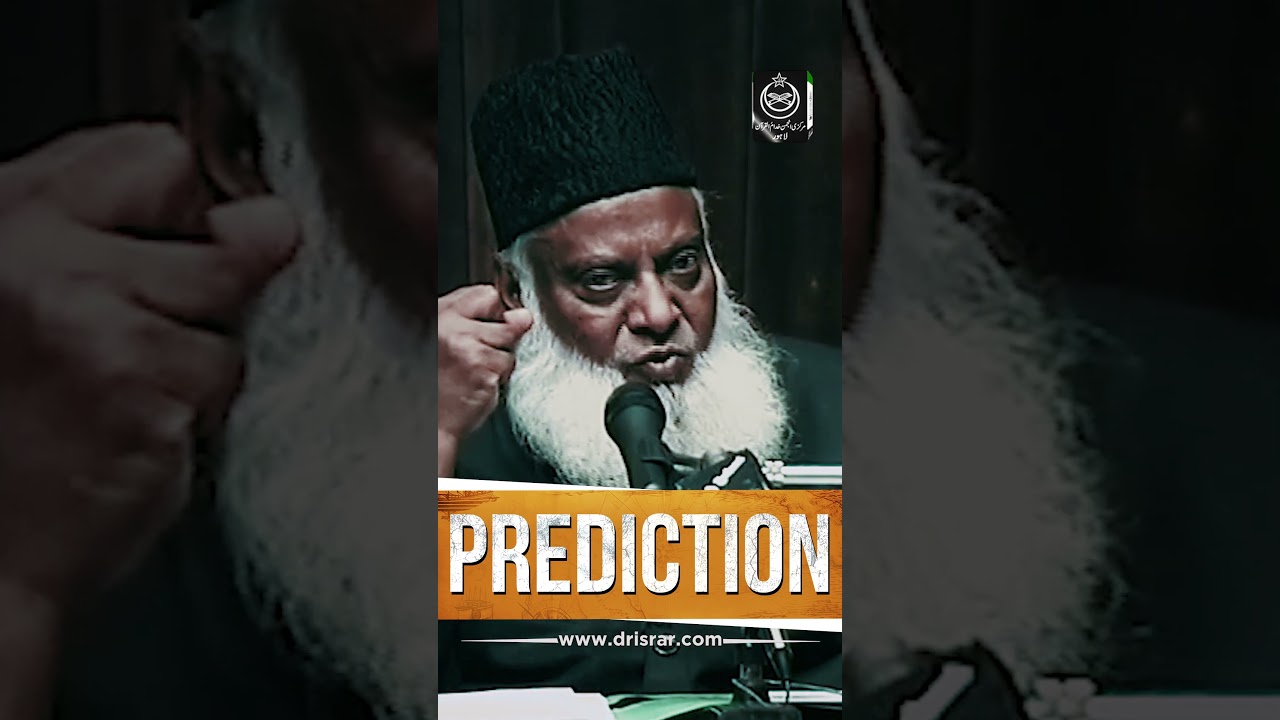
This lecture discusses the potential re-establishment of a caliphate rooted in the principles of the Prophet Muhammad, specifically predicting its emergence in Pakistan and Afghanistan following a potential division of Afghanistan and the integration of Pashtun areas with Pakistan. It posits that the Sindh Valley, as envisioned by Iqbal, will become the center of this caliphate, from which forces will operate. The lecture also addresses the Shia belief in the return of the twelfth Imam, who has been in occultation for over a thousand years, and their expectation of his leadership. It suggests this leader will establish a government and raise armies, while highlighting a perceived lack of strength in Arab nations.
60
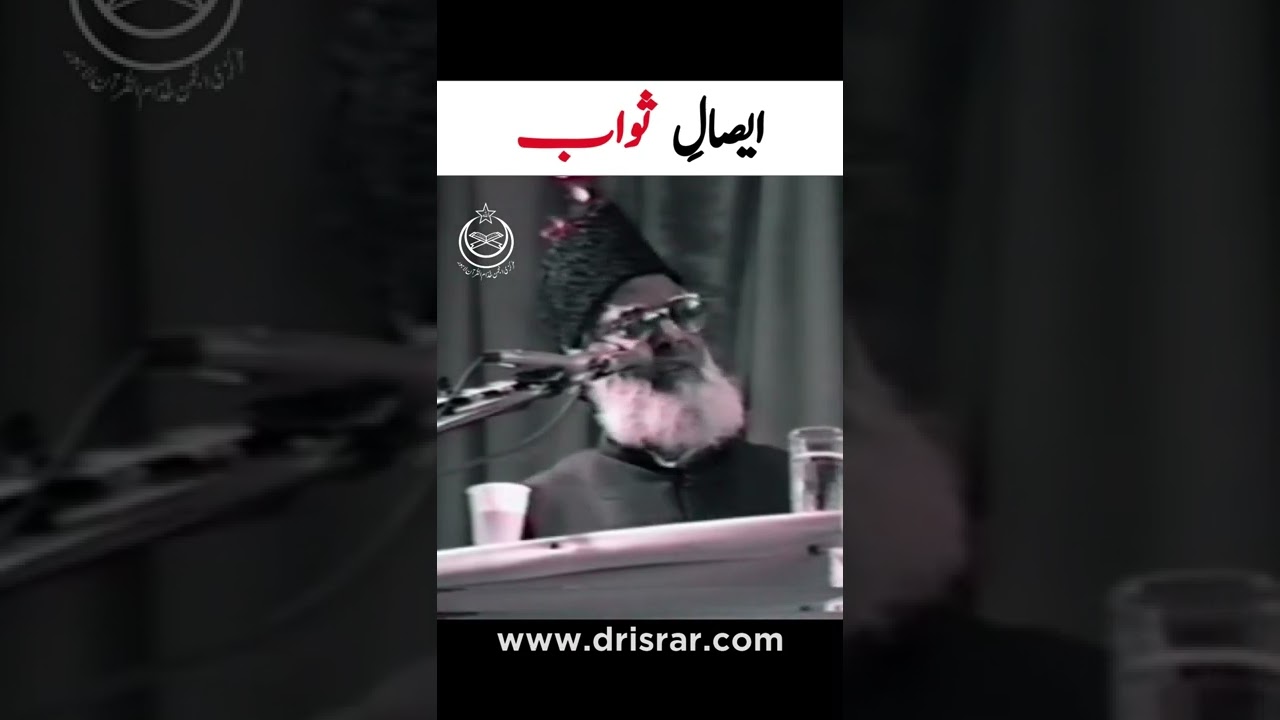
Iqbal lamented that Muslims often treat the Quran merely as a ritualistic recitation, devoid of understanding and application. He observes that its use is frequently limited to hastening the passing of a dying person with Surah Yaseen. While acknowledging the importance of reading the Quran, Iqbal stresses its primary purpose is to serve as a comprehensive guide for life. He criticizes the lack of focus on implementing its principles and benefiting from its wisdom, reducing a profound source of guidance to a superficial practice. The core message is that the Quran’s potential remains untapped due to a lack of genuine engagement and a failure to integrate its teachings into daily life.
67
