Quần short
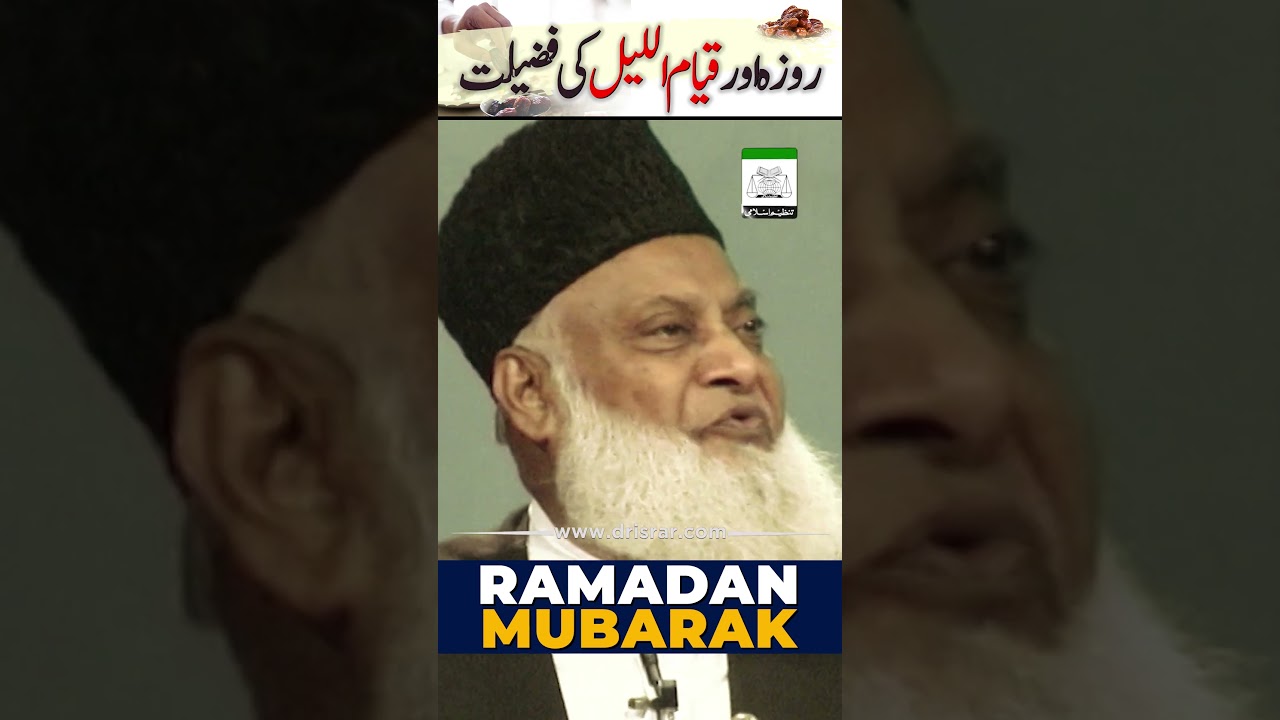
This lecture discusses the two central acts of worship in Ramadan: fasting during the day and standing in prayer (Tahajjud) at night. Fasting is obligatory, while Tahajjud, although highly encouraged and rewarded, is not compulsory. The speaker explains that while the Prophet Muhammad (peace be upon him) observed Tahajjud as a regular practice akin to an obligation, it remains optional for the general Muslim population. Those who perform Tahajjud will receive a high status with Allah. The emphasis is on voluntary devotion and the blessings within Ramadan’s nights.

67
This lecture explores the concept of aligning one’s life entirely with the will of God. It emphasizes that true devotion involves surrendering all aspects of existence – prayer, sacrifice, life, and death – to the divine. The speaker argues that when life is dedicated to God, it transcends earthly pursuits and becomes a source of spiritual strength. Material means and worldly endeavors should become secondary to this divine connection, and individuals should strive for a life of complete submission and purpose. The ultimate goal is to have one's heart filled with reverence for God.
47
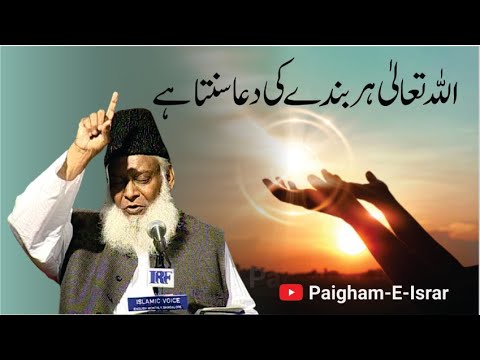
This lecture emphasizes that prayer (dua) is the core of worship. God hears and responds to every sincere call, irrespective of the supplicant’s location or posture. God accepts prayers offered from any place, whether at home or elsewhere, and responds to those who turn to Him with devotion. The essence of faith lies in maintaining a constant connection with God through heartfelt supplication.
63
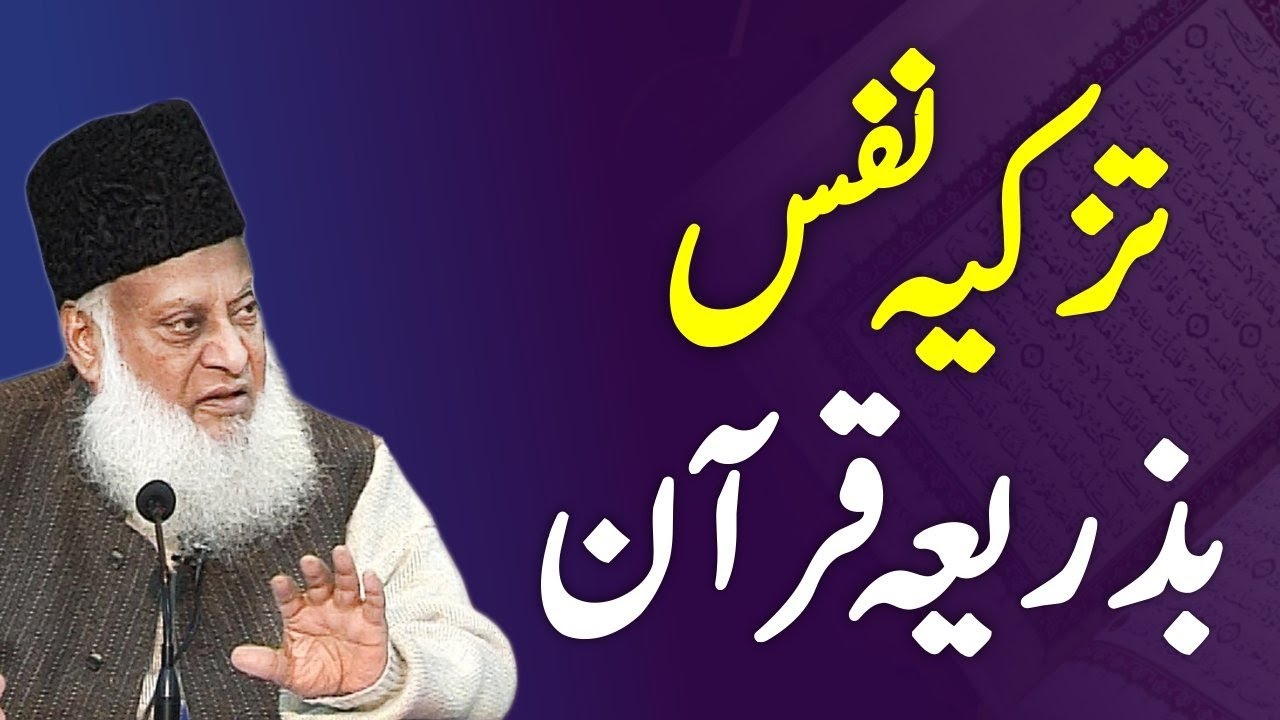
Dr. Israr Ahmad comprehensively explains the profound concept of *tazkiya* (self-purification) as outlined in the Quran. He breaks down the process into four essential stages: purification of thought (*tathir-e-fikr*), purification of the *nafs* (lower self), purification of the heart (*tasfiya-e-qalb*), and illumination of the soul (*tajalliy-e-ruh*). He emphasizes that true progress requires removing obstacles to spiritual growth, addressing both internal and external influences. The lecture highlights the Quran as the primary tool for *tazkiya*, detailing how it affects the intellect, the heart, and the soul. Dr. Ahmad draws parallels between the Quran's wisdom and the purification process, explaining how its verses resonate with the human spirit. He concludes by referencing the teachings of Iqbal and Hadith, further illustrating the importance of confronting and reforming the inner self, and how the Quran can transform an individual’s life.
180
The natural progression of love shifts throughout life. Initially, a child's love is wholly focused on their parents due to dependence. As individuals mature, marry, and have children, the sphere of their affection expands, inevitably diminishing the exclusivity of parental love. Maintaining a strong connection with parents requires conscious effort and is considered a divine command. This lecture explains that prioritizing parental affection isn't automatic; it's a deliberate act of obedience to God’s will and a demonstration of gratitude for their sacrifices. It is a reminder to treat parents with kindness and respect, recognizing that fulfilling this obligation is not merely a natural impulse but a religious duty.
60
This lecture discusses the internal and external forces that incite the ego (nafs) to evil. It identifies both invisible forces—Satan and his jinn followers—and visible agents among humans who promote immorality as culture. The speaker emphasizes the necessity of actively resisting these pressures and recognizing Satan as an enemy to protect oneself from corruption and maintain spiritual integrity. Succumbing to these influences leads to spiritual decline and moral degradation. The core message is a call to vigilance and proactive opposition against all forms of evil.
61
