Shorts

This lecture discusses the concept of divine provision (rizq) and acceptance of God’s will. It explains that while individuals should strive to fulfill their obligations and help others, ultimate control over changing circumstances rests with God. The speaker emphasizes that one should do their best within their capacity, and accept that outcomes are ultimately in God's hands. The lecture highlights the importance of fulfilling one's duty with moderation and accepting God’s decree.

57

The lecture clarifies that love for anyone or anything should not equal or exceed love for God. Equating love with God constitutes *shirk* (associating partners with God). The Quran states some people create equals to God and love them as they should love God. True believers, however, possess a stronger love for God. Love for parents and children is permissible, but it must not surpass the love for God. This principle ensures devotion remains solely to God, preventing the elevation of created beings to a level comparable to the Creator.
59

The text details the events of the Battle of Karbala. Twenty families from the Banu Hashim clan fought bravely alongside Imam Hussain, sacrificing their lives. The battle saw intense fighting, with many from the Banu Hashim martyred. A young child of Imam Hussain was also among the martyrs. All male members of Imam Hussain's household were killed except for his son, Ali Zayn al-Abidin, who was ill and unable to participate. This occurred in 61 AH, exactly fifty years after the passing of the Prophet Muhammad.
68

Taghut refers to anything that transgresses the boundaries of worship and obedience to God. It originates from ‘tagha’, meaning to exceed limits. When something, be it an individual, institution, or state, oversteps the bounds of devotion intended solely for God, it becomes Taghut. This lecture defines Taghut as any entity that demands allegiance and submission outside of God’s commands. It emphasizes that the essence of worship is submission within defined limits, and exceeding these limits constitutes an act of Taghut. The concept extends beyond individuals to encompass systems and ideologies that usurp divine authority and demand absolute obedience, leading to a deviation from true worship.
49

This world is fundamentally incomplete from the perspective of moral law. Physical laws operate with absolute certainty – transgression leads to consequence. However, moral failings, like lying or theft, often go unpunished in this life. This creates an inherent imbalance. A complete moral order, and the corresponding consequences for actions, necessitates another world, another existence where justice prevails. The speaker emphasizes the deficiency of this world’s system of accountability and advocates for a realm where moral principles are fully realized and upheld.
50
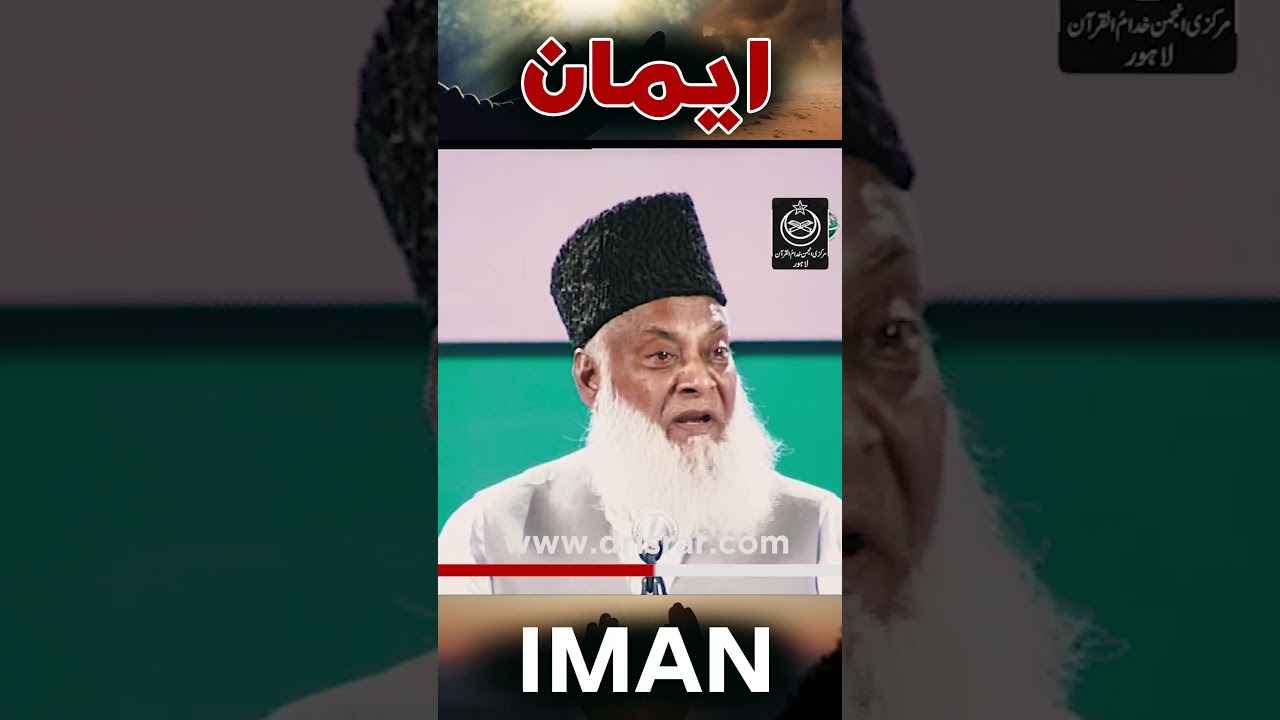
This lecture details the fundamental tenets of faith in Islam. It covers belief in Allah, the prophets, the final prophet Muhammad (peace be upon him), revealed scriptures including the Quran, the Day of Judgment, accountability, life after death, Paradise, and Hell. The discussion highlights the extensive treatment of these topics within the Quran, particularly in its earlier Meccan verses.
62
