শর্টস

This narrative recounts the brutal torture inflicted upon Hazrat Samia and Hazrat Yasir, early converts to Islam, by Abu Jahl. Despite relentless physical abuse, including being tied to pillars and subjected to intense pain, they refused to renounce their faith. Abu Jahl offered to spare Hazrat Samia's life if she acknowledged the divinity of an idol, but she spat at it, intensifying his wrath. The account highlights their unwavering commitment to Islam in the face of extreme adversity and the prophetic announcement of their eventual reward in paradise, delivered by the Prophet Muhammad (peace be upon him).

57
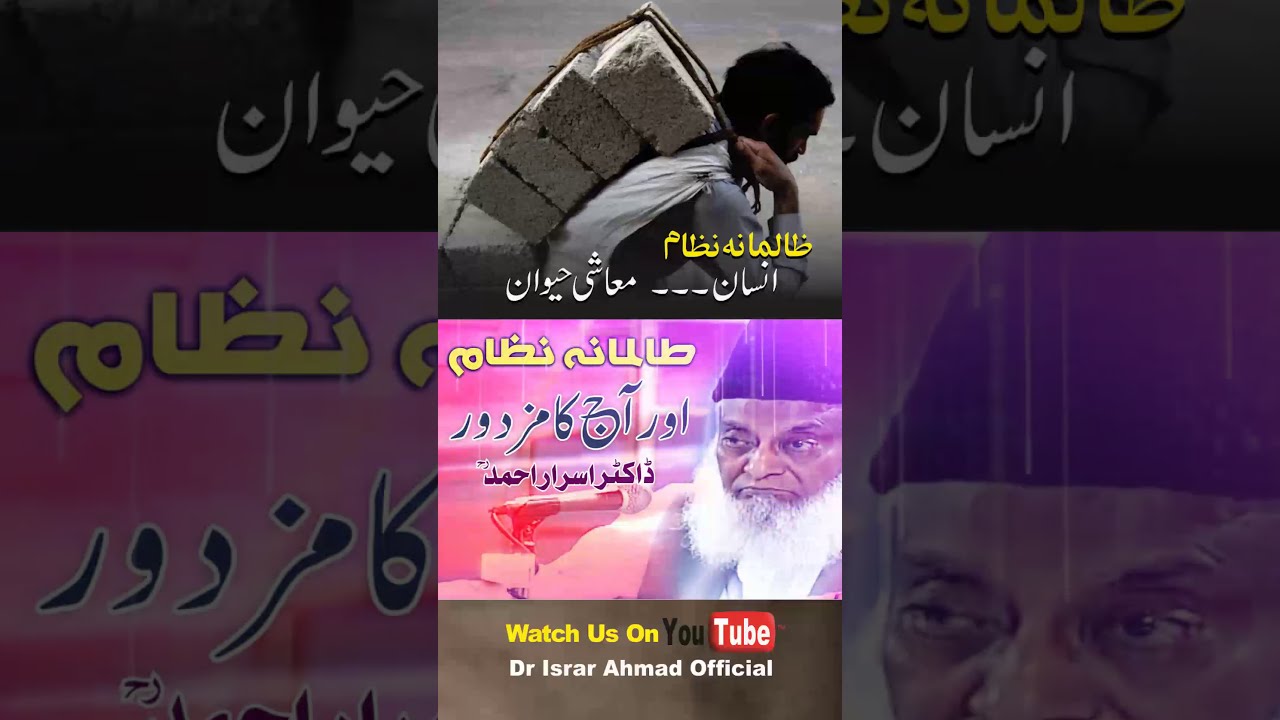
This lecture addresses the plight of the impoverished, highlighting the harsh realities faced by those struggling to meet basic needs. It emphasizes that individuals preoccupied with daily survival – those who cannot consistently secure even two meals a day and labor for ten to twelve hours – are deprived of the capacity for spiritual contemplation. The speaker asserts that systemic poverty degrades humanity, reducing individuals to a bestial existence, akin to livestock. This degradation strips them of their dignity and their ability to connect with the divine.
1,424
A nation claims to believe in God, the Prophet, the Quran, and Sharia, yet fails to fully implement it. Partial adherence is deemed worse than outright rejection. The Quran, specifically Surah Baqarah verse 85, warns that selective acceptance of divine law leads to severe punishment. Those who choose this path face disgrace in this world and intense torment on the Day of Judgment. This lecture emphasizes the necessity of complete submission to the entirety of Sharia for true faith and salvation.
57
This lecture emphasizes the critical state of the Muslim community and the neglect of its core religious principles. It argues that faith isn’t merely for personal salvation but requires active preservation and implementation in all aspects of life. The speaker warns against complacency and encourages Muslims to uphold their faith against external pressures and internal decay, reminding them of their responsibility to establish and maintain religious principles. It stresses that a faith trampled upon while its adherents remain passive is a betrayal of its true purpose.
76
Dr. Israr Ahmad discusses the differences between Christian and Islamic marriage ceremonies. He highlights that in Christian weddings, the bride and groom stand face-to-face before the priest, openly professing their acceptance of each other. This contrasts with the Islamic practice where the bride and groom often remain somewhat secluded during the Nikah. He observes the respect afforded to the church and the priest within the Christian tradition, and contrasts this with the often-devalued position of the Imam or Nikah officiant in some Muslim communities. The lecture emphasizes the importance of dignity and reverence in religious practices.
68
Dr. Israr Ahmad discusses the degree to which adopting modern terminology with Islam is permissible or undesirable. He argues for caution regarding new terms, asserting each carries inherent connotations inseparable from its meaning. However, he acknowledges effective communication requires utilizing contemporary language to reach modern audiences, advocating for a balanced approach – using current terminology for conveyance but avoiding rigid adherence to it.
47
