Kratke hlače
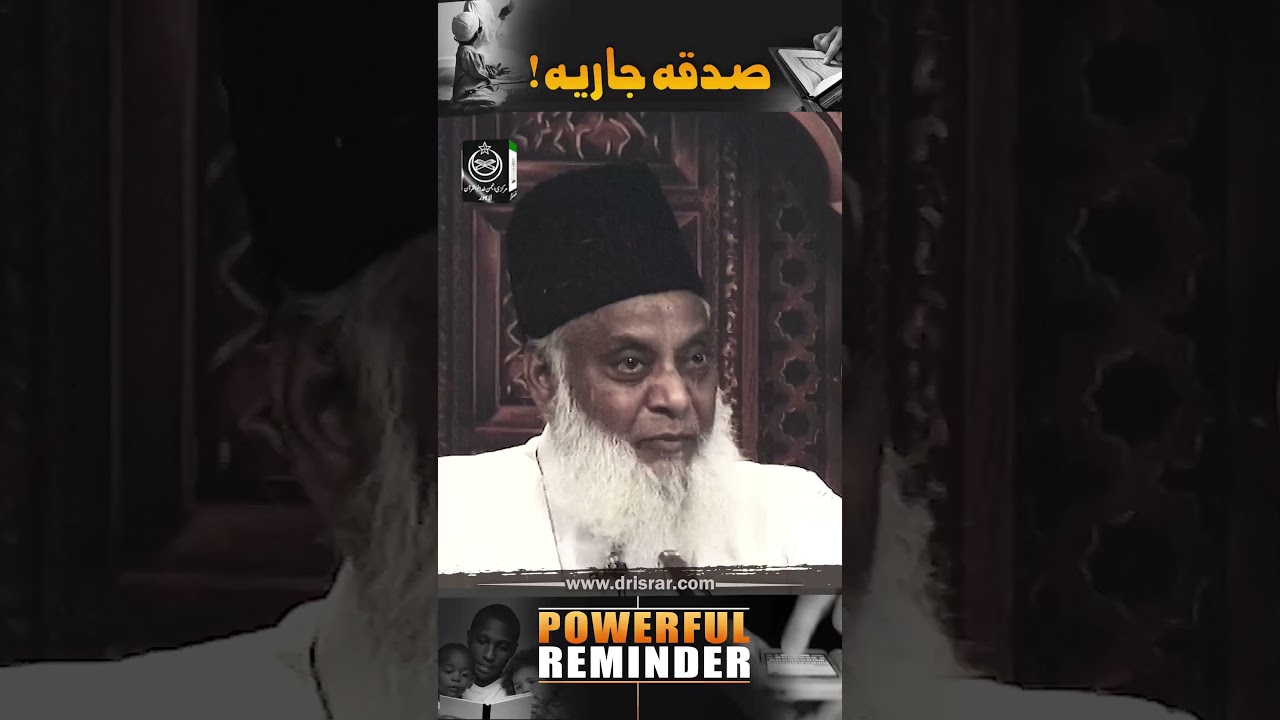
This lecture explores the lasting consequences of our actions, both good and bad, extending beyond our lifetime. It emphasizes that righteous offspring benefit society and contribute to ongoing religious service, while poorly raised children spread negativity, for which we are accountable. All deeds, visible and hidden, are known to God, and ultimately, all matters return to Him. The speaker highlights that the effects of our actions continue even after death, impacting future generations and our ultimate reckoning.

56
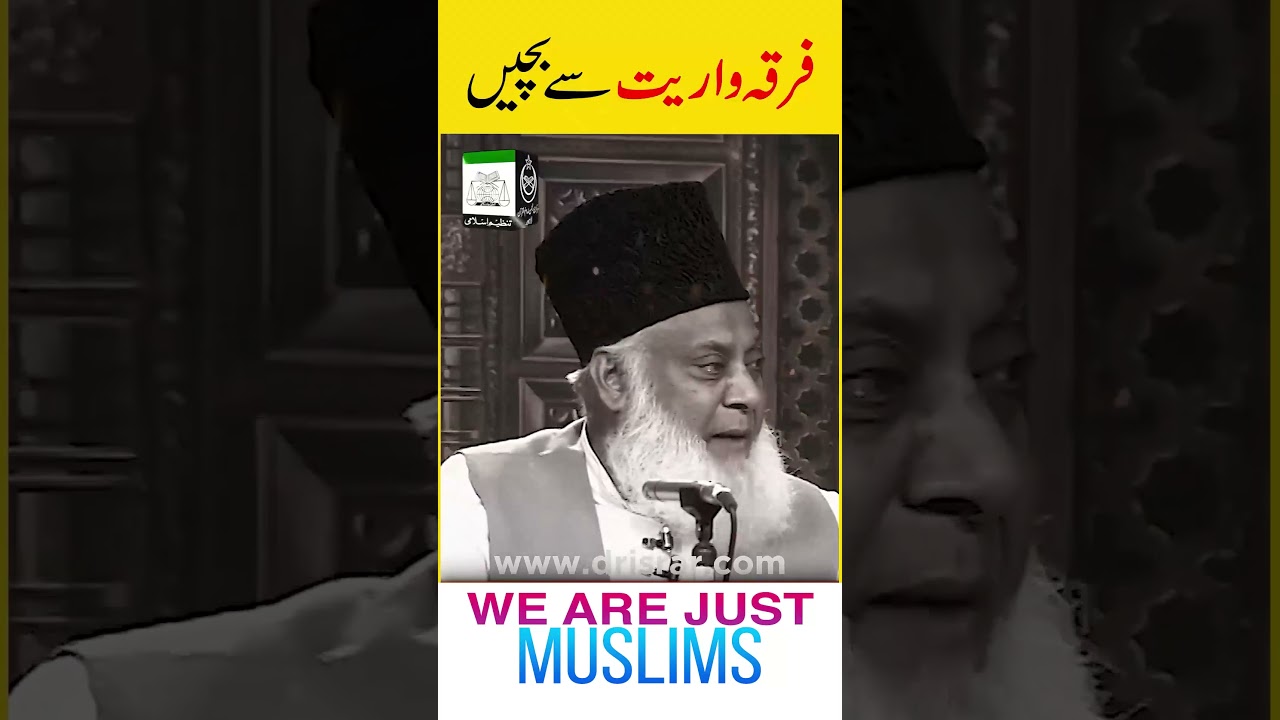
This lecture clarifies the dangers of sectarianism and emphasizes the importance of unity within the Muslim community. It explains that forming separate factions based on personal understanding or lineage is detrimental. The Quran clearly identifies Muslims as a unified body, and adhering to this principle is crucial. The speaker stresses that Muslims should unite under the single identity of ‘Muslim’ as ordained by God, rejecting divisions that arise from differing interpretations or the creation of new groups. It condemns the formation of new sects and emphasizes the importance of remaining unified under the banner of Islam.
53

This lecture explores the divine promise of acceptance for those who sincerely call upon God. It emphasizes that God actively encourages supplication and responds to the needs of His creation. The speaker clarifies that reluctance to ask from God evokes His displeasure, while persistent supplication, especially during the last third of the night, is met with response. However, arrogance and pride in worship are cautioned as barriers to divine acceptance, leading to the consequences of hellfire. The core message is about humility in prayer and the power of sincere supplication.
63
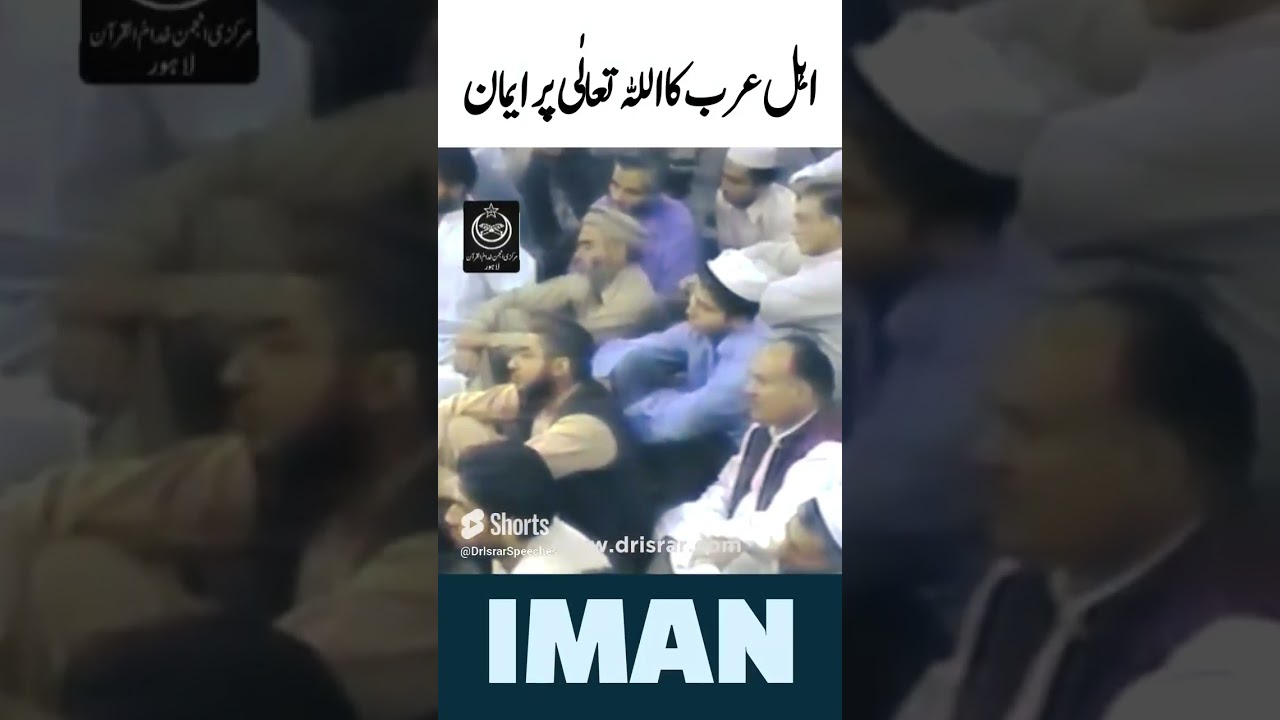
Early Arabs primarily believed in Allah, though they also worshipped various deities and idols. They believed these idols would intercede on their behalf in the afterlife. While many acknowledged the existence of the afterlife, they struggled to reconcile the concept of resurrection with the physical decay of the body. Some believed their deities would protect them, reflecting a complex blend of monotheistic and polytheistic beliefs. This lecture explores the nuances of their faith and understanding of the divine and the hereafter.
39
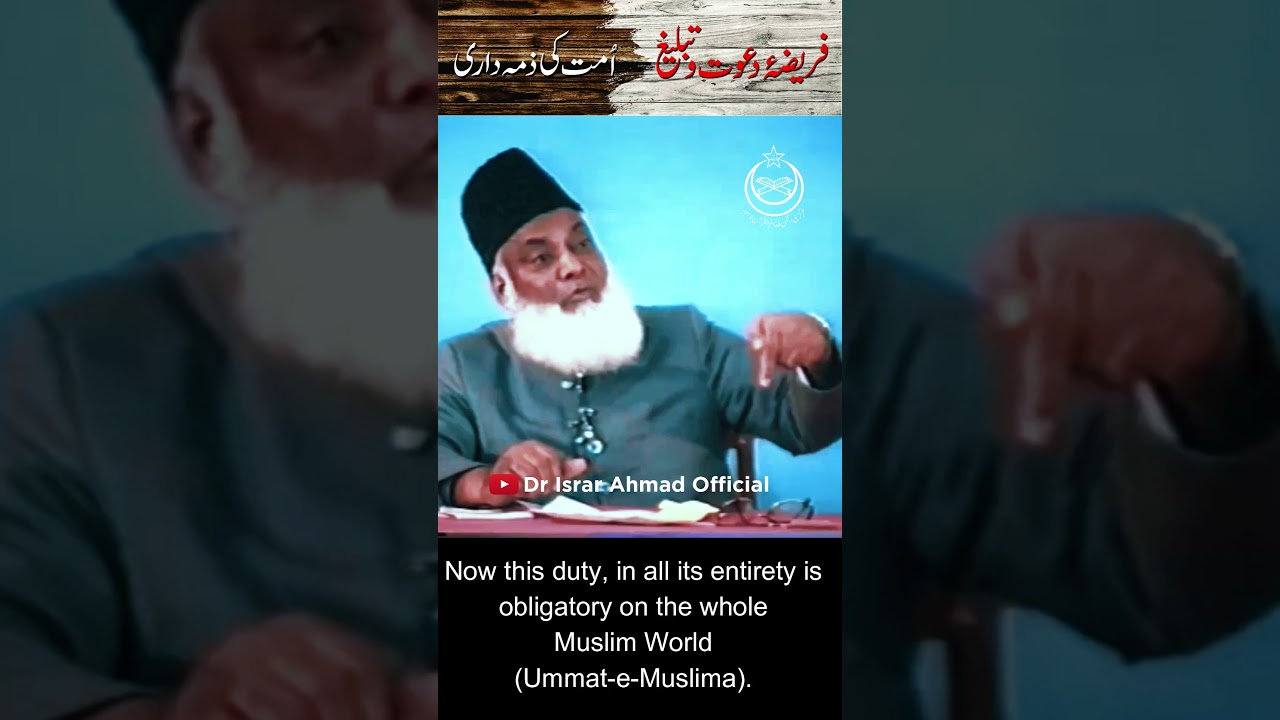
This lecture emphasizes that propagating the message of Islam is no longer the sole responsibility of prophets, but a collective obligation incumbent upon the entire Muslim community. It argues that Muslims must actively convey the faith through their actions and outreach, becoming living examples of its principles. Failure to do so will result in a negative testimony on the Day of Judgment, with the community being held accountable for not upholding the legacy of the Prophet. The speaker stresses that establishing a clear argument for faith before all of humanity is a fundamental duty, requiring dedication of resources and abilities to effectively spread the message of Islam.
219
This lecture addresses a critical deviation within the Muslim community, identifying a shift towards Murjiya – a state of complacency where outward claims of faith overshadow genuine inner conviction. It clarifies the distinction between legalistic faith, reliant on outward actions, and true faith rooted in sincere belief and heartfelt certainty. The speaker emphasizes that authentic faith necessitates the inseparable integration of belief and practice, where deeds are not merely supplementary but integral components of a living, breathing faith. The lecture warns against prioritizing outward adherence to rituals over cultivating genuine fear of God and hope for His mercy, advocating for a balanced state between these two essential qualities.
54
