Kurze Hose
This lecture discusses the human tendency to form opinions and suspicions about others. It emphasizes that forming negative judgments without concrete evidence is harmful and unjust. While doubt itself is not inherently bad, it should prompt caution and careful consideration rather than immediate negative action. The speaker stresses the importance of avoiding pre-judgment and treating others with fairness, even when suspicions arise. Caution and thoughtful evaluation are preferable to hasty, unjust decisions.

53
The text addresses the question of resurrection and the origin of life, arguing that if a creator initially fashioned existence from humble beginnings, replicating that creation is demonstrably easier the second time. It posits that the initial act of creation is the most challenging, while subsequent iterations are simplified. The argument extends to all of creation—from scientists like Einstein and Newton to prophets and saints—all originating from the same source and thus potentially recreatable.
47

This lecture details the rulings surrounding I'tikaf during the last ten days of Ramadan. It clarifies that I'tikaf begins after the completion of the first twenty nights and continues until the sighting of the new moon marking the start of Shawwal. The lecture specifically addresses the prohibition of marital relations for those observing I'tikaf within the mosque, while permitting visitation from spouses for necessary consultation. The wisdom behind these rulings will be discussed further.
84
This lecture explores the transient nature of worldly possessions and the true purpose of life as a test from God. It highlights that the beauty of the earth is a temporary distraction designed to evaluate humanity's actions and devotion. The sermon details the inevitable destruction of all material things on the Day of Judgement, transforming the earth into a barren plain. The ultimate measure of success lies not in accumulating wealth or indulging in earthly pleasures, but in maintaining a sincere connection with God amidst the allure of this world. The lecture emphasizes that true believers will remain steadfast in their faith and devotion, while others will be consumed by the fleeting attractions of the world. The earth, as described in the Quran, will be leveled, devoid of mountains, valleys, or any trace of its former beauty, serving as a stark reminder of the impermanence of all creation.
48
Life is a journey with the afterlife as its ultimate destination. This world is a provision for the hereafter, not one’s permanent home. The core message emphasizes *taqwa* (God-consciousness) as the path to a meaningful existence. Humanity, originating from Adam and Eve, is interconnected and should maintain reverence for God in all dealings, recognizing Him as the ultimate source of fulfillment for all needs. The lecture stresses the importance of piety and recognizing our relationship with God and each other.
57
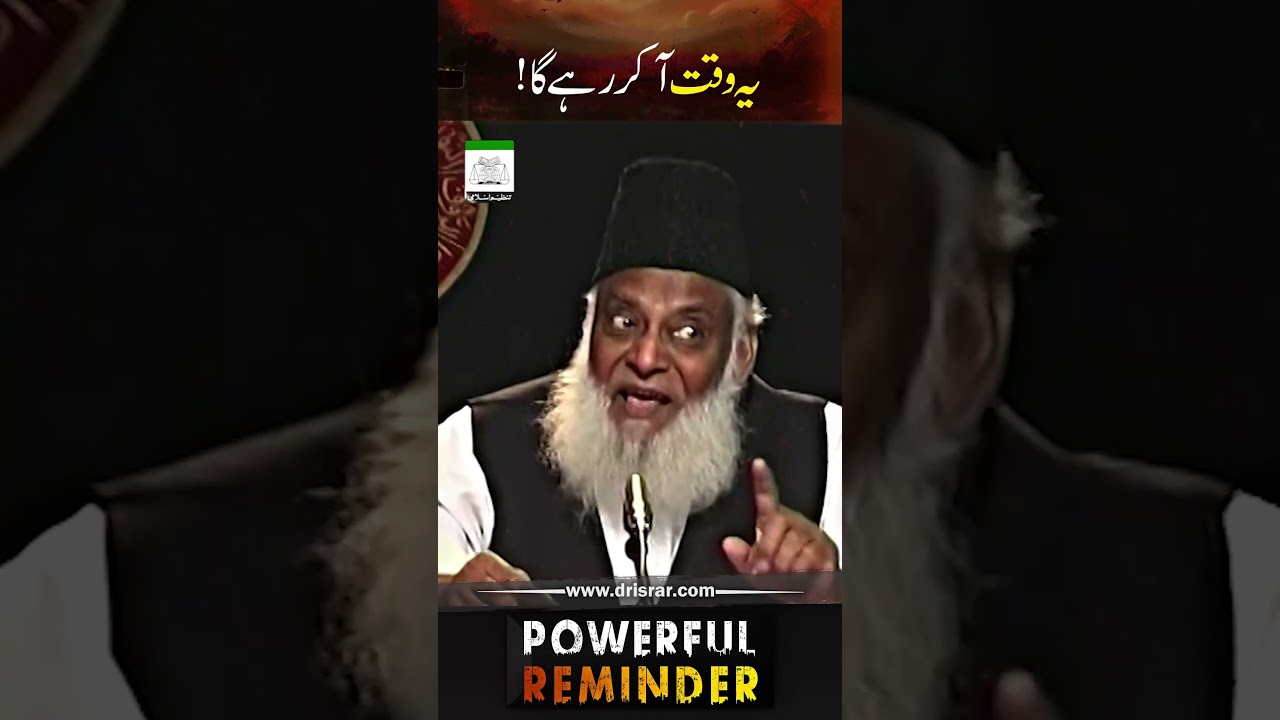
This lecture details the inevitable arrival of the final hour, a cataclysmic event preceding the Day of Resurrection. It describes a complete transformation of the world, where mountains will crumble and all structures will be reduced to dust. This event, distinct from the Resurrection itself, is a prelude to a time of reckoning where all individuals will be resurrected from their graves, or wherever their remains lie, to face judgment. The speaker emphasizes this hour as a complete annihilation followed by a subsequent resurrection and accountability.
50
