Shorts
This lecture discusses the human tendency to form opinions and suspicions about others. It emphasizes that forming negative judgments without concrete evidence is harmful and unjust. While doubt itself is not inherently bad, it should prompt caution and careful consideration rather than immediate negative action. The speaker stresses the importance of avoiding pre-judgment and treating others with fairness, even when suspicions arise. Caution and thoughtful evaluation are preferable to hasty, unjust decisions.

53
The company of those possessing a strong conviction in faith naturally imparts that conviction to others. This is a natural phenomenon, similar to how heat radiates from a furnace or cold emanates from ice. Just as sitting near a furnace brings warmth without effort, associating with people of certainty cultivates faith within oneself. This process of acquiring conviction occurs passively through companionship, mirroring the principle that love begets love. The effect of being around those with strong faith is that it strengthens one's own belief.
64
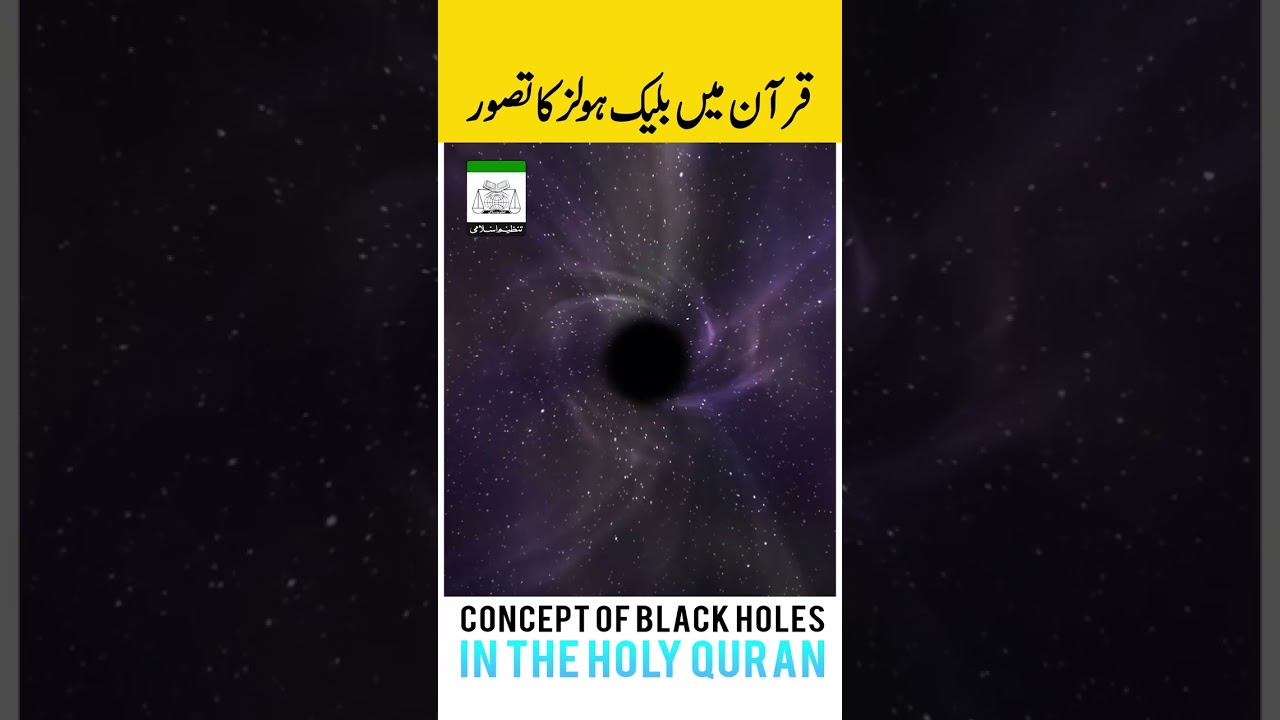
This lecture explores the astronomical significance of stars and galaxies, specifically addressing their eventual decline and disappearance. It posits that the setting of stars isn't merely a physical event but a profound cosmic process. The passage highlights the vastness of space and the eventual fate of even massive galaxies, suggesting a cyclical pattern of creation and destruction. It emphasizes the immensity of the universe and the eventual disappearance of galaxies, not just stars. This is a deep exploration of cosmic phenomena and their philosophical implications.
72
This lecture explores the concept of *noor* (light) as inherent within the human heart and soul, predating the revelation of the Quran. The Quranic light, upon its descent, awakens and activates this pre-existing inner illumination. This process is exemplified in the Prophet Muhammad’s life, where the Quran served as a catalyst for his inherent spiritual capacity. The Quran is presented as a divine guide, empowering the Prophet to lead humanity towards righteousness. The lecture emphasizes the transformative power of the Quran in illuminating the inner self and guiding others towards the straight path.
58
This lecture details a conversation where individuals express extreme devotion through perpetual worship, fasting, and abstinence from marriage. The Prophet Muhammad (peace be upon him) responds, asserting his own piety and emphasizing that true faith lies in following his teachings and sunnah. He clarifies that deviation from his sunnah signifies exclusion from his followers. The lecture underscores the importance of balance and adhering to the Prophet’s guidance in religious practice.
141
The Prophet Muhammad (peace be upon him) compared the heart to iron; just as iron rusts when exposed to water, the heart corrodes with sin and worldly attachment. He outlined two remedies for this spiritual rust: constant remembrance of death and recitation of the Quran. The temporary nature of worldly life should be acknowledged; this world is not our true home, but a temporary abode. We were created for the afterlife, and focusing on that ultimate destination purifies the heart and prepares it for eternal peace.
63
