Quần short
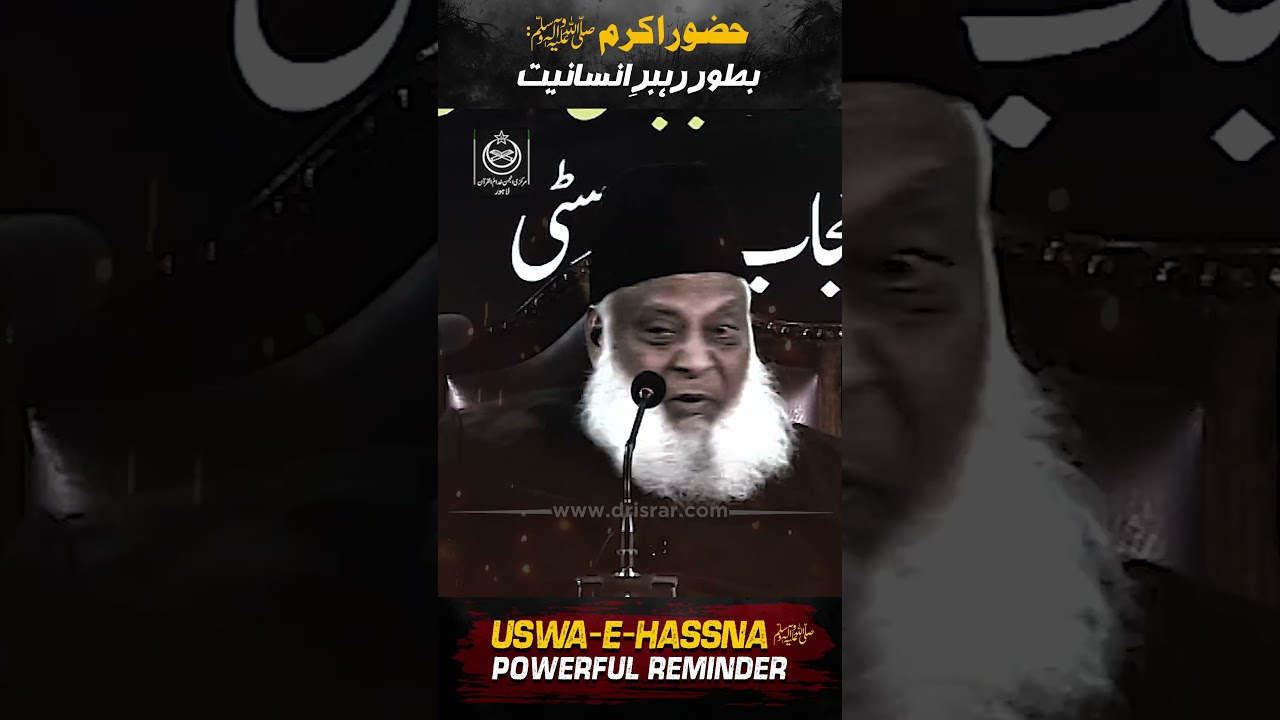
Dr. Israr Ahmad discusses the comprehensive nature of Prophet Muhammad’s personality, highlighting his multifaceted roles as a ruler, leader, judge, husband, father, and spiritual guide. He contrasts this with the limitations of modern religious leaders who often struggle to fulfill even basic duties like leading five daily prayers consistently. The lecture emphasizes that the Prophet Muhammad embodied all these roles flawlessly, serving as a complete example for believers. The speaker points out a disconnect in modern religious practice, where individuals dedicated to self-purification often avoid leading congregational prayers.

49
Human beings, like all animals, are driven by fundamental needs: sustenance and procreation. These base desires, originating from the *nafs* (ego/self), are inherently amoral, demanding satisfaction without regard for ethical considerations like *halal* (lawful) or *haram* (unlawful). The Quran emphasizes the need to control these primal urges. The human self is a source of both potential and temptation, requiring spiritual guidance and discipline to avoid succumbing to base instincts. This lecture explores the nature of these desires and the importance of self-control in Islam.
61
This lecture details the challenging events faced by the Prophet Muhammad (peace be upon him) during his visit to Taif. The incident at Taif proved more difficult than the Battle of Uhud due to the Prophet being alone with only Zaid ibn Harithah for protection. The people of Taif pelted the Prophet with stones, causing injury and humiliation. Zaid ibn Harithah bravely shielded the Prophet, sacrificing himself to protect him from the attack. This event highlights the Prophet’s resilience and the unwavering loyalty of his companions.
79
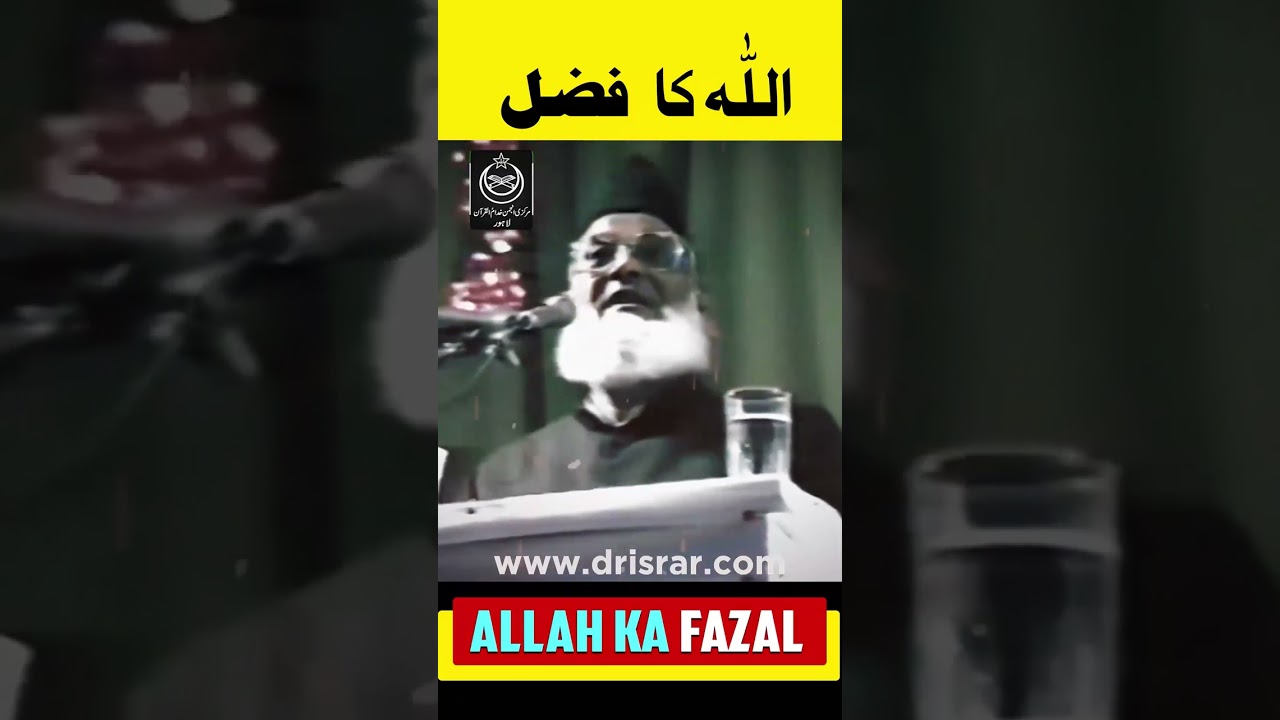
This excerpt emphasizes the Quran as a profound blessing and healing from Allah. It highlights the Quran as a source of guidance, mercy, and a testament to Allah’s grace. The text stresses that true joy should stem from possessing this divine gift, as it surpasses all worldly possessions. It’s a reminder to cherish and internalize the Quran's message for lasting happiness and spiritual fulfillment.
47
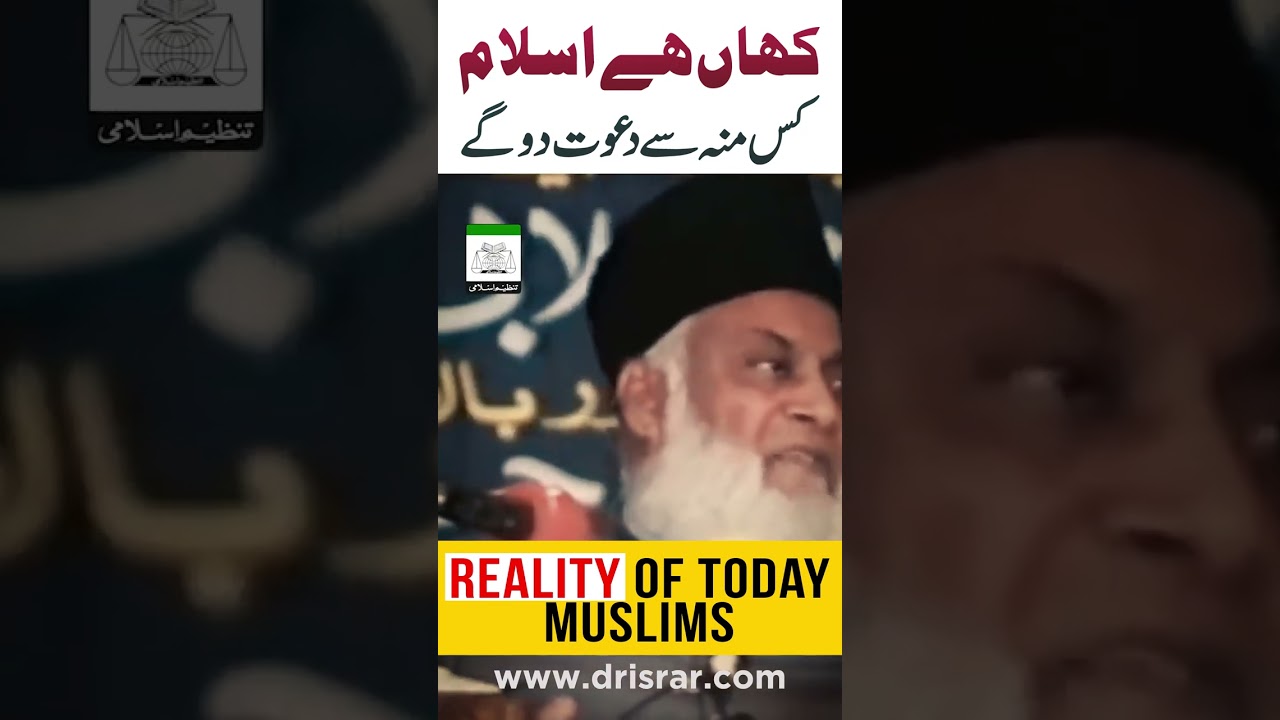
Dr. Israr Ahmad discusses the stark contrast between the beauty of the Quran and the current state of the Muslim community. He highlights the internal contradictions that hinder Islam’s appeal and advocates for reclaiming lost members of the Muslim *ummah* before attempting to proselytize others. He emphasizes the need for self-correction and internal reform, arguing that a focus on reviving the faith within the community is paramount. The lecture questions whether the current portrayal of Muslims attracts people to Islam or repels them, and stresses the importance of addressing internal issues before outward propagation.
48
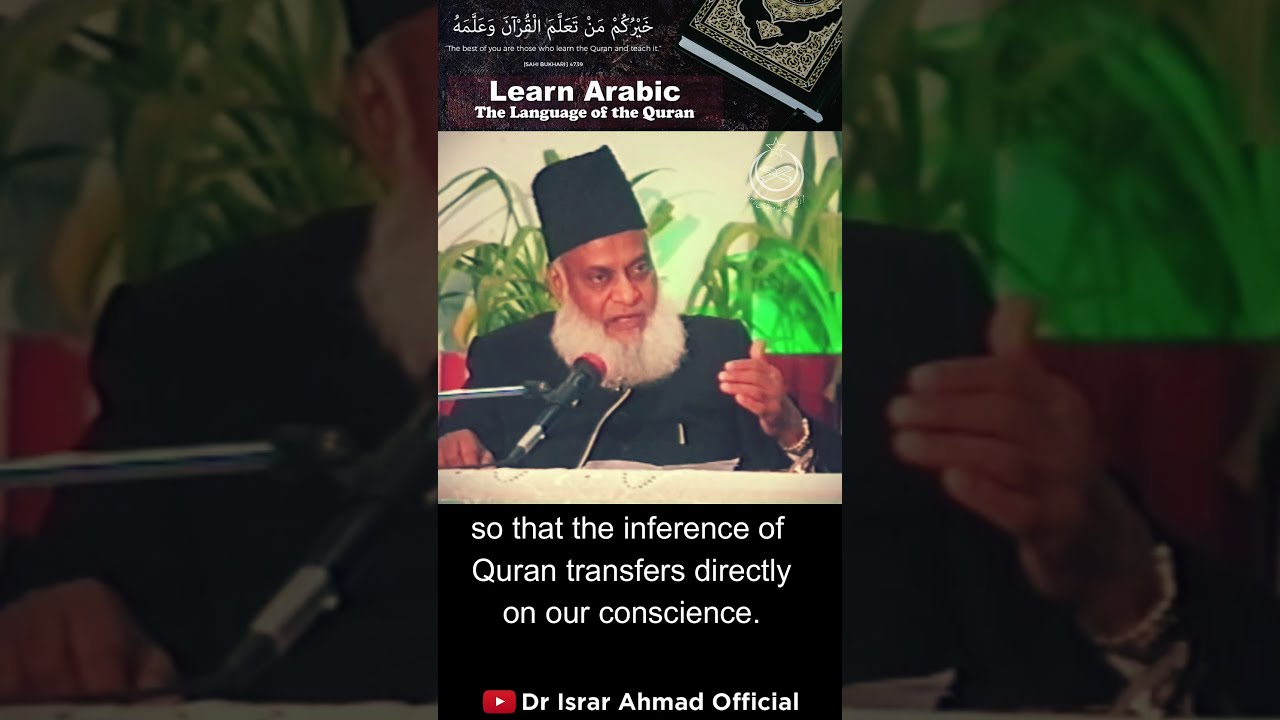
The Urdu language shares a profound connection with Arabic, extending beyond mere vocabulary. The script itself originates from Arabic, and numerous grammatical structures and lexical items are directly borrowed. This linguistic kinship makes learning Arabic particularly advantageous for Urdu speakers, facilitating a deeper understanding of religious texts like the Quran. Despite this inherent connection, sufficient effort hasn’t been directed towards mastering Arabic to directly grasp the Quran’s meaning. The speaker emphasizes the pervasive presence of Arabic-derived words in everyday Urdu speech, highlighting a missed opportunity for intellectual and spiritual enrichment.
50
