Шорты
This lecture emphasizes that the completion of divine law through the Prophet Muhammad (peace be upon him) necessitates adherence for personal growth and fulfillment. It clarifies that Islamic law is not a burden but a guide for navigating life’s challenges, using the analogy of road signs on a dangerous mountain path. These signs, like the tenets of Shariat, are preventative measures designed to ensure safety and lead individuals towards the purpose for which they were created by God. The speaker highlights that restrictions within Shariat are not arbitrary, but rather safeguards for one’s wellbeing and spiritual development.

56
The Quran is uniquely preserved compared to all other texts. The world’s scholars acknowledge this fact. Every letter and pronunciation within the various recorded recitations – Sab’a Qira’at and ‘Ashara Qira’at – is meticulously documented, detailing even the use of *zabar* or *zir* for each word. The official text was standardized by Hazrat Uthman (RA), a significant service to the Muslim community. This preservation extends to the precise documentation of variations in recitation, ensuring the integrity of the divine text.
51
Allama Iqbal eloquently states that a Muslim's life is defined by adherence to a constitutional framework – the Quran. This framework sustains the Muslim community, analogous to the body sustained by the soul. Just as a body ceases to function without a soul, the community’s vitality depends on the Quran. The Quran is the heart of the Muslim community, a guiding force and connection to God. Without this divine connection, existence is meaningless; the community is merely dust without a guiding light. The Quran is the rope of God, providing strength and direction. A life devoid of this connection lacks purpose and substance.
55
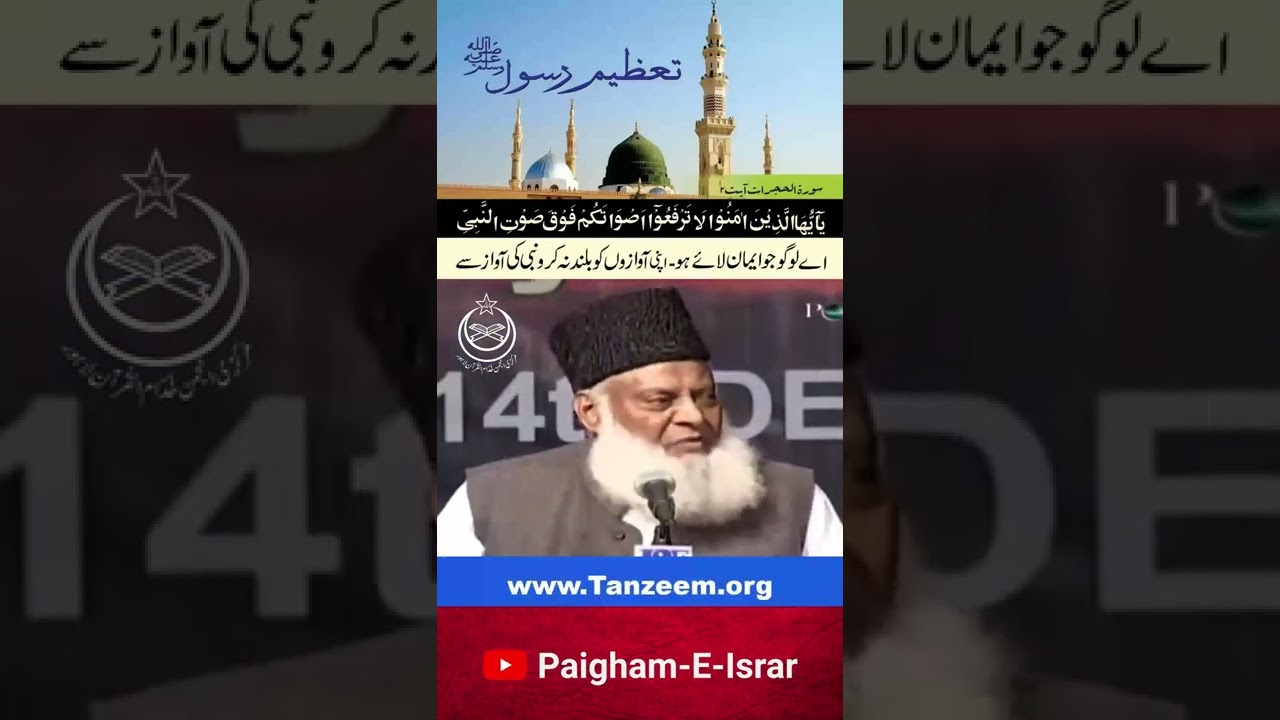
This lecture emphasizes the importance of respectful communication. It cautions against raising voices above the Prophet Muhammad’s, discourages boisterous or disrespectful dialogue, and warns that a lack of decorum can lead to the complete loss of influence and effectiveness, leaving one unaware of the damage caused. Maintaining respectful speech is crucial for preserving dignity and achieving positive outcomes in all interactions.
50
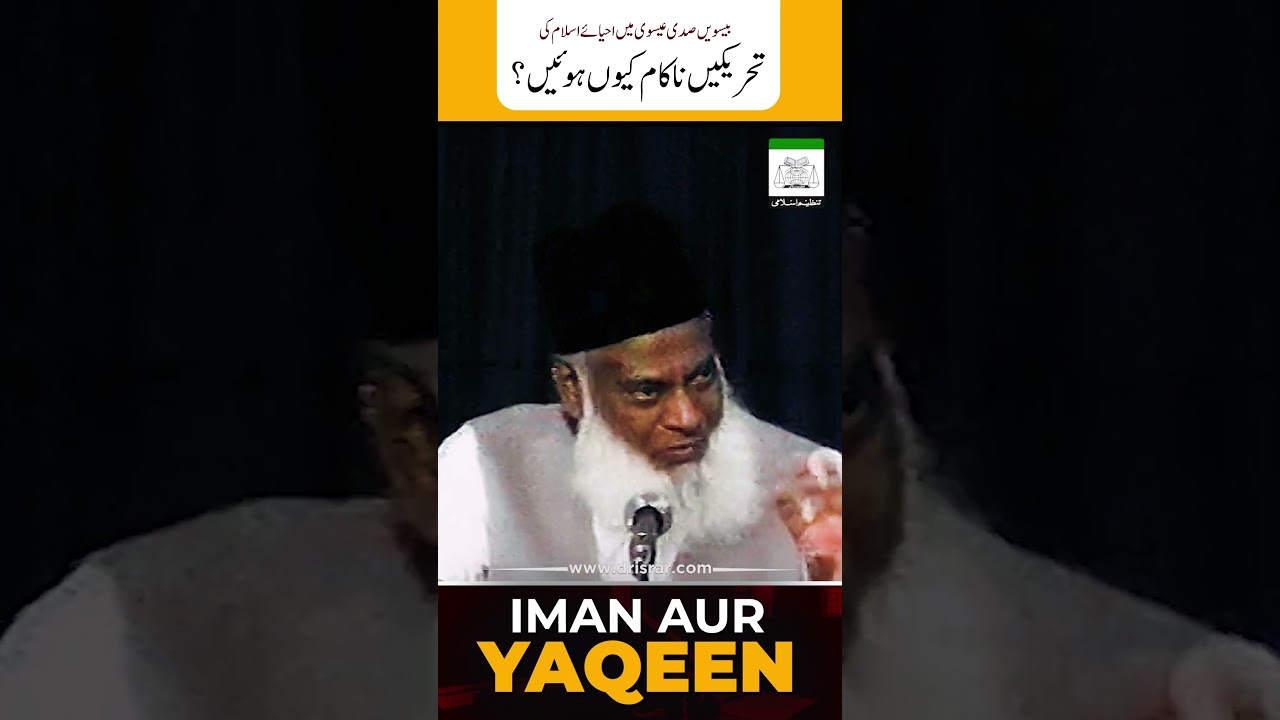
The 20th century witnessed numerous Islamic revivalist movements—such as the Muhammadiyah in Indonesia, Jamaat-e-Islami in the Indian subcontinent, Fidaiyan-e-Islam, and the Muslim Brotherhood in Egypt—all of which ultimately failed. A fundamental error underlying these failures was the assumption of inherent faith based solely on declaration. Simply professing belief in God and the Prophet is insufficient; true faith necessitates a deep-seated conviction that permeates the heart and illuminates the entire being. The heart, according to the Prophet Muhammad, is the core of the body; its health determines the well-being of the whole. Without a genuine connection to faith, one deceives themselves by merely claiming to be Muslim.
73
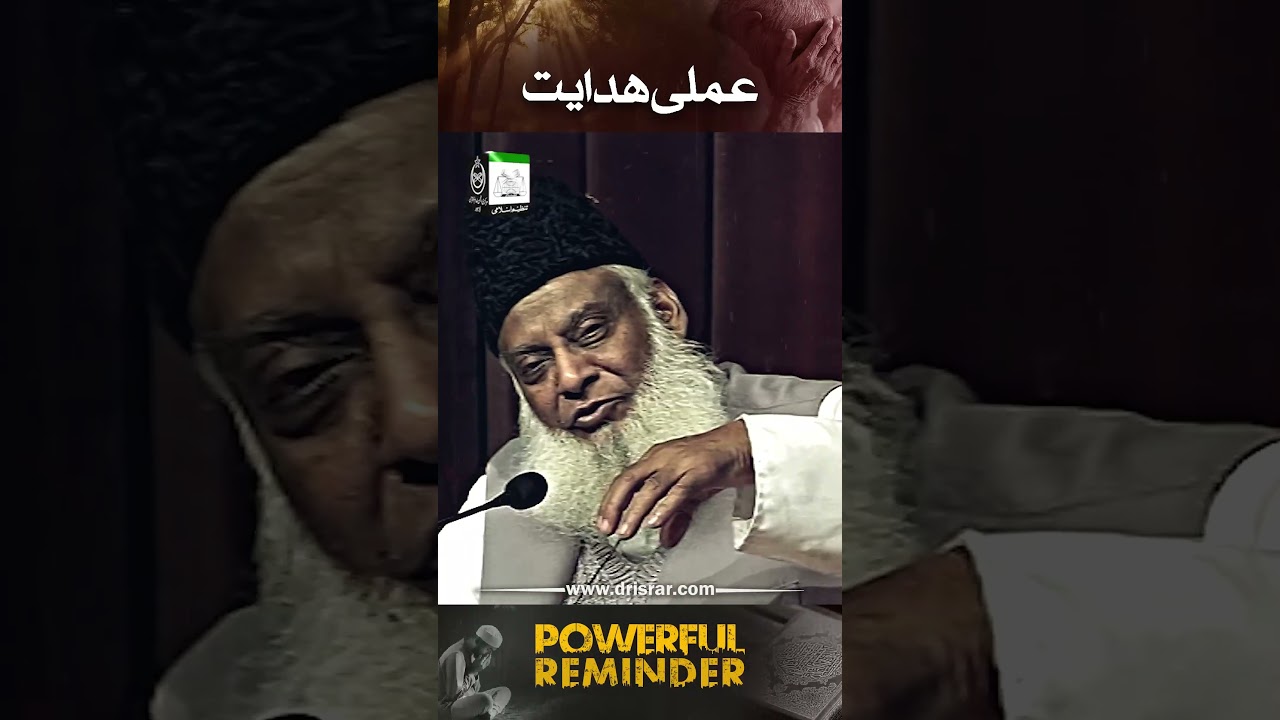
This lecture clarifies that humanity’s fundamental need is not material wealth or political power, but divine guidance. Humans are inherently equipped with the capacity to discern between right and wrong, good and evil, through the innate knowledge instilled within their souls. While individuals possess the ability to self-assess and find answers within their own hearts, external factors like forgetfulness, personal desires, and spiritual rust can obscure this innate knowledge. This lecture emphasizes the importance of seeking and maintaining a connection with this inner guidance.
40
