شارٹس
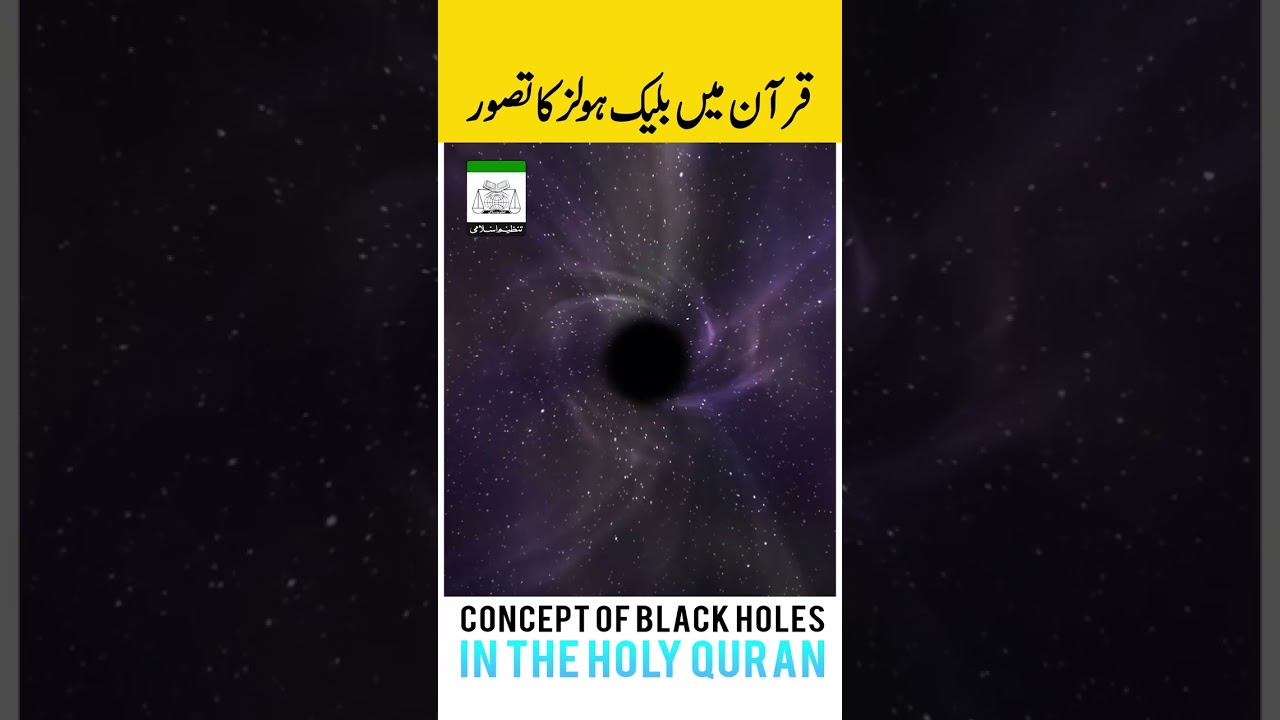
This lecture explores the astronomical significance of stars and galaxies, specifically addressing their eventual decline and disappearance. It posits that the setting of stars isn't merely a physical event but a profound cosmic process. The passage highlights the vastness of space and the eventual fate of even massive galaxies, suggesting a cyclical pattern of creation and destruction. It emphasizes the immensity of the universe and the eventual disappearance of galaxies, not just stars. This is a deep exploration of cosmic phenomena and their philosophical implications.

69
Human thought profoundly influences behavior, character, and deeds. Conversely, a person’s actions and character significantly shape their thinking. If knowledge and intellectual growth are not accompanied by corresponding action, a decline in character and thought can occur. A disconnect between intellectual understanding and practical application leads to stagnation and potentially a regression in personal development. Actions and character have a direct impact on one’s intellectual and spiritual progress.
56
The Quran repeatedly urges humanity to use reason and reflection. It presents a fundamental choice: to heed the wisdom of the Quran or to follow conjecture and baseless opinions. True knowledge stems from two sources: sensory perception and informed understanding. The lecture emphasizes the importance of verifying information and avoiding blind faith, urging listeners to critically evaluate claims before acceptance. It clarifies that reliance on speculation or unsubstantiated beliefs is unacceptable, as true guidance comes from validated knowledge obtained through reliable means.
46

Umar bin Abd Wud, a renowned Arab warrior and skilled horseman, challenged the Muslims during a siege. He fearlessly crossed the trench surrounding Medina, seeking a worthy opponent. Hazrat Ali (RA) stepped forward, offering Umar bin Abd Wud three opportunities to make a request before engaging in combat. Umar initially demanded the acceptance of Islam, then asked for safe passage, both of which Ali refused. Finally, Umar challenged Ali to a duel. Ali accepted, ultimately defeating and killing Umar bin Abd Wud, demonstrating courage and faith.
63

The Quran outlines four essential conditions for salvation: faith, righteous deeds, adherence to truth, and patience. These components form a complete prescription for spiritual well-being. Removing even one element invalidates the prescription, potentially leading to negative consequences instead of healing. Just as a patient cannot alter a doctor’s prescribed medication and expect positive results, one must fully embrace these four conditions to achieve salvation. These four elements constitute a complete prescription from God for spiritual healing and success.
53
This poem reflects on the cyclical nature of struggle and disappointment in pursuing a revolutionary purpose. It acknowledges the inevitability of setbacks and the potential for repeated failure, emphasizing the need for unwavering preparation and resilience. The speaker accepts that effort, even if ultimately unsuccessful, is a necessary part of striving for change. It stresses the importance of continuous preparation for future endeavors, even in the face of repeated defeats, and cautions against losing resolve or abandoning the pursuit of a greater goal. The poem speaks to the persistent hope for a better future despite the constant threat of ruin, and the need to nurture the seeds of change even in barren soil.
49
