Şort
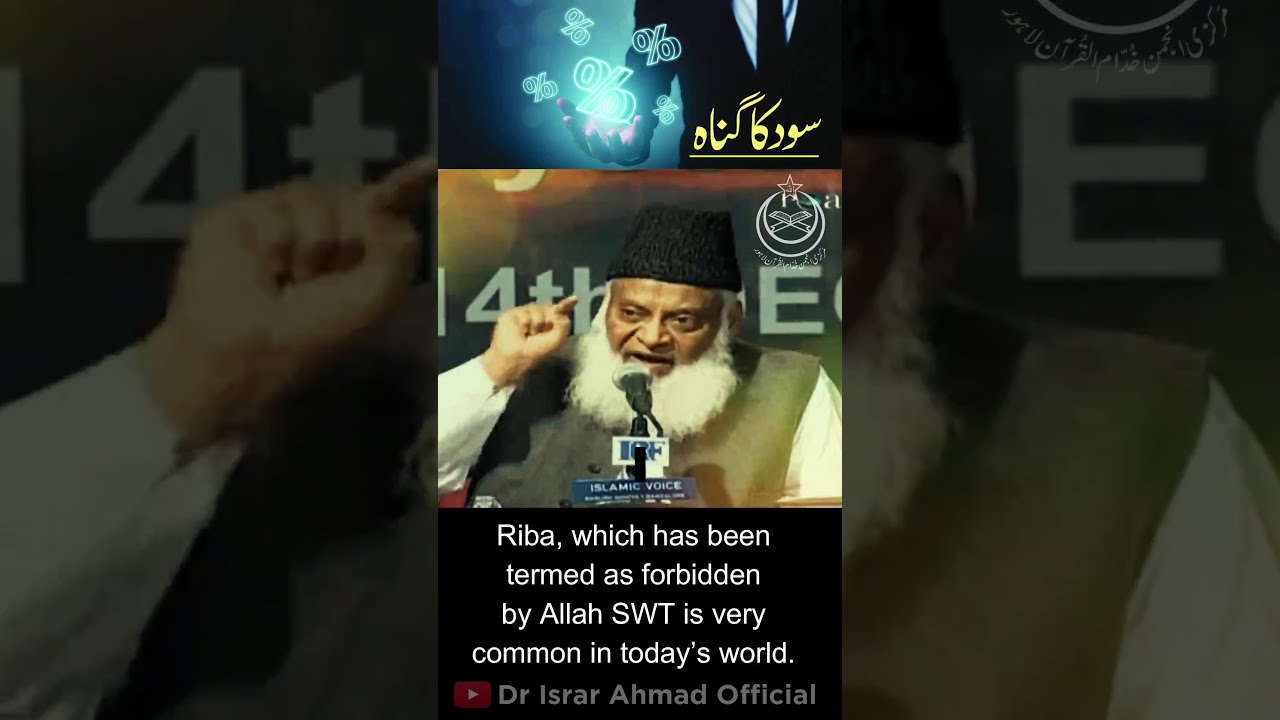
This lecture details the severe consequences of earning through unlawful means, emphasizing that interest (riba) is strictly forbidden in Islam. The speaker explains that persistent engagement in such practices leads to divine wrath and ultimately, eternal punishment in hellfire. The lecture highlights that even a single, sustained sin can envelop a person, leading to irreversible spiritual damage. It serves as a stark warning against making unlawful earning a regular part of one's life and encourages seeking halal (lawful) sources of income.

102
Science and technology are rapidly advancing. This lecture addresses the permissibility of utilizing advancements, distinguishing between those aligned with Islamic principles (Kitab o Sunnat) and those that are neutral. It emphasizes that progress benefiting humanity should be embraced, while innovations contradicting core Islamic values should be rejected. The lecture posits that human progress is a collective inheritance, not the property of any individual, and should be guided by ethical considerations rooted in faith. Neutral advancements, permissible within an Islamic framework, can be adopted and integrated into society.
82
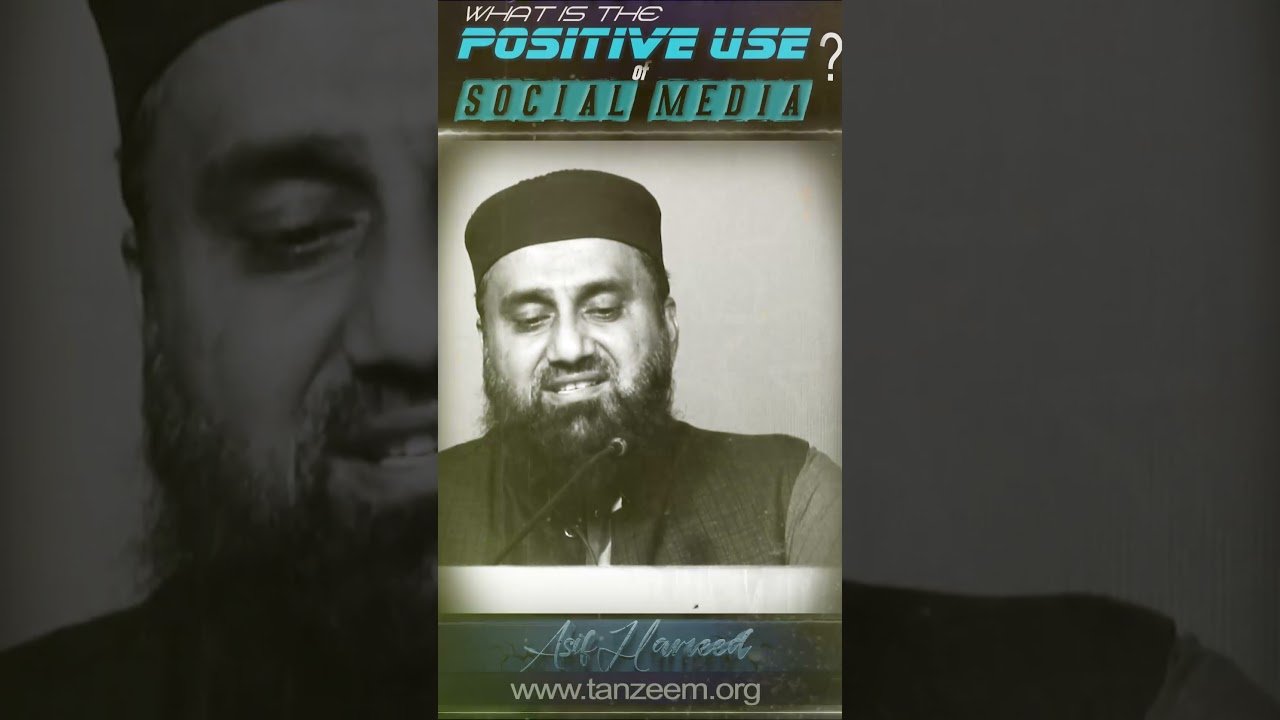
This lecture emphasizes the crucial role of social media in contemporary dawah and the propagation of Islamic thought, building on the legacy of Dr. Israr Ahmad. The speaker highlights the extensive digital archive of Dr. Ahmad’s content, now available across multiple platforms including YouTube (12 channels), Facebook (4 pages), Instagram (6 accounts), TikTok (2 accounts), Pinterest, SoundCloud, WhatsApp (3 channels), Telegram (2 channels), and dedicated websites. Viewers are encouraged to subscribe to these official channels to access authentic materials and actively share the content to broaden its reach. The speaker stresses the ease with which individuals can contribute to this dawah effort through simple actions like sharing content online, framing it as a continuation of the Prophet’s practice of utilizing available communication methods. The goal is to amplify the message of the Quran and strengthen the struggle for its implementation.
74

This lecture clarifies that sustenance, despite all effort—farming, labor, protection of harvest, and processing—is fundamentally a blessing from Allah. It emphasizes that while humans exert effort, the actual provision is divine grace, differing from merit-based reward. True reward (qasab) applies to actions judged by morality; good or evil. Sustenance, however, is a gift given without expectation of deserving it, highlighting its status as a divine blessing.
66
The lecture discusses the difference between reciting or listening to the Quran merely for information versus acting upon its teachings. The companions of the Prophet Muhammad (peace be upon him) immediately assessed their ability to fulfill the commands of each verse revealed. When the verse commanding adherence to *taqwa* (God-consciousness) was revealed, they questioned how anyone could fully fulfill God’s right to it. A subsequent verse clarified that individuals should strive to fulfill God’s commands to the best of their ability, recognizing the limitations of human capacity. The core message emphasizes sincere intention and striving within one's means.
65

This lecture discusses the transient nature of emotional turmoil and external influences. It emphasizes that intense feelings, like storms, eventually subside. Similarly, the impact of surroundings is temporary. The core message centers on the immediate necessity of repentance (toba) when one commits a wrong action due to heedlessness, passion, or environmental pressures. Genuine repentance, offered sincerely to God, leads to forgiveness. The speaker highlights that delaying repentance is unwise; sincere remorse erases sins. The lecture stresses that seeking forgiveness is a continuous process, particularly when succumbing to momentary weaknesses.
111
