Shorts

Pride, or *takabbur*, is presented as a grave sin in Islam, likened to attempting to strip a divine covering from God. This lecture explains that arrogance isolates individuals from divine grace, referencing a hadith stating that no one with even a speck of pride in their heart will enter Paradise. The act of removing someone’s shawl is described as a profound dishonor in Arab and Pashtun cultures, and pride is similarly presented as a transgression against God. It’s emphasized that God alone deserves such grandeur, and arrogance is a rejection of divine majesty. The lecture highlights that true humility is essential for spiritual growth and acceptance by God.

106
The Prophet Muhammad (peace be upon him) relayed a divine tradition: every act of worship benefits the individual, except fasting. Fasting is exclusively for God, and He alone will reward it directly. This emphasizes the unique nature of fasting as an act of devotion solely directed towards God, differing from other acts of worship where benefits are also reaped by the worshipper. It highlights the direct connection between the fasting person and God, and the certainty of divine recompense. The core message focuses on revitalizing the human spirit and strengthening its connection with the Divine.
51

This lecture emphasizes the importance of witnesses in both immediate and future transactions, particularly for significant purchases like property. Establishing proof through witnesses avoids disputes and ensures the validity of agreements. The speaker highlights that witnessing a transaction provides legal security and is essential for any substantial deal, safeguarding both parties involved. It’s a crucial step for long-term financial and legal stability.
59

This lecture clarifies the purpose of fasting during Ramadan, emphasizing Allah’s desire for ease, not hardship. It addresses a rigid interpretation of religious obligations, specifically concerning fasting while traveling or during illness. The speaker explains that imposing unnecessary strictness upon oneself contradicts the spirit of Islam, which aims to alleviate burdens. True piety lies in understanding the intent behind religious practices and prioritizing ease and accessibility, mirroring the Prophet’s teachings to create facilitation, not difficulty. The lecture cautions against extremism and encourages a balanced approach to faith, focusing on the core principles of Islam rather than superficial adherence to rituals.
77
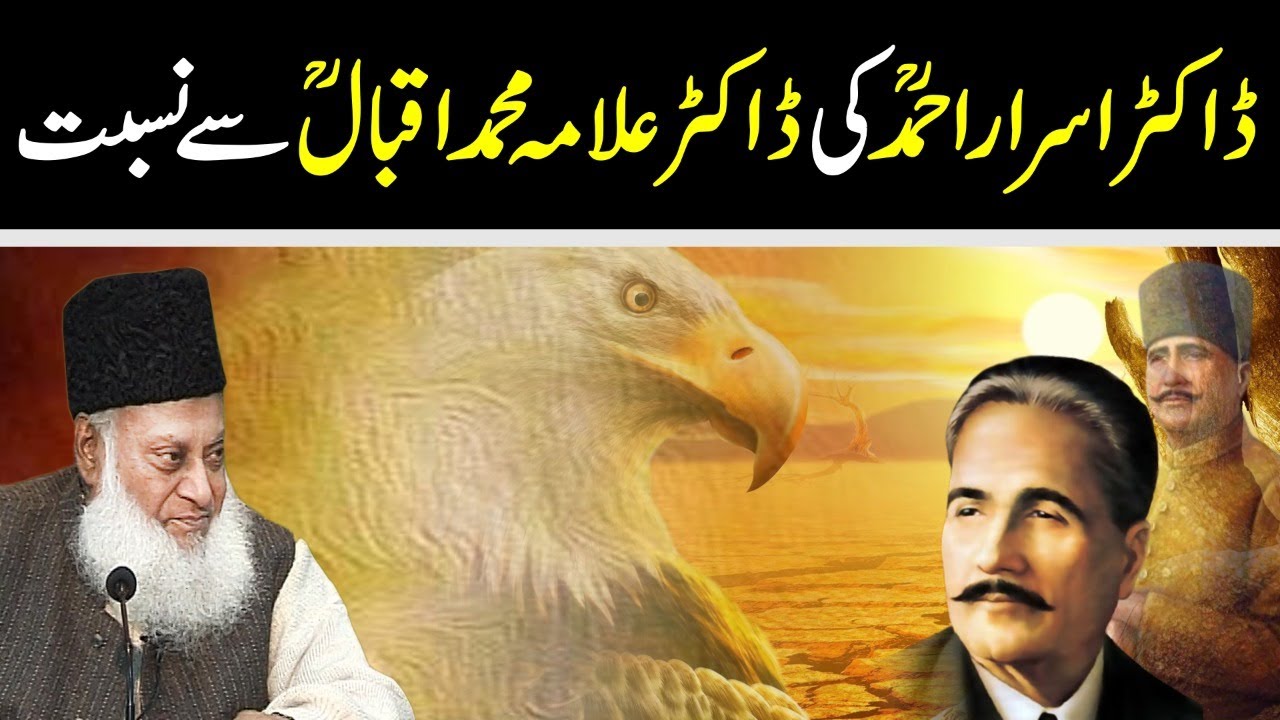
Dr. Israr Ahmad discusses Allama Iqbal’s vision for the Muslim Ummah, his early exposure to Islamic teachings, and the connection between his poetry and the Quran. He details the establishment of an organization fulfilling Iqbal’s dream of combining Quranic study with modern education, and the principles behind the founding of an organization dedicated to practicing Muslims committed to Quranic principles. He also explains the reasons behind the failure of the establishment of Jamaat-e-Islami and the founding of Tanzeem-e-Islami. Dr. Ahmad emphasizes the importance of prioritizing faith and practice over political engagement and adhering to a system based on commitment rather than elections. He shares his personal connection with Iqbal’s legacy and his commitment to continuing his work.
89
This lecture addresses the question of accountability for unintentional involvement with interest (riba). It clarifies that if someone unknowingly consumes something containing interest, they are not exempt from sin. However, the speaker proposes that sincere effort dedicated to establishing and strengthening religious practice can serve as expiation. The analogy of involuntary inhalation of dust is drawn; just as one cleanses their lungs, striving for faith cleanses the soul. The lecture emphasizes that consistent, dedicated work for the cause of religion is a valid form of atonement for unintentional transgressions.
62
