Corti
This lecture explores the meaning of ‘Akbar’ as revealed in the initial verses concerning the prophethood. It emphasizes rising above complacency and recognizing the grandeur of God. The verses urge individuals to abandon their comfort and embrace a life dedicated to proclaiming the truth of resurrection and divine greatness. The core message centers on acknowledging God’s supremacy, establishing a system that reflects that greatness, and actively conveying this message to others. The lecture calls for a complete submission to God and a life lived in recognition of His power and majesty.

59
Human life is a constant series of choices. At every moment, individuals face a crossroads, deciding between worldly gain and divine guidance. This perpetual decision-making process defines our values and priorities. Each step involves prioritizing some things over others, a continuous evaluation of what we hold most dear. The choice between immediate profit and long-term spiritual well-being, between embracing corruption or adhering to ethical principles, shapes our destiny. This lecture explores the fundamental nature of these choices and their impact on our lives.
64
This lecture explores the dual nature of knowledge: revealed guidance and knowledge acquired through human senses and intellect. It emphasizes the responsibility of utilizing these faculties to understand the universe, analyze phenomena, and draw conclusions. The speaker highlights the importance of observation, rational thought, and the pursuit of truth through both spiritual insight and scientific inquiry. The lecture stresses that humanity has been gifted with senses, perception, and intellect and will be held accountable for their proper use in unraveling the mysteries of existence and applying that knowledge for betterment.
95
The core demand of faith is singular and absolute. Fulfilling this single requirement guarantees salvation, success, guidance, and ultimate happiness. This lecture emphasizes the simplicity and completeness of this divine demand, highlighting its all-encompassing nature and its connection to achieving true fulfillment in life. It underscores that adherence to this single principle unlocks all blessings and leads to a meaningful existence.
97
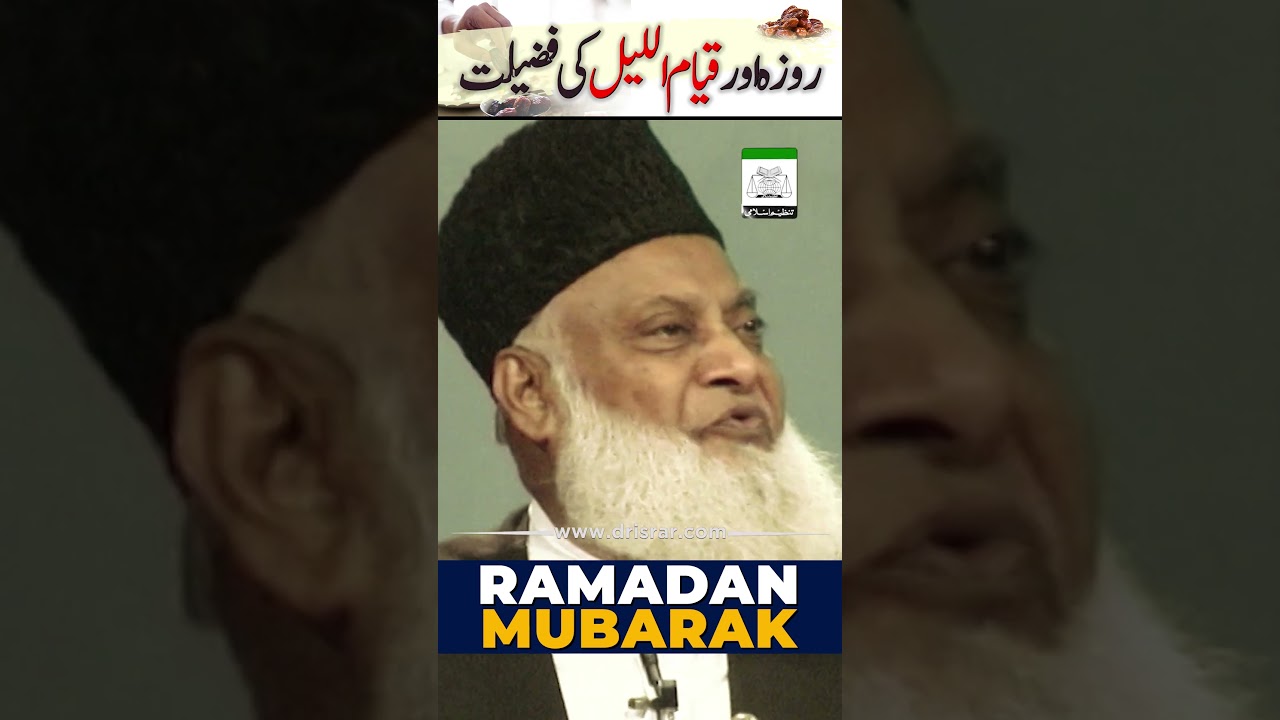
This lecture discusses the two central acts of worship in Ramadan: fasting during the day and standing in prayer (Tahajjud) at night. Fasting is obligatory, while Tahajjud, although highly encouraged and rewarded, is not compulsory. The speaker explains that while the Prophet Muhammad (peace be upon him) observed Tahajjud as a regular practice akin to an obligation, it remains optional for the general Muslim population. Those who perform Tahajjud will receive a high status with Allah. The emphasis is on voluntary devotion and the blessings within Ramadan’s nights.
72
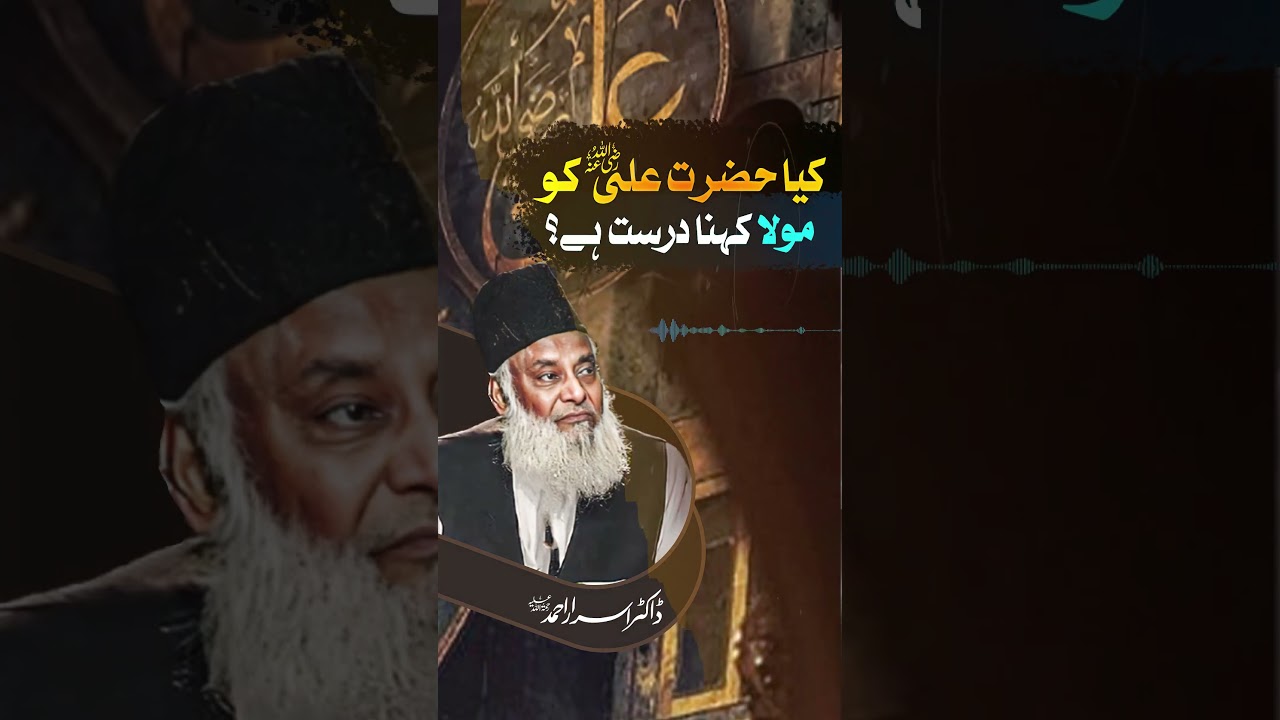
This lecture clarifies the varying interpretations of the term “Moula” (master/lord) in relation to Hazrat Ali. It explains that while using the term is not inherently problematic, some interpretations, particularly within Shia Islam, elevate Hazrat Ali to a status exceeding his role as a companion and leader. The speaker emphasizes that attributing problem-solving solely to Hazrat Ali is inaccurate, as he himself faced difficulties and unresolved conflicts during his life. The lecture cautions against exaggeration and excessive devotion, highlighting that true power and resolution reside with Allah alone. The discussion focuses on understanding the correct reverence for historical figures within an Islamic framework.
78
