Shorts
The Quran was not revealed all at once, but gradually over a period of time. This approach served multiple purposes. It allowed people to comprehend and internalize the teachings progressively, fostering deeper understanding and personal transformation. The gradual revelation accommodated the capacity of the audience, ensuring they could reflect upon and integrate the message into their lives. This method facilitated a lasting impact on their intellect, mindset, and overall character. The Quranic verse (Surah Bani Israel 106) explicitly states this intentional fragmentation to aid in recitation and comprehension.

40
Dr. Israr Ahmad discusses the remarkable correspondence between the Quran and modern scientific discoveries, specifically in the field of embryology. He recounts the story of a French surgeon, Maurice Bucaille, who, after being treated by King Faisal of Saudi Arabia, was presented with the Quran. Bucaille learned Arabic, studied the Quran, and ultimately wrote a book confirming that no scientific fact within the Quran had been proven false. He acknowledged that science may not yet have fully understood all of the Quran’s truths, but that no established scientific principle contradicts its teachings.
44
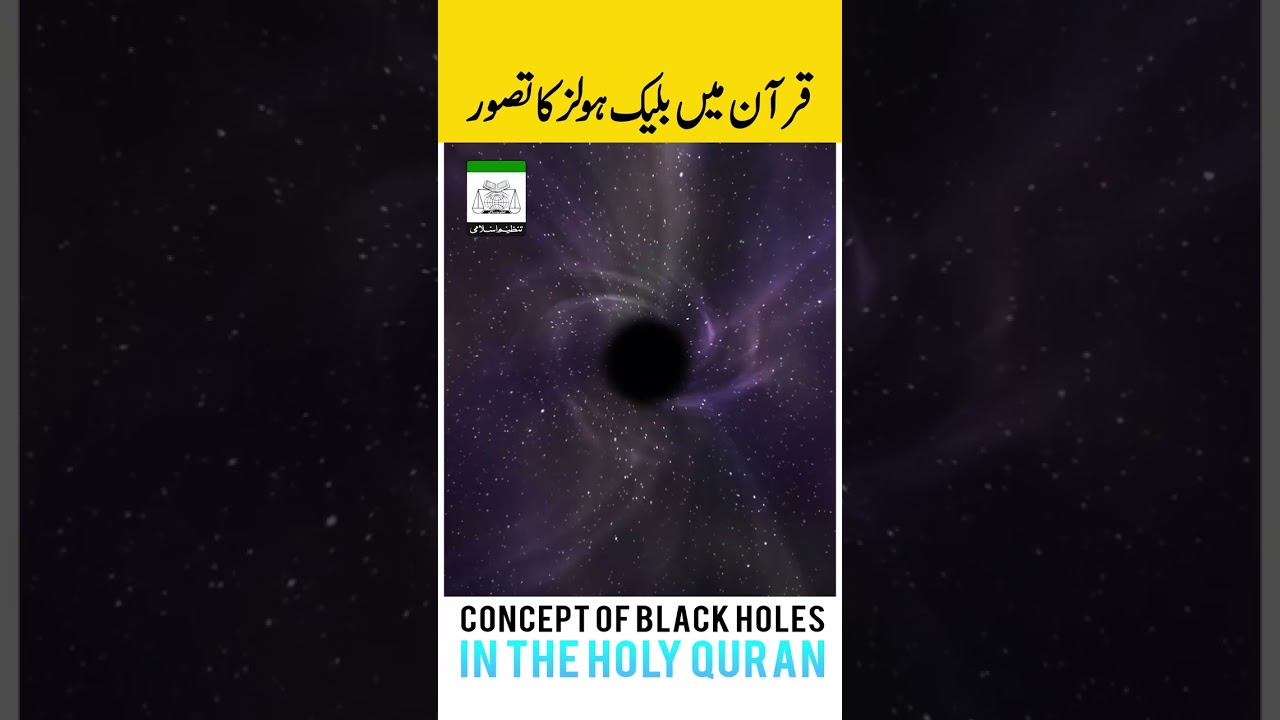
This lecture explores the astronomical significance of stars and galaxies, specifically addressing their eventual decline and disappearance. It posits that the setting of stars isn't merely a physical event but a profound cosmic process. The passage highlights the vastness of space and the eventual fate of even massive galaxies, suggesting a cyclical pattern of creation and destruction. It emphasizes the immensity of the universe and the eventual disappearance of galaxies, not just stars. This is a deep exploration of cosmic phenomena and their philosophical implications.
67
Dr. Israr Ahmad argues against giving money to professional beggars, stating it perpetuates a harmful system and discourages genuine charity. He emphasizes identifying and directly supporting those truly in need within one’s community, advocating for delivering aid to their homes rather than enabling begging. He asserts that supporting beggars inadvertently funds an institution of exploitation and makes those who do so complicit in a societal ill. True charity, he explains, involves identifying genuine need and providing direct assistance.
44
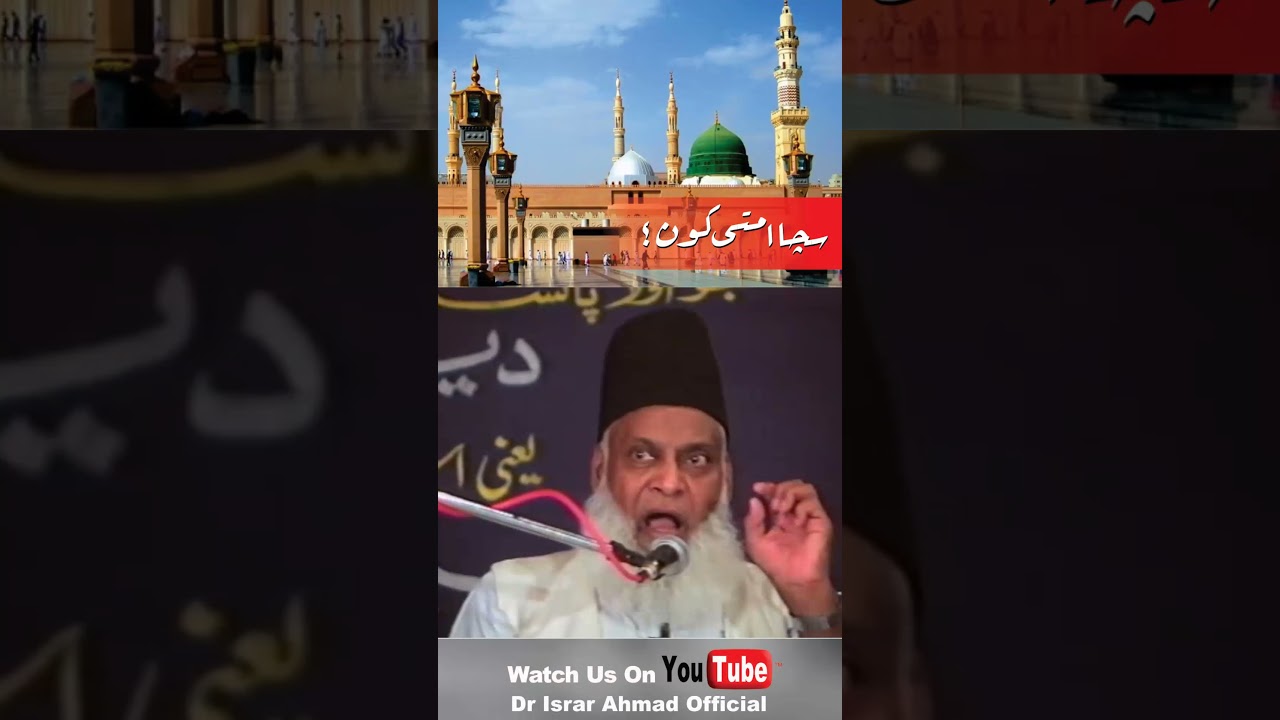
This lecture addresses the current global turmoil as a symptom of a deeper longing for the guidance embodied by the teachings of Muhammad. It emphasizes the need for Muslims to actively work towards fulfilling the objectives of the Prophet’s mission, focusing on spiritual and practical reformation. The speaker highlights that true progress for the Muslim community lies in returning to the principles and practices established at the beginning of Islam, prioritizing faith, devotion, and righteous living. The lecture warns against violent extremism and advocates for peaceful, constructive engagement in society. It emphasizes that reformation must stem from a genuine understanding and implementation of Islamic teachings.
49
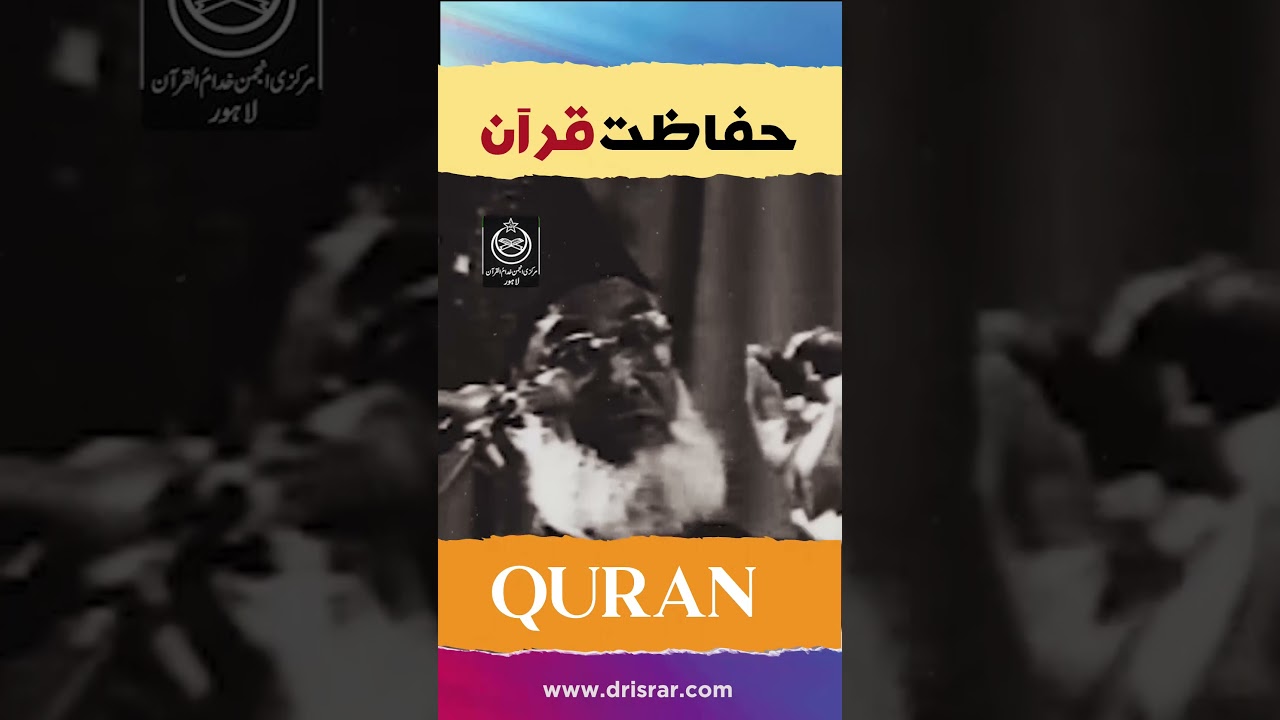
The Quran is unique among scriptures in its completely preserved text. Unlike other religious texts, the Quran's original form has been consistently maintained and memorized by generations of Muslims worldwide. This preservation isn't limited to written copies; a vast community of *huffaz* (memorizers) actively maintain the text through oral tradition, with even young children capable of correcting scholars. This consistent, multi-generational safeguarding represents a fundamental aspect of the Quran's significance, acknowledged even by those who do not believe in its divine origin. The Quran's textual integrity stands as an unparalleled phenomenon among religious books.
58
