Corti
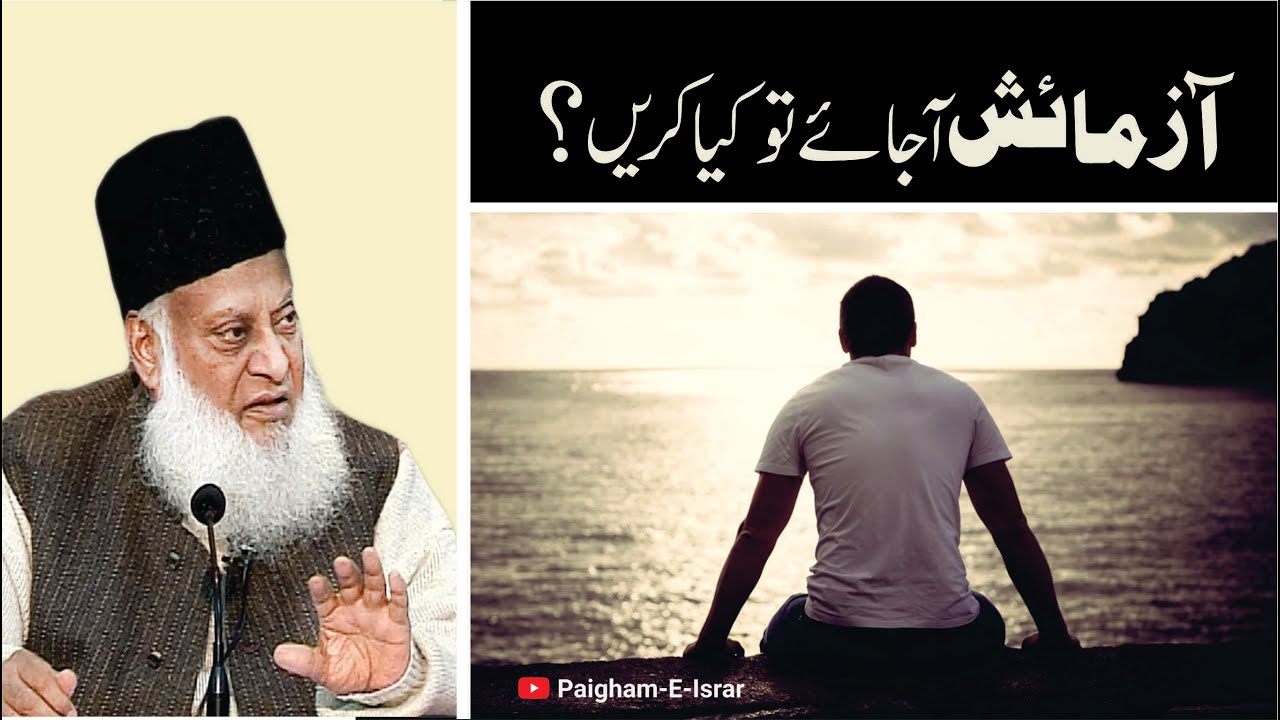
Dr. Israr Ahmad explains that all trials and tribulations, whether on a large scale like natural disasters or personal misfortunes, are part of Allah’s preordained plan, recorded in His knowledge. He emphasizes that nothing happens by chance; everything occurs with Allah’s permission and is within His complete knowledge of past, present, and future. Acceptance of this truth, rather than grief or blame, is the key to peace and resilience. The speaker illustrates this with the story of a Sufi saint who accepted being struck by a stone as a decree from Allah. True understanding means recognizing Allah’s hand in all events and trusting in His wisdom, even when experiencing hardship.

90

This lecture emphasizes unwavering faith in Allah's support and power. It asserts that no harm can befall a believer except what is decreed by Allah, and no benefit can be achieved without His will. The core message is that true peace and security come from complete reliance on Allah, knowing He is always present and capable of overcoming all obstacles. The speaker highlights that collective human efforts cannot alter Allah’s plan, reinforcing the importance of trusting in His divine decree and finding strength in His companionship.
48

Prioritizing the purification of the heart is essential, though physical cleanliness is also necessary. Maintaining a beard is a strongly recommended tradition of the Prophet Muhammad, peace be upon him, not an obligation. While adhering to religious practices is important, genuine intention and a pure heart are paramount. Following the Prophet’s commands, even in seemingly minor matters, benefits one’s spiritual and worldly life. A clean heart and sincere intentions are foundational to a meaningful life.
57
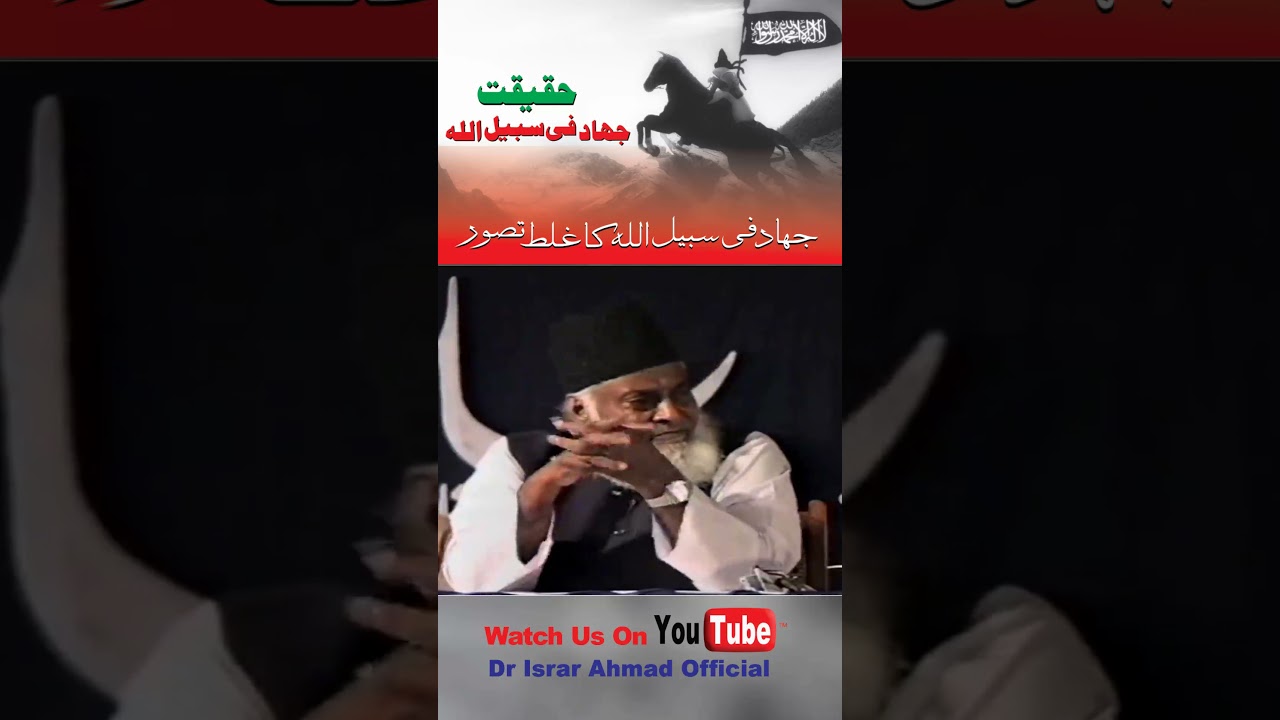
This lecture clarifies the true meaning of Jehad in Islam, dismissing its misuse for worldly gains like expanding empires, collecting wealth, or personal ambition. It emphasizes that genuine Jehad is solely for establishing the supremacy of God’s word and implementing a just Islamic system. Any other intention negates the sincerity of the act. The speaker refutes the notion that fighting for tribal feuds, personal bravery, or material benefits qualifies as Jehad. True Jehad aims to elevate God’s message and establish a righteous governance, making it a purely devotional act.
52
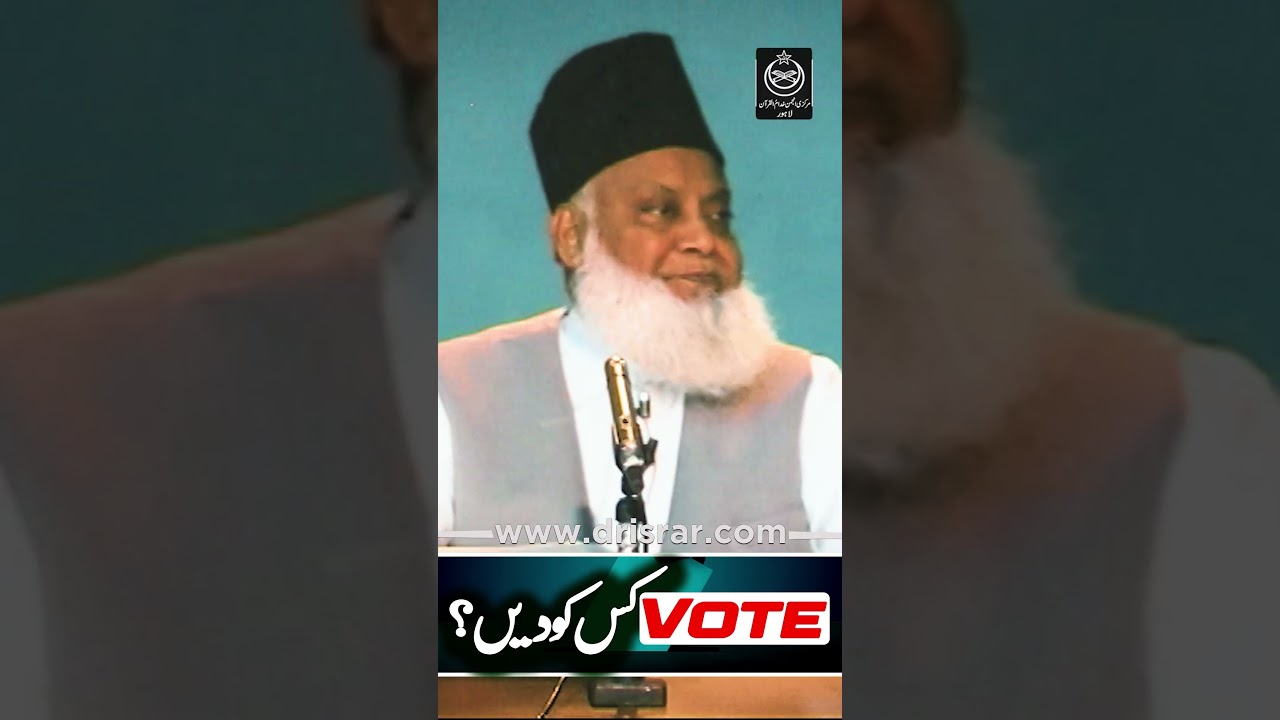
This lecture emphasizes that voting is an act of entrusting responsibility, akin to appointing a trustworthy advisor. Voters should prioritize competence, integrity, and suitability when selecting representatives at all levels—from local officials to national leaders. The speaker cautions against prioritizing personal connections, nepotism, or self-interest. The selection process must ensure that chosen individuals are truly capable of serving the nation, community, and wider collective, upholding principles of justice and competence in governance. The ultimate goal is to establish an organization built on merit and dedicated to selfless service.
48
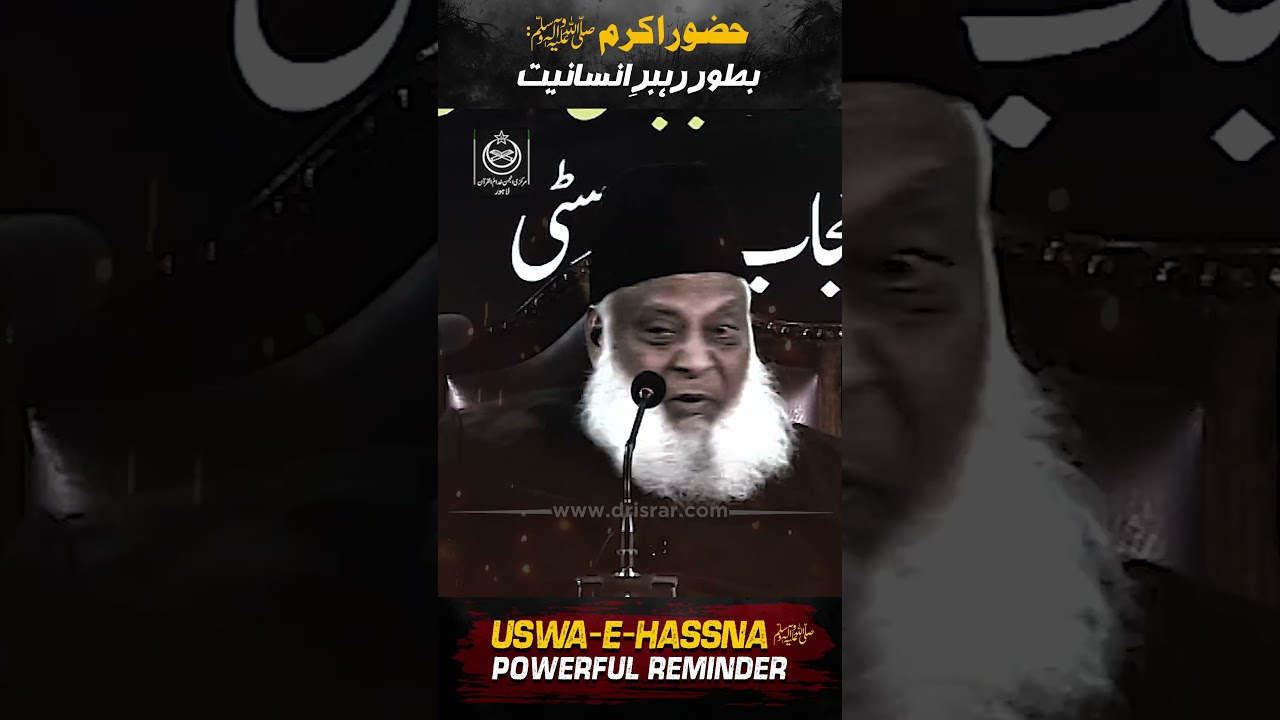
Dr. Israr Ahmad discusses the comprehensive nature of Prophet Muhammad’s personality, highlighting his multifaceted roles as a ruler, leader, judge, husband, father, and spiritual guide. He contrasts this with the limitations of modern religious leaders who often struggle to fulfill even basic duties like leading five daily prayers consistently. The lecture emphasizes that the Prophet Muhammad embodied all these roles flawlessly, serving as a complete example for believers. The speaker points out a disconnect in modern religious practice, where individuals dedicated to self-purification often avoid leading congregational prayers.
51
