Shorts
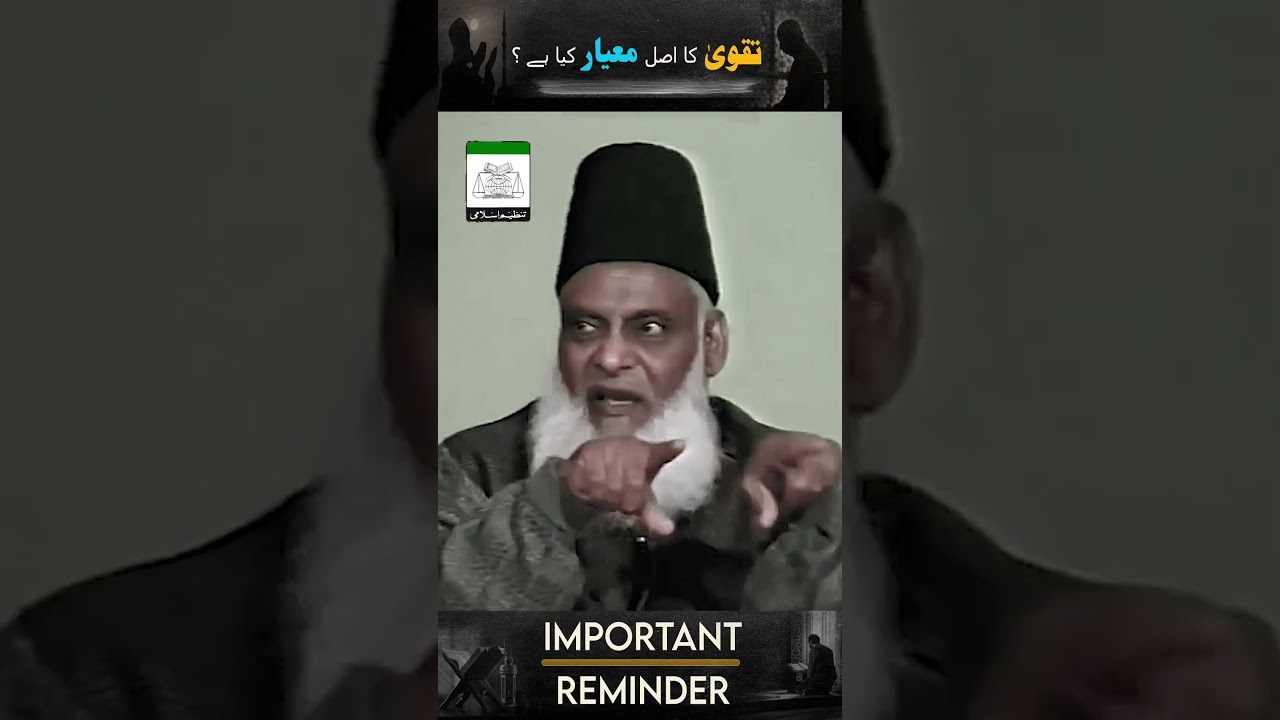
The lecture defines true piety (taqwa) as being fundamentally rooted in earning a lawful livelihood. Outward displays of religious observance – such as beard length, clothing style, or the performance of numerous prayers and vigil prayers – are meaningless if accompanied by the consumption of unlawful earnings. Any acts of worship performed with illegally obtained wealth are rendered null and void. The core test of piety lies in the purity of one's source of income.

44

This lecture discusses the significance of sacrifice, specifically the practice of offering animals during Eid al-Adha. It explains that sacrifice is a universal practice ordained by God for every community throughout history. The discussion highlights the historical context of animal sacrifice, particularly the use of camels in Arab culture, and connects this practice to a deeper spiritual relationship with God. The act of sacrifice, whether a camel, goat, or other animal, serves as a symbolic offering and a demonstration of devotion, ultimately bringing blessings and goodness to the believer.
62
This reflection acknowledges the inevitability of setbacks and failures in life's endeavors. It encourages proactive preparation for hardship, framing success as a bonus rather than an expectation. The core message emphasizes continuous effort and resilience, even in the face of repeated disappointments. It advocates for persistent work, nurturing hope, and seeking divine assistance, recognizing that struggle is a constant companion to growth and progress. The text urges acceptance of life's cycles, suggesting that after every loss, preparation for the next beginning is essential.
48
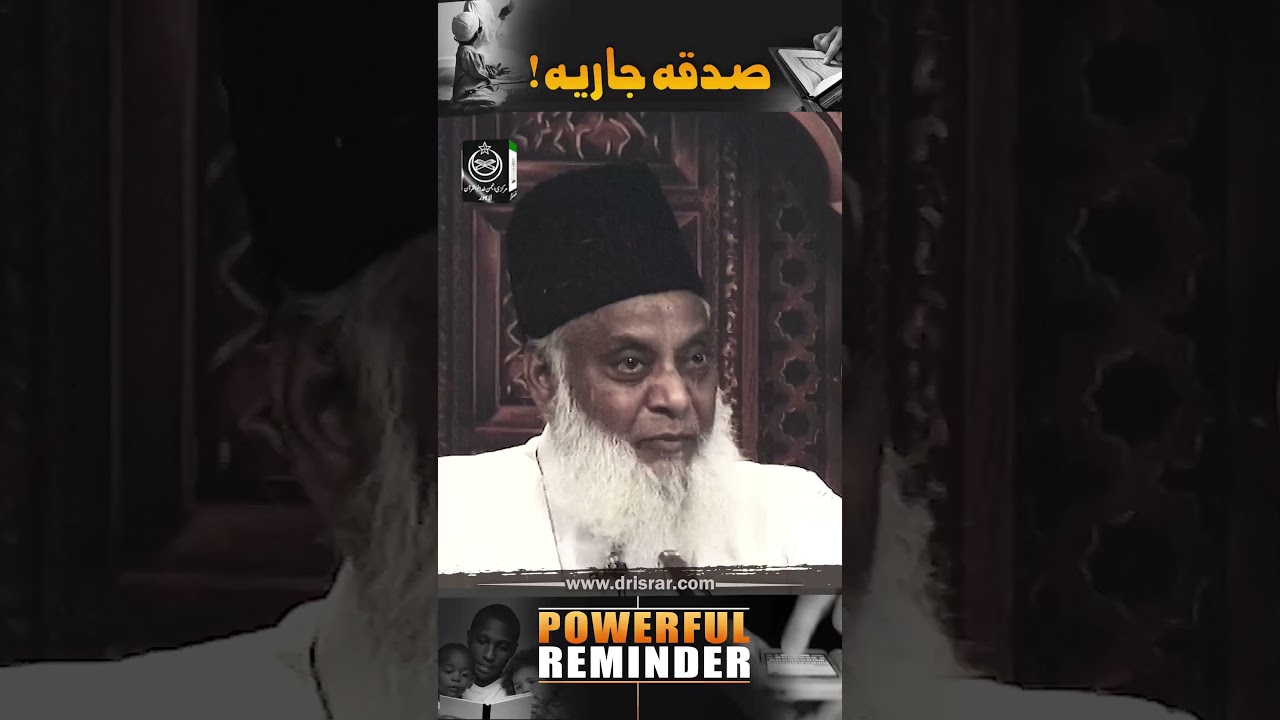
This lecture explores the lasting consequences of our actions, both good and bad, extending beyond our lifetime. It emphasizes that righteous offspring benefit society and contribute to ongoing religious service, while poorly raised children spread negativity, for which we are accountable. All deeds, visible and hidden, are known to God, and ultimately, all matters return to Him. The speaker highlights that the effects of our actions continue even after death, impacting future generations and our ultimate reckoning.
48

This supplication, recited by Prophet Moses (peace be upon him), seeks divine assistance in fulfilling the challenging task of delivering a message. It requests an expansion of the heart, facilitation of affairs, and removal of speech impediments. The prayer emphasizes the importance of clear communication to ensure the message is understood by all. This dua is essential for anyone involved in da’wah or conveying a message, as it addresses the core need for effective and understandable articulation.
42

True faith necessitates prioritizing devotion to God above all else, even familial bonds. This lecture explores the conditions for attaining genuine faith, emphasizing that complete obedience to God is a continuous struggle against internal desires and external temptations. Four fundamental acts of worship are presented as pillars supporting a life of sincerity and devotion. The lecture stresses the difficulty of this pursuit, acknowledging the influence of the self and the constant efforts needed to overcome worldly inclinations. Genuine worship demands a wholehearted commitment, transcending mere ritualistic observance.
56
