شارٹس
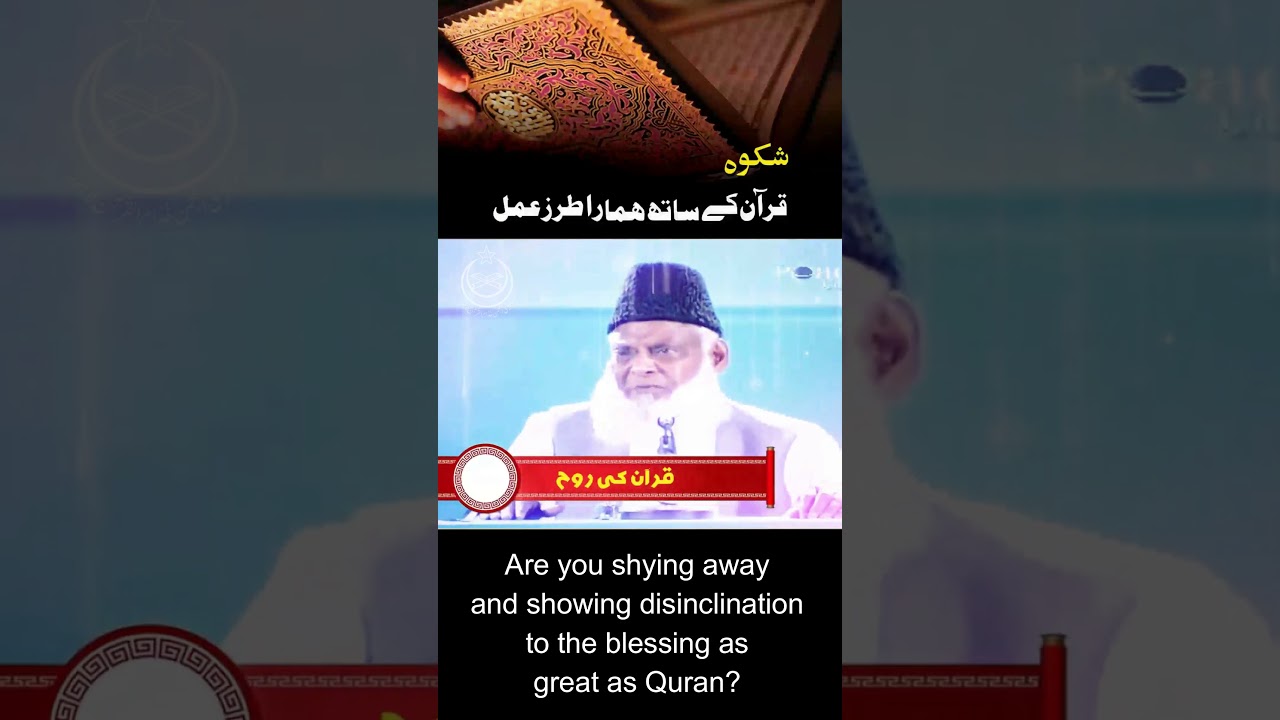
This lecture emphasizes that genuine access to the essence of the Quran is only possible through self-purification. The speaker highlights a lament about humanity’s disregard for this immense blessing – neglecting to read, understand, implement, or make the Quran a guiding principle in life. Instead, many actively reject it, shaping their own unfortunate destiny through denial. The core message is a call to prioritize internal purification to unlock the true meaning and benefits of divine revelation.

107

The Quran was revealed over a period of twenty-two years, equivalent to approximately 610-632 CE. The initial revelations were short verses, with many of the shortest surahs appearing first. The revelation occurred gradually, piece by piece. The commonly stated twenty-three-year period refers to the lunar calendar, while modern understanding often relies on the solar calendar.
68

The Quran is presented as the primary miracle of the Prophet Muhammad (peace be upon him). Its greatest miracle in the modern world is its demonstrated ability to instigate a monumental revolution in human history, establishing a just system. This entire process operates through the message of the Quran, emphasizing its role as the foundation of transformative change and a call to action through its teachings.
333

This lecture explores the transient and deceptive nature of worldly life, emphasizing its value as a field for cultivating rewards for the afterlife. It highlights the importance of remaining detached from worldly allurements and focusing on spiritual growth. True success lies not in accumulating worldly possessions but in preparing for the eternal realm. The speaker cautions against becoming lost in the superficialities of life, urging listeners to maintain a perspective of detachment, acting as travelers rather than settlers. Worldly life is valuable insofar as it allows one to earn provisions for the Hereafter; becoming engrossed in its distractions leads to ruin. The key to a balanced life is to engage with the world without becoming attached to it, recognizing its temporary nature and prioritizing eternal values.
62

Muslims gather five times daily for prayer behind an Imam, and weekly at a central mosque. Twice yearly, large congregations assemble in open fields for Eid prayers. Annually, Muslims from across the globe, representing all schools of thought, converge for Hajj. This organization centers around prayer and pilgrimage, solidifying a connection with God. Daily routines can distract from faith; prayer serves as a vital link. The verse by Iqbal highlights that a believer is lost *in* God, while a non-believer is lost *to* the world.
53
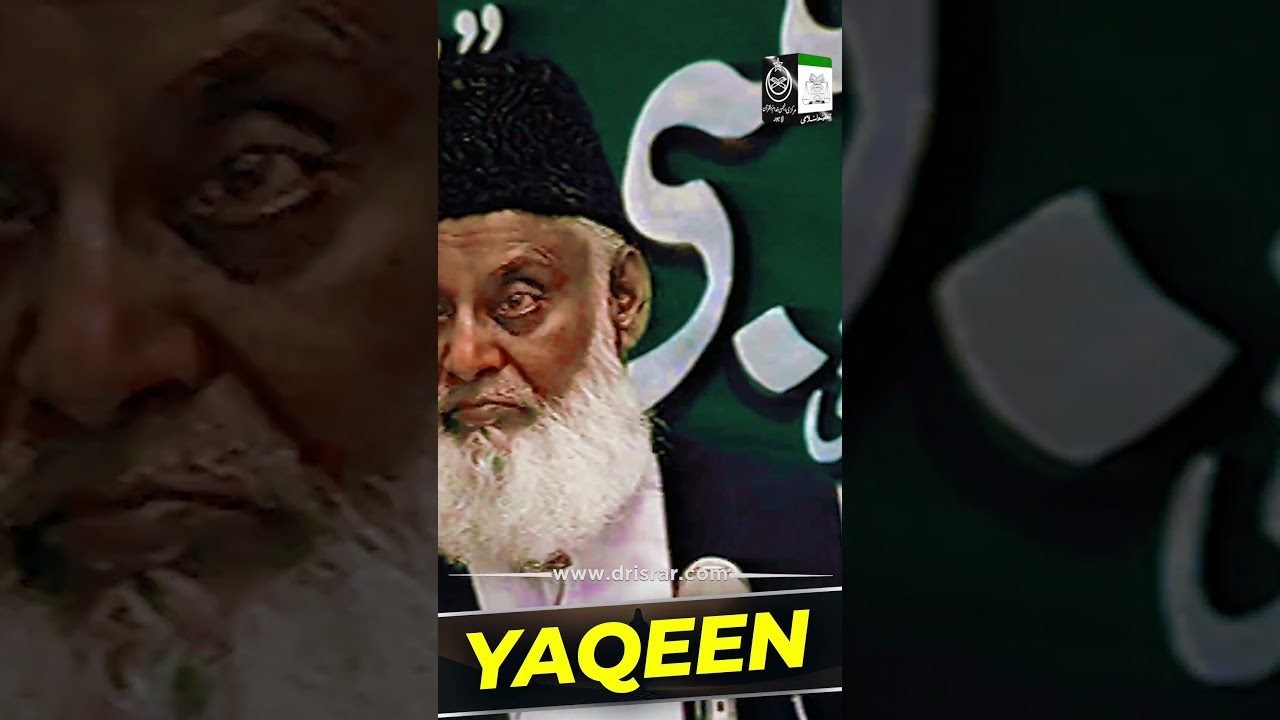
True faith is a profound attribute, but it requires cultivation. Its source and foundation lie within the Quran. Genuine faith isn't acquired through philosophical debate or intellectual reasoning, but through deep contemplation and immersion in the Quran. The Quran unlocks the heart's potential, revealing truths to those who reflect upon its verses. Deliberate study and thoughtful engagement with the Quran are essential for fostering conviction and illuminating the path to spiritual understanding. This process unlocks the heart and strengthens belief.
59
